
Fresh Chinese Noodles: Types, Cooking Times and Storage
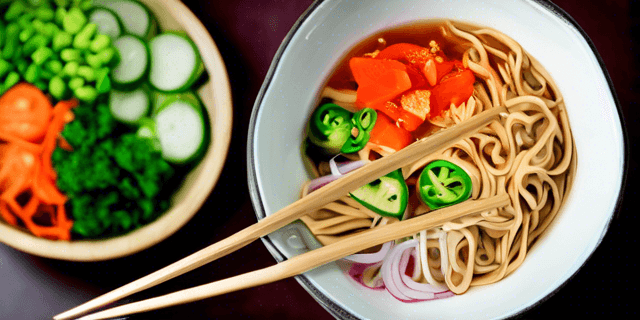
Fresh Chinese noodles are wheat or rice noodles sold chilled and ready to cook in a few minutes. They bite back more than dried noodles and soak up sauce well, but they need fridge space and a short date, so they suit kitchens with steady turnover.
Which fresh noodle goes with which dish
Egg noodles are the workhorse. Thin ones go into wonton soup, thicker ones into lo mein and chow mein. They hold their shape in a hot wok and take on soy sauce, garlic and oyster sauce without going soft.
Plain wheat noodles, cut or pulled by hand, are wider and chewier. Think Lanzhou beef noodle soup, or dan dan noodles from Sichuan, which pair minced pork with chilli oil and peanuts. Rice noodles do a different job. They are softer and lighter, and the usual pick for gluten free orders, though you should check the pack and your own prep for cross contact.
A rough rule: the richer the sauce, the thicker the noodle. Light broths want thin noodles that do not crowd the bowl.
Cooking them without a sticky mess
Use a big pot of boiling water and loosen the noodles as they go in. Fresh noodles cook in a few minutes, so taste a strand early and keep tasting. Drain well. Rinse in cold water only for cold dishes or when you are holding them for later. For a stir-fry, toss them straight from the colander with a little oil so they do not weld together.
Over-boiling is the usual fault. Pull them just short of done if they are heading into a wok, since they cook on a little more in the sauce.
Storage and food safety
Fresh noodles live in the fridge. In England, Wales and Northern Ireland, cold food must be kept at 8°C or below by law, and the Food Standards Agency advises 5°C or below. Check the temperature on delivery, put chilled stock away at once and follow the use-by date on the pack. Cool cooked noodles fast before they go back in the chiller.
If chiller space is tight, dried noodles keep far longer on a shelf and need only a pot of hot water. Many kitchens run both: fresh for the dishes where texture sells the plate, dried for the rest. Our post on canned versus fresh ingredients applies the same thinking to other staples.
Allergens to put on the menu
Egg noodles contain two of the 14 allergens UK food businesses must declare: cereals containing gluten, and egg. Rice noodles are made without wheat, but a shared pot or colander changes the picture. Serve noodles with soy sauce and you add soya, and usually wheat, as well.
Where the noodle came from
In 2005, researchers reported a bowl of noodles about 4,000 years old from the Lajia site in north west China, made from millet. Some scientists have questioned the millet finding since, but the earliest written record of noodles, from the Eastern Han period, is not in doubt.
Buying noodles for a kitchen or shop
Tiger Tiger's noodles range covers udon, soba, ramen, egg noodles, pad thai rice noodles and rice vermicelli, sold by the case to restaurants, takeaways and Asian grocers. For cooking notes on specific types, read our posts on rice noodles and Japanese noodles, or the guide to the full noodle range. To order, fill in the trade register.