Read news, blogs and latest articles from Tiger Tiger Foods
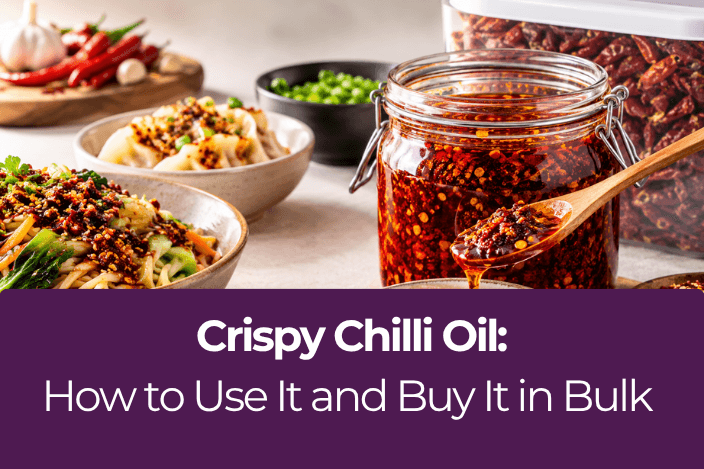
Crispy Chilli Oil: How to Use It and Buy It in Bulk
Crispy Chilli Oil: How to Use It and Buy It in Bulk
What is crispy chilli oil and what do you use it on?Crispy chilli oil is hot oil poured over dried chilli, garlic and other aromatics, so you get a spicy oil with crunchy bits in the jar. Spoon it over dumplings, noodles, eggs, rice and tofu, or stir a little into a sauce or dressing.Kitchens that use it daily can buy it by the case. Tiger Tiger supplies three crispy chilli oils through our trade register, so you are not buying single jars.What Is in Crispy Chilli Oil?A classic jar holds a few simple parts:Dried chilli flakes, for heat and colourGarlic and shallot, fried until crisp, for the crunchSichuan pepper, for the numbing tingle (not in every recipe)Neutral oil, heated and poured over the top to bring out the flavourSalt, and often sesame seeds or a little soy sauceWhat To Put Crispy Chilli Oil OnDumplings and wontons, as a dipping oilNoodles, either hot or cold, with a little soy sauceFried or soft boiled eggsSteamed rice or fried riceSilken tofu with spring onionSoups, stirred in at the endMarinades and dressings, mixed with rice vinegar and sesame oilIt pairs well with plain noodles. See our guides to rice noodles and the full Tiger Tiger noodles range for ideas.How To Make Crispy Chilli OilPut dried chilli flakes, a pinch of salt and any sesame seeds in a heatproof bowl.Heat a neutral oil with sliced garlic and shallot over a low flame until they turn pale gold and crisp. Take them out before they go dark, as they turn bitter fast.Let the oil heat until it shimmers, but not until it smokes.Pour the hot oil over the chilli flakes. It will sizzle. Stir well.Add the crisp garlic and shallot back in, and a little Sichuan pepper if you like.Cool fully, then spoon into a clean jar. Keep it sealed in the fridge and use it within a few weeks.Make It or Buy It?A homemade batch is fine for a home cook. For a kitchen it has costs: staff time, a hot oil step on a busy line, and a jar that tastes a little different each time. A ready made jar gives you the same flavour on every plate.Tiger Tiger's range sits in our oils category and comes in three styles:ProductGood forSichuan Crispy Chilli OilNumbing, aromatic heat on noodles and dumplingsCrispy Chilli Oil with PeanutsExtra crunch on rice, noodles and tofuCrispy Chilli Oil with Black BeansSavoury depth on eggs, stir-fries and steamed fishSee the product pages for Sichuan crispy chilli oil, crispy chilli oil with peanuts and crispy chilli oil with black beans. The Sichuan and black bean jars come in cases of 12 x 170g.Using Chilli Oil Across a MenuOne jar can lift a lot of dishes: a table condiment, a finishing spoon on dumplings, a base for a dressing. For other dry goods and flavour makers to stock with it, read our guide to essential Asian spices.Frequently Asked QuestionsWhat do you put crispy chilli oil on?Dumplings, noodles, eggs, rice, tofu and soups. A spoonful also works in dressings and marinades.What is the difference between chilli oil and chilli crunch?Chilli oil is mainly the infused oil. Chilli crunch has more crispy bits, such as fried garlic and shallot, so you get more texture. Crispy chilli oil sits between the two.How long does crispy chilli oil last?A homemade jar keeps for a few weeks, sealed, in the fridge. For a shop bought jar, follow the date and storage advice on the label.Is crispy chilli oil very hot?It is spicy, but the heat depends on the chilli and how much you add. Start with a small spoon and add more to taste.Can I buy crispy chilli oil in bulk for my restaurant?Yes. Tiger Tiger sells crispy chilli oil by the case to restaurants, takeaways, cafes and shops. Order through our trade account.
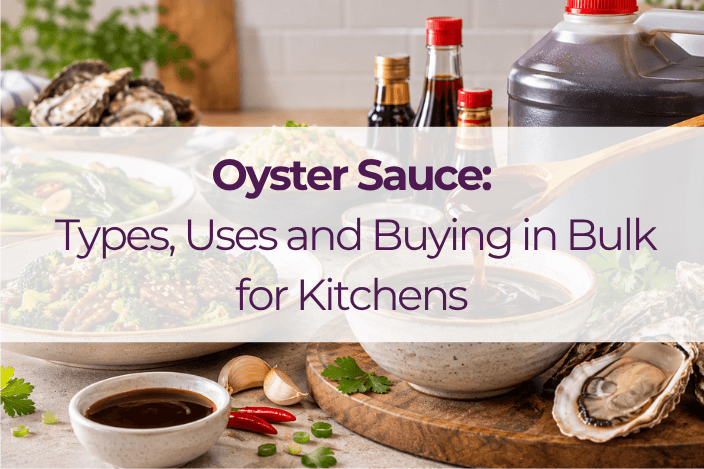
Oyster Sauce: Types, Uses and Buying in Bulk for Kitchens
Oyster Sauce: Types, Uses and Buying in Bulk for Kitchens
What is oyster sauce and what can you use instead?Oyster sauce is a thick, dark, savoury sauce made from oyster extract cooked down with sugar and salt. It adds a rich, salty and slightly sweet flavour to stir-fries, noodles and marinades. If you run out, use hoisin sauce, or soy sauce with a little sugar. For a vegetarian version, use a mushroom based oyster sauce.For kitchens that use it daily, Tiger Tiger supplies oyster sauce by the case through our trade register.What Does Oyster Sauce Taste Like?It tastes savoury and deep, with a gentle sweetness and a lot of umami. It does not taste fishy once cooked. Its thick texture means it clings to food and gives stir-fries a glossy finish.What Is Oyster Sauce Made From?The base is oyster extract, which comes from cooking oysters down. Makers add sugar and salt, and usually a thickener such as cornflour for body. Some brands add soy sauce for colour. Cheaper versions use more thickener and less extract, so the flavour is thinner. Read the ingredients list when you compare suppliers.Allergen note: oyster sauce contains molluscs, which is one of the 14 major allergens in the UK. Make sure your menu and staff briefings reflect this.How To Use Oyster SauceStir-fries: add a spoonful near the end, with soy sauce, for a glossy coating.Greens: drizzle over steamed pak choi or choy sum, a classic Cantonese dish.Noodles and fried rice: a small drizzle adds depth.Marinades: mix with soy sauce, garlic and a little sugar for beef or chicken.Glazes: brush on roast meats near the end of cooking.Sauces: use as a base for brown stir-fry sauce, loosened with stock or water.For more on how oyster sauce sits next to soy, hoisin and the rest, see our guide to Asian sauces. Browse the full sauces category to see what else can sit on the same order.Oyster Sauce SubstitutesSubstituteHow to use itNoteHoisin sauceUse the same amount, then tasteSweeter and spicier, so add less sugarSoy sauce plus sugarAdd a little sugar to soy sauce until it tastes balancedThinner, so you may need cornflourMushroom oyster sauceSwap one for oneVegetarian, with a similar savoury depthDark soy sauceUse a smaller amountColour and salt, but little sweetness Is There a Vegetarian Oyster Sauce?Yes. Mushroom based oyster sauce is made without oyster extract and gives a similar savoury, glossy finish. This helps a menu that needs a vegetarian or pescatarian stir-fry sauce. Check the label and your supplier's allergen details before you describe a dish as vegetarian.Why Buy Oyster Sauce in Bulk?Oyster sauce goes into many dishes across a pan-Asian menu, so a kitchen can use a lot in a week. Buying by the case means fewer orders, a steadier price per bottle and less chance of running out mid service. If you stock soy sauce, sweet chilli and other pantry staples too, one supplier account can cover the lot.Our top 5 Asian pantry essentials post lists the other staples worth ordering with it.Frequently Asked QuestionsWhat is oyster sauce made of?Oyster extract, sugar and salt, usually thickened with cornflour. Some versions add soy sauce for colour.What can I use instead of oyster sauce?Hoisin sauce, soy sauce with a little sugar, or a mushroom based oyster sauce all work. Taste and adjust, as each has a different level of sweetness and salt.Is oyster sauce vegetarian?Standard oyster sauce is not, as it contains oyster extract. Mushroom based versions are made for vegetarians. Check the label.Does oyster sauce need to be kept in the fridge?Follow the storage advice on the label. Most brands should be kept in the fridge once opened.Can I buy oyster sauce in bulk for my restaurant?Yes. Tiger Tiger sells oyster sauce by the case to restaurants, takeaways, caterers and shops. Order through our trade register. Tiger Tiger sells in bulk, not single bottles. If you run a kitchen, takeaway or shop, stock oyster sauce by the case. Fill in the trade register to get started.
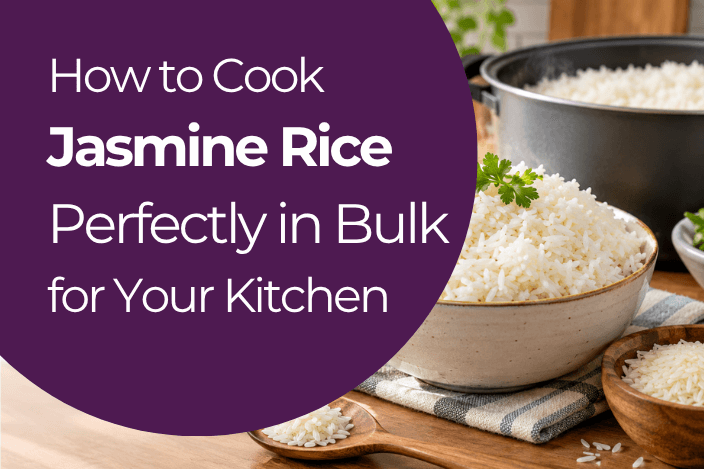
How to Cook Jasmine Rice Perfectly in Bulk for Your Kitchen
How to Cook Jasmine Rice Perfectly in Bulk for Your Kitchen
How do you cook jasmine rice so it is fluffy, not sticky?Rinse the rice until the water runs mostly clear. Use about 1 part rice to 1.25 parts water by volume, bring to the boil, then turn the heat right down, cover and cook until the water is gone. Take the pan off the heat and rest the rice, lid on, for 10 minutes. Fluff with a fork before you serve.If your kitchen goes through rice every day, Tiger Tiger supplies jasmine rice by the sack for restaurants, takeaways and caterers. Fill in our trade register to order.Jasmine Rice Water RatioJasmine rice is softer than most long grain rice, so it needs less water than you might expect. The ratio below works on the hob and in a rice cooker.MethodRice to water (by volume)Rest timePan, lid on, low heat1 : 1.2510 minutes off the heatRice cooker1 : 1.25 (follow your machine's marks)10 minutes after it clicks off How to Cook Jasmine Rice in a PanMeasure the rice by volume with a cup or a measuring jug. Use the same cup for the water.Rinse the rice in cold water, swirling with your hand, until the water runs mostly clear. Drain well.Add the rice and water to a pan with a tight lid. Add a pinch of salt if you like.Bring to the boil, then turn the heat to the lowest setting and put the lid on.Cook without lifting the lid until the water has been absorbed. Small batches take around 12 to 15 minutes.Take the pan off the heat and leave the lid on for 10 minutes. This lets the steam finish the job.Fluff with a fork and serve straight away.Cooking Jasmine Rice in BulkA big batch is a different job from a family pot. Here is what changes when you cook for a full service.Cook in a rice cooker or steamer built for volume, not a deep stock pot. Rice at the bottom of a deep pot goes mushy.Keep to the same ratio and scale up the amount in one go. Do not guess the water by eye.Rest the rice before you open it. Rice served straight from the heat is wetter and clumps.Hold cooked rice hot until service. If you are not serving it soon, cool it fast, chill it and use it within a day. The Food Standards Agency advises cooling rice as quickly as you can, ideally within one hour.Buying rice in sacks also cuts the number of orders you place. Tiger Tiger's rice range is sold for trade buyers, so you can restock without small packs running out mid week.Jasmine Rice vs Basmati Jasmine riceBasmati riceGrainShorter, softerLong and slimTexture when cookedSoft, slightly sticky, grains cling a littleDry, firm, grains stay apartSmellSoft and floralNutty and dryBest withThai curry, stir-fries, grilled meat, steamed fishBiryani, pilau, Indian curries What To Serve With Jasmine RiceJasmine rice is the usual partner for Thai curry. Our guide to restaurant style Thai curry shows how to build the sauce. If you also run a Japanese menu, short grain rice is a different job, and our post on Japanese rice covers how to cook it. For a list of kitchen staples to stock alongside your rice, see our top 5 Asian pantry essentials.Frequently Asked QuestionsWhat is the ratio of water to jasmine rice?About 1 part rice to 1.25 parts water by volume. Rinse first, and rest the rice for 10 minutes after cooking.Do you need to rinse jasmine rice?Yes. Rinsing washes off loose starch, which is what makes the rice gluey. Rinse until the water runs mostly clear.Can you cook jasmine rice in a rice cooker?Yes. Use the same ratio, press start, and leave the rice to rest for 10 minutes after the cooker switches off. Follow the water marks on your machine.What is the difference between jasmine rice and basmati?Jasmine is softer and a little sticky with a floral smell. Basmati is longer, drier and nutty, and the grains stay apart.Can I buy jasmine rice in bulk for my restaurant?Yes. Tiger Tiger sells jasmine rice by the sack to restaurants, takeaways, caterers and shops. Order through our trade register. Tiger Tiger sells in bulk, not single packs. If you run a kitchen, takeaway or shop, buy jasmine rice by the sack. Fill in the trade register to get started.
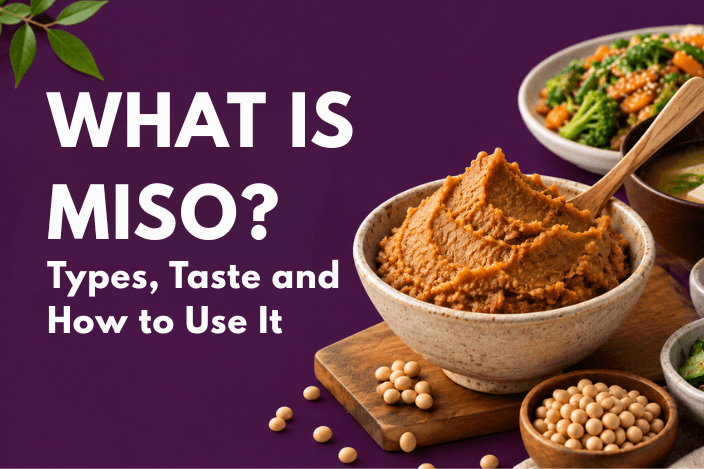
What is miso and what does it taste like?Miso is a fermented soybean paste from Japan, made by fermenting soybeans with koji, a mould culture, sometimes along with rice or barley. It tastes salty, savoury and deeply umami, with a sweetness that varies by type.If you run a kitchen or café, Tiger Tiger supplies miso and other Japanese pantry staples by the case through our trade register, so you are not restocking small jars mid-week.How Is Miso Made?Miso starts with cooked soybeans, which are mixed with salt and koji, a culture grown on rice, barley or soybeans. Left to ferment for anywhere from a few weeks to several years, the mixture breaks down into a thick, savoury paste. Longer fermentation gives a darker colour and a stronger, saltier flavour.Types of MisoTypeTasteBest forWhite miso (shiro)Mild, sweet, fermented for a shorter timeDressings, light soups, marinadesRed miso (aka)Salty, deep, aged longerHearty soups, glazes, braisesMixed miso (awase)A blend of white and red, balanced flavourEveryday miso soup, all-purpose use How To Use MisoStir into hot dashi for a quick miso soup.Whisk into a dressing with rice vinegar and a little oil.Rub onto fish or vegetables before grilling for a savoury glaze.Stir into marinades, braises or gravy for extra depth.If a recipe calls for a substitute, soy sauce mixed with a little sugar can stand in, though it will not have the same thickness or depth. For a menu that uses miso often, keeping a bulk tub on hand works out cheaper than buying small jars repeatedly. See our canned and pantry range for what else pairs well with it.Ways To Use Miso On A MenuMiso works well alongside dashi and soy sauce as a base for Japanese dishes, and it pairs naturally with rice, noodles and grilled fish. For more on stocking a Japanese menu, see our guide to Japanese noodles and our guide to Asian sauces.Frequently Asked QuestionsWhat does miso taste like?Salty and savoury with a strong umami flavour. White miso is milder and slightly sweet, red miso is saltier and more intense.What is a good miso paste substitute?Soy sauce with a little added sugar is the closest simple substitute, though it lacks miso's thickness and depth.Is miso the same as miso soup?No. Miso is the paste itself. Miso soup is made by dissolving that paste into hot dashi stock.Can I buy miso in bulk for my kitchen?Yes. Tiger Tiger supplies miso by the case for restaurants, cafés and shops. Order through our trade register. Tiger Tiger sells in bulk, not single jars. If you run a kitchen, café or shop, stock miso and other Japanese pantry staples by the case. Fill in the trade register to get started.
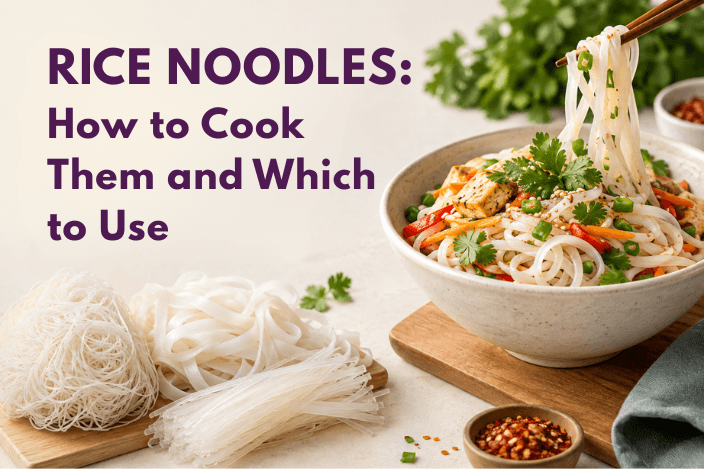
How do you cook rice noodles without them going sticky?Most rice noodles only need soaking in hot water, not boiling. Boiling is what turns them gummy. Soak until just soft, drain straight away, and toss with a little oil so they do not stick together while they wait.For kitchens that go through noodles every service, Tiger Tiger supplies rice noodles wholesale, by the case, through our trade register.Are Rice Noodles Gluten Free?Yes. Rice noodles are made from rice flour and water, so they are naturally gluten free. This makes them a straightforward swap on a menu that needs a gluten-free noodle option, without needing a separate supplier or a different sauce.Which Rice Noodle to UseRice noodles come in several widths and forms, each suited to a different dish.TypeAlso known asBest forVermicelliRice vermicelli, mai funSpring rolls, salads, soupsFlat rice noodlesHo fun, sen yaiPad see ew, beef chow funMedium rice sticksPad Thai noodles, sen lekPad Thai, stir-friesThin rice sticksPho noodles, banh phoPho and other noodle soups Tiger Tiger supplies Pad Thai rice noodles and other widths across the range, sold in bulk packs for restaurants and takeaways. See the full noodles category for what is currently in stock.MethodCheck the pack. Thin vermicelli usually needs only a soak in just-boiled water. Thicker flat noodles may need a brief simmer instead, so follow the pack timing.Soak or simmer until just soft, with a little bite left. They will keep cooking slightly once drained.Drain straight away and rinse briefly in cold water to stop the cooking.Toss with a little oil if they are not going straight into a hot pan or broth, to keep them from clumping.Add to a stir-fry, soup or salad as the recipe calls for.Ways To Use Rice NoodlesRice noodles cover a wide range of dishes, from Vietnamese pho to Thai pad see ew, and are a reliable gluten-free option across a pan-Asian menu. For sauces to pair with them, see our guide to Asian sauces. If your kitchen also runs Japanese noodle dishes, our guide to Japanese noodles covers preparation for those.Frequently Asked QuestionsDo you boil or soak rice noodles?Most rice noodles only need soaking in hot water. Boiling tends to overcook them and make them sticky. Thicker noodles may need a brief simmer, so check the pack.Are rice noodles gluten free?Yes. They are made from rice flour and water, with no wheat.What is the difference between rice noodles and vermicelli?Vermicelli is a thin type of rice noodle. Rice noodles is the broader term and covers thin vermicelli through to wide, flat noodles like ho fun.Can I buy rice noodles wholesale?Yes. Tiger Tiger supplies rice noodles by the case for restaurants, takeaways and shops. Order through our trade register. Tiger Tiger sells in bulk, not single packs. If you run a kitchen, takeaway or shop, buy rice noodles wholesale by the case. Fill in the trade register to get started.
Satay sauce is a warm peanut sauce served with grilled skewers in Indonesia and Malaysia. At home you can make it in about ten minutes from items most cupboards already hold.Ingredients (serves 4)4 tablespoons smooth peanut butter, unsweetened200ml coconut milk2 tablespoons soy sauce1 garlic clove, crushed1 tablespoon lime juice1 teaspoon brown sugarChilli flakes or a chopped fresh chilli, to tasteWarm water, to loosenMethodFry the garlic in a splash of oil over a low heat for a minute, until soft but not brown.Add the peanut butter, coconut milk and soy sauce. Stir until smooth.Add the sugar and chilli. Simmer gently for five minutes, stirring so the bottom does not catch.Take the pan off the heat and stir in the lime juice.Loosen with warm water, a spoonful at a time, until the sauce coats a spoon.If the sauce splits or looks oily, whisk in a little warm water off the heat. For a Malaysian style sauce, stir in a teaspoon of curry powder with the garlic.How to use itChicken satay is the classic partner, brushed on before grilling or served alongside for dipping. The sauce also works stirred through noodles or rice, spooned over steamed vegetables, or used as a dip for spring rolls. Cool leftovers, cover them and keep them in the fridge, then reheat gently with a splash of water.Check the labelSatay sauce contains peanuts and soya, and some versions add fish sauce or wheat in the soy. Tell guests who ask, and read labels on any ready made sauce you use.For kitchens and shopsIf you cook this sauce every day, a ready made sauce saves a pan and keeps each batch the same. Tiger Tiger supplies Malaysian Satay Sauce by the case through the trade register. Our satay sauce guide for foodservice covers batch quantities and storage. For other sauces to keep close, see our guide to Asian sauces.
Satay Sauce: A Kitchen and Sourcing Guide for Foodservice
Satay Sauce: A Kitchen and Sourcing Guide for Foodservice
Satay sauce is a peanut based sauce from Indonesia and Malaysia, built from peanuts, coconut milk, soy sauce, and lime. A kitchen can make it in batch by warming peanut butter, coconut milk, and soy sauce together for five to ten minutes, or buy it ready made for consistent results across every service. Either way, it works as a starter, a dip, or a stir fry sauce.Satay sauce is a fixture on menus across the UK, from Thai and Malaysian restaurants to Chinese takeaways and pan-Asian grocers. For a kitchen adding it to the menu or a retailer stocking it on shelf, the questions are practical: what goes into it, how it scales, which style suits your customers, and whether to make it in house or buy it in. This guide covers all four. If you only want a small home batch with garlic and chilli, use our easy satay sauce recipe instead.What Is Satay Sauce Made Of?Satay sauce is made from ground or blended peanuts, coconut milk, soy sauce, and a sour note such as lime juice or tamarind.The exact mix changes by country, which matters when a menu needs to match a cuisine or a customer base. The Indonesian version, bumbu kacang, uses hand pounded roasted peanuts, sweet soy sauce (kecap manis), and chilli. The Malaysian and Singaporean version is thinner and leaner, built on peanut butter or crushed peanuts, coconut milk, and often a spoon of curry powder. Both grew up alongside satay, the grilled meat skewers sold at street stalls across Southeast Asia, and the sauce was made to be dipped or poured over the skewers rather than eaten alone.How to Make Satay Sauce in BatchMix peanut butter, soy sauce, and curry powder, then warm the mix with coconut milk for five to ten minutes, stirring, until smooth and thick. Stir in lime juice off the heat. The method scales up cleanly for batch cooking, in the ratios below per litre of finished sauce.IngredientAmount per litreNotesPeanut butter (smooth)600gCrunchy works too and adds textureCoconut milk1kgFull fat gives a thicker sauce and a better shelf holdSoy sauce200mlLight soy for colour, dark for a deeper flavourLime juice200mlStir in last, off the heatCurry powder60g (optional)Gives a Malaysian style sauce 1. Mix the base. Stir the peanut butter, soy sauce, and curry powder together before it goes anywhere near heat, so the sauce stays smooth.2. Warm it through. Add the coconut milk and heat gently, stirring, for five to ten minutes, until the sauce thickens to a coating consistency.3. Finish and cool. Take off the heat, stir in the lime juice, then cool and store to your kitchen's food safety procedure before service.For kitchens that want consistency across every batch without the prep time, Tiger Tiger's own Malaysian satay sauce is ready to warm through and serve, and is available by the case through the trade register.Peanut Butter: Smooth or Crunchy?Either works. The difference is texture, not flavour, and the choice can be led by what suits the dish going out.TypeResultBest forSmooth peanut butterSilky, easy to pour and easy to portionA dip or a sauce for noodlesCrunchy peanut butterFlecks of peanut through the sauceA sauce served with skewersWhole roasted peanuts, blendedCoarser, more traditional textureAn Indonesian style sauce or a signature house recipeIs Satay Sauce the Same as Peanut Sauce?Satay sauce and peanut sauce are closely related, not identical terms, and menu copy should not use them interchangeably. Peanut sauce is the wider group, used for dishes such as gado-gado. Satay sauce is a peanut sauce made specifically to go with satay skewers, usually built with soy sauce and a curry note that a plain peanut sauce does not always carry.What Satay Sauce Do Chinese Takeaways Use?UK Chinese takeaways usually serve a thinner, sweeter peanut sauce, closer to the Malaysian style, thickened with cornflour and sweetened with sugar. It is milder and less textured than an Indonesian version made with hand pounded peanuts, and it holds well under a heat lamp, which is why it suits a takeaway counter.Batch Storage, Shelf Life and Prep-AheadMade in house, satay sauce keeps covered and chilled for up to three days, and freezes well in an airtight container for up to three months, which makes it a good candidate for prep-ahead batch cooking. Thaw in the fridge overnight and warm gently, adding a splash of water or coconut milk if it has thickened too much. Label each batch with the make date under your kitchen's normal date coding, since a house made sauce will not carry the shelf life of a commercially produced one.Menu Uses for Satay SauceA starter or sharing dish with chicken, pork, beef, or tofu skewersA dip alongside prawn crackers or spring rollsStirred through noodles or rice as a quick sauce baseDrizzled over a salad such as gado-gadoBottled or boxed as a retail add-on next to skewers or noodle kitsTiger Tiger also stocks light soy sauce and tinned coconut milk by the case, alongside the rest of the sauce and canned range, so a kitchen can source every ingredient from one supplier.Is Satay Sauce Gluten Free or Vegan, and Why It Matters for Your MenuA basic recipe made with peanut butter, coconut milk, soy sauce, and lime is vegan. Some traditional versions add fish sauce, so check the ingredients before it goes on an allergen matrix. For a gluten free version, swap regular soy sauce for tamari or a gluten free soy sauce, since the rest of the ingredients are naturally free from gluten. Under Natasha's Law, any pre-packed for direct sale item made in house needs a full ingredients label, including peanuts, soya, and any gluten containing soy sauce, so keep a written recipe on file for every batch. FAQWhat is satay sauce made of? Ground or blended peanuts, coconut milk, soy sauce, and lime juice or tamarind, with curry powder added in the Malaysian style.How do you make a simple satay sauce? Warm peanut butter, coconut milk, and soy sauce for five to ten minutes, then stir in lime juice off the heat. The method scales up cleanly for batch production.What satay sauce do Chinese takeaways use? A thinner, sweeter peanut sauce closer to the Malaysian style, thickened with cornflour, chosen because it holds well under a heat lamp.Can you freeze satay sauce? Yes, in an airtight container for up to three months, which makes it suited to prep-ahead batch cooking. Thaw in the fridge and reheat gently.Is satay sauce vegan? The basic recipe is. Some traditional versions add fish sauce, so check before it goes on an allergen matrix.Can I buy satay sauce ready made for my kitchen? Yes. A ready made sauce gives every site the same taste and consistency without batch-to-batch prep, and can be ordered by the case.Order satay sauce and the ingredients to make it in house by the case through the Tiger Tiger trade register, or browse the full range of canned and bulk pan-Asian ingredients.
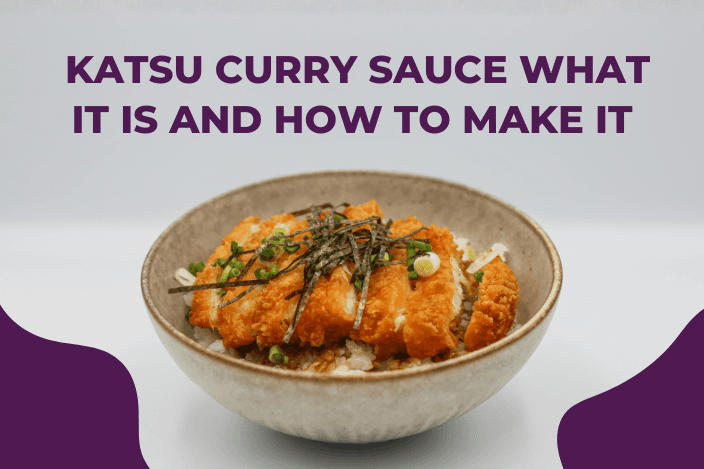
Katsu curry sauce is a mild, sweet and savoury Japanese curry sauce made from onion, carrot, garlic, ginger, curry powder and stock, thickened with a little flour. It is poured over breaded chicken or pork, rice and vegetables. You can make a smooth, pourable version at home in about 20 minutes.Most recipes online copy the Wagamama version and skip the basics. This guide covers what the sauce is, what goes in it, how to make it with or without coconut milk, what to serve it with, and how to store it.What is katsu curry sauce?Katsu curry sauce is the pourable Japanese curry served with a breaded cutlet, rice and vegetables. It is thick, glossy and mild, with a sweet and savoury base rather than heat. The flavour comes from softened onion and carrot, curry powder, soy sauce and a touch of sweetness.The name gives away the history. “Katsu” is short for “katsuretsu”, a Japanese version of the English word “cutlet”. Japanese curry itself arrived from Britain during the Meiji era, carried in by the British Navy, and the curry powder behind it held spices first traded from India. So a plate of katsu curry links three cuisines.The sauce is not meant to be spicy. If you want more kick, you add chilli or extra curry powder yourself.What is katsu curry sauce made of?Katsu curry sauce is made of a few everyday ingredients: aromatics, curry powder, a thickener and stock. Here is a base recipe for four servings. Most of these are Asian store-cupboard staples you can keep year-round.IngredientAmountWhat it doesVegetable or rapeseed oil1 tbspSoftens the vegetablesOnion, chopped1 mediumSweet, savoury baseCarrot, chopped1 mediumNatural sweetness and bodyGarlic cloves2DepthFresh ginger, grated1 thumbWarmthCurry powder, mild1 tbspThe main flavourGround turmeric1 tspColour and earthinessPlain flour1 tbspThickens the sauceChicken or vegetable stock400 mlThe liquid bodySoy sauce1 tbspSalt and umamiHoney or maple syrup1 tbspBalancing sweetnessCoconut milk (optional)100 mlCreamier, Wagamama styleWhat is the difference between katsu sauce and katsu curry sauce?Katsu sauce and katsu curry sauce are two different things, which trips a lot of people up. Katsu sauce, also called tonkatsu sauce, is a thick, dark, tangy brown sauce used as a dip for breaded cutlets. It sits closer to a fruity brown sauce or barbecue sauce.Katsu curry sauce is the mild yellow curry sauce poured over the whole plate. When a UK menu says “katsu”, it almost always means the curry sauce, not the dip.How to make katsu curry sauceMake katsu curry sauce by softening the vegetables, toasting the spices, then building a smooth sauce with stock. It takes about 20 minutes start to finish.Heat the oil in a pan over medium heat. Add the onion and carrot and cook for about 8 minutes, until soft and starting to caramelise at the edges.Add the garlic and ginger and cook for 1 minute.Stir in the curry powder and turmeric and cook for 1 minute, so the spices toast.Add the flour and stir for another minute to coat.Pour in the stock a little at a time, stirring so no lumps form. Add the soy sauce and honey.Simmer for 15 to 20 minutes, until thick enough to coat a spoon but still pourable.For a silky finish, blend the sauce smooth with a hand blender, or push it through a sieve.With or without coconut milkYou can make katsu curry sauce with or without coconut milk. The Wagamama-style version stirs in about 100 ml of coconut milk near the end for a creamier, rounder sauce. Leave it out for a lighter, more traditional sauce built on stock alone. Both work, so pick the texture you prefer.Gluten-free and vegan swapsYou can make the sauce gluten-free or vegan with simple swaps. For gluten-free, use tamari in place of soy sauce and a gluten-free flour or a little cornflour to thicken. For vegan, use vegetable stock and swap the honey for maple syrup or sugar. The method stays the same, and it pairs well with crisp tofu, which you can get right by following our guide on how to cook tofu so it’s crispy.What to serve with katsu curry sauceKatsu curry sauce works with far more than chicken. Serve it over:Breaded chicken (chicken katsu) with sticky rice. For the crispest cutlet, use panko breadcrumbs rather than standard crumbs.Breaded pork (tonkatsu), the traditional pairing.Crisp tofu or breaded aubergine for a meat-free plate.Prawns or a firm white fish.Thick udon noodles, poured over as curry udon.Roast or steamed vegetables, as a simple pour-over sauce.It is best spooned over a bowl of short-grain rice. If you want it just right, see how to make sushi rice, or browse the full Tiger Tiger rice range.How to store, freeze and reheat katsu curry sauceStore katsu curry sauce in a sealed tub in the fridge for up to 3 days, or freeze it for up to 3 months. It thickens as it cools, so when you reheat it on the hob, add a splash of water or stock and warm it gently until pourable again. It reheats well, which makes it worth cooking a double batch.Shop-bought vs homemade katsu sauceShop-bought katsu sauce is quicker, and homemade gives you control. Jars, sachets and curry blocks all save time, but many carry more sugar and salt than a scratch sauce. Making your own lets you set the sweetness, the heat and the thickness, and it uses store-cupboard ingredients you likely already have.Frequently asked questionsWhat is katsu curry sauce made of?Onion, carrot, garlic, ginger, curry powder and stock, thickened with flour, with soy sauce and a little honey for balance. Some versions add coconut milk for a creamier finish.What is the difference between curry sauce and katsu curry sauce?Katsu curry sauce is a specific mild, sweet Japanese curry sauce served with a breaded cutlet. A general curry sauce can be any style or heat level, from Indian to Chinese takeaway.Is katsu curry sauce spicy?No. It is mild and sweet by design. Add extra curry powder or chilli if you want more heat.Can you make katsu curry sauce without coconut milk?Yes. Build the sauce on stock alone for a lighter, more traditional result. Coconut milk only makes it creamier.Is katsu curry sauce gluten-free?Not always, because soy sauce and plain flour contain gluten. Swap in tamari and a gluten-free thickener to make it gluten-free.How long does katsu curry sauce keep?Up to 3 days in the fridge in a sealed tub, or up to 3 months in the freezer.Serving katsu curry on your menu?Tiger Tiger supplies the building blocks of a good katsu sauce, curry powder, soy sauce, coconut milk and rice, in bulk to restaurants, takeaways and retailers across the UK. Browse the canned and store-cupboard range, or open a trade account to order by the case.
How to Choose an Asian Food Wholesale Supplier: A UK Buyer’s Guide
How to Choose an Asian Food Wholesale Supplier: A UK Buyer’s Guide
Your supplier list is one of the most important decisions you make as a trade buyer. Get it right, and your kitchen runs on consistent, authentic ingredients at margins that work. Get it wrong, and you are firefighting stockouts, swapping recipes mid-service, and explaining price rises to your own customers.This guide is written for the people doing the buying — wholesalers, distributors, restaurant and takeaway operators, caterers and foodservice managers — who need a dependable source of bulk Asian ingredients. It walks through what actually separates a good Asian food wholesale supplier from an average one in the UK, the criteria worth scoring suppliers against, and the questions to ask before you commit a single order.Wholesaler, distributor or cash & carry — know what you are buying from“Supplier” covers several different models, and they are not interchangeable. Before you compare names, get clear on which type fits your operation.Wholesalers and distributors supply trade customers in bulk, usually on a trade account with delivery. Many UK buyers search for asian food wholesale distributors uk specifically because they want a single partner who carries depth across multiple cuisines and brands, delivered to the door, rather than a one-line specialist (we explain how this works in our guide to Asian food distribution in the UK). This is normally the right model for kitchens and resellers who order regularly and want price stability.Cash & carry suits buyers who want to hand-pick stock in person and collect the same day. It offers flexibility but usually means your own time, your own transport, and pricing that is less predictable across visits.Importers and brand owners sit upstream. Buying direct can lower unit cost on a single line, but rarely makes sense unless you move serious volume of one product, because you lose the convenience of a consolidated order.For most trade buyers, a wholesale supplier that consolidates ambient, chilled and frozen Asian lines into one delivered account is the most efficient choice. The rest of this guide assumes that is what you are evaluating.The criteria that actually matterIt is easy to choose on the headline price alone. The buyers who protect their margins year-round look wider. Here are the factors worth scoring every candidate against.1. Range and authenticityA strong Asian food wholesale supplier should let you build most of a menu from one order — rice and noodles, sauces and pastes, oils, dried goods, spices, and the regional staples that define Chinese, Thai, Japanese, Korean, Vietnamese and Indian cooking. Breadth matters because every extra supplier you add is another invoice, another delivery window and another point of failure. It is worth scanning a candidate’s full product range before you commit, to see how much of your order list one supplier can actually cover.Authenticity matters just as much. Diners and your own trade customers notice when a curry paste or a soy sauce is the “near enough” version. Look for a supplier that carries recognised regional brands, not just generic substitutes, so the dishes leaving your kitchen taste the way they are meant to.2. Consistent supply and stock depthRange is worthless if the lines you depend on are routinely out of stock. The single most damaging thing a supplier can do is force you to change a recipe because their shelf is empty. Ask how deep their stockholding is on core lines, how they manage seasonal or imported items prone to shortages, and what their fill rate looks like in practice. A supplier backed by established import relationships and a real warehouse operation will hold consistency far better than a thinly stocked reseller.3. Pack sizes and minimum order quantitiesThe right pack size depends on your throughput. A busy takeaway burns through a 20kg sack of rice quickly; a small café will see it spoil before it is used. A good supplier offers a sensible spread of pack sizes and case quantities, and is upfront about minimum order quantities (MOQs) and minimum order values for free or discounted delivery. Match these to your storage and turnover before you sign up — over-ordering ties up cash and risks waste; under-ordering pushes up your per-unit cost. Our guide to bulk buying Asian ingredients for foodservice profit goes deeper on getting this balance right.4. Trade pricing and transparencyBulk buying should reward you with genuine trade pricing, not a thin discount on retail. Ask for a price list against the lines you actually use, and look for transparency: clear unit costs, no surprise surcharges, and a sensible approach to price changes on imported goods. The cheapest list on day one is not always the best value over a year — consistency and honesty about pricing usually matter more than a single low number. For more on how sourcing decisions feed into margin, see how UK restaurants can reduce food costs through Asian ingredient sourcing.5. Provenance, food safety and complianceWhatever you serve, the responsibility for what is in it runs back through your supply chain. A credible wholesale supplier should be able to evidence food-safety standards, full traceability on imported goods, and clear, accurate allergen information on every line. If a supplier cannot quickly tell you where a product comes from and how it is handled, that is a risk you are inheriting. This is non-negotiable for caterers and any operator serving the public.6. Delivery, lead times and coverageCheck the practicalities early: which days they deliver to your area, cut-off times for next-day or scheduled delivery, how chilled and frozen lines are kept in temperature through transit, and what happens when something is short or damaged on arrival. Reliable cold-chain handling and a dependable delivery schedule are what let you plan your own kitchen with confidence.7. Account support and ease of orderingDay to day, you want ordering to be simple — a clear online or account-managed process, easy reordering of your regular lines, and a real person to call when something needs sorting. A responsive account team is worth a great deal when you are mid-service and an order has gone wrong.8. Heritage and stabilityFinally, look at how long the business has been in the trade and who stands behind it. Longevity is a proxy for the things that are hard to see from the outside: solid import relationships, financial stability, and the operational experience to keep supplying you through disruption. A supplier that has weathered decades of changing tastes and supply shocks is a safer bet than one that appeared last year.Red flags to watch forVague provenance. If they cannot tell you the origin or handling of a product, walk away.Constant substitutions. Frequent “we’re out, here’s an alternative” messages signal weak stock control.Opaque pricing. Hidden surcharges, unclear MOQs, or prices that move without explanation.No trade structure. A genuine wholesale supplier has a proper trade account process, not a retail checkout with a discount code.Thin range. If you need three suppliers to cover one menu, your admin and risk multiply.Questions to ask before you open an accountUse this as a quick checklist when you speak to a prospective supplier:What is your full range across ambient, chilled and frozen Asian lines?Which brands do you carry on the products I use most?What pack sizes and MOQs apply, and what is the minimum order for free delivery?Can I see trade pricing on my actual order list?How do you evidence food safety, traceability and allergen information?Which days do you deliver to my postcode, and what are your cut-off times?How do you handle shortages, damages and credits?Can I place a smaller trial order before committing to regular volume?A supplier worth your business will answer all of these without hesitation.Where Tiger Tiger Foods fitsTiger Tiger Foods is a UK trade supplier of bulk Asian food, built specifically for wholesalers, distributors, restaurants, takeaways, cafés and caterers — not for home cooks. The range is designed to let trade buyers source the staples and authentic regional brands behind Chinese, Thai, Japanese, Indian and wider Asian menus from a single account.The part that is hardest for newer suppliers to match is heritage. Tiger Tiger Foods is backed by JK Foods, a business with around five decades in the UK Asian food trade. That depth sits behind the import relationships, stockholding and reliability that the criteria above are really testing for — the difference between a supplier who can keep your core lines on the shelf and one who hopes to.If you are weighing up Asian food wholesale suppliers in the UK, the practical next step is to put a candidate to the test against your own order list.Ready to compare us against your current supplier?The best way to judge a wholesale supplier is on your own products and volumes. Open a trade account with Tiger Tiger Foods, browse the full product range, and check our pack sizes and trade pricing against what you buy today.
Beginner's Guide to Cooking Authentic Asian Food at Home
Beginner's Guide to Cooking Authentic Asian Food at Home
You have a wok or a big frying pan, a free evening and a recipe that calls for four sauces you do not own. Start with five items and three methods, and most weeknight Asian dishes open up.Five things to buy firstLight soy sauce for seasoning. Oyster sauce for savoury depth in stir-fries. Jasmine rice. A pack of noodles. Coconut milk for curries and soups. With these five you can make fried rice, a noodle stir-fry, a quick curry and a soup.Tiger Tiger supplies light soy sauce, oyster sauce, jasmine rice, noodles and coconut milk by the case to shops and kitchens, so if you cook at home, look for them at your local Asian grocer.Light soy and dark soy are different thingsThis is the first mistake most beginners make. Light soy sauce is thin and salty, and it is what a recipe means when it says "soy sauce". Dark soy sauce is thicker, a little sweeter and less salty, and it is used mostly to add colour. A splash is plenty. Swap one for the other and the dish will taste wrong or look too dark.Three methods are enoughStir-frying is quick cooking over high heat. Chop everything first, get the pan hot before the oil goes in, and cook in small batches so the food fries instead of steams. Steaming suits dumplings, fish and vegetables, and needs almost no oil. Simmering and braising build flavour slowly in curries, broths and stews, and forgive a distracted cook.Taste as you goAsian cooking balances sweet, salty, sour, spicy and savoury. If a dish is too sharp, add a pinch of sugar. If it is flat, add a little soy or fish sauce. If it is heavy, add lime juice or vinegar. Small changes, tasted between each one, beat a big correction at the end.Cook the rice properlyRinse jasmine rice until the water runs mostly clear, use about 1 part rice to 1.25 parts water by volume, and let it rest with the lid on after cooking. Our full method is in the post on cooking jasmine rice.Three first dishesEgg fried rice from cold, day-old rice. A vegetable and noodle stir-fry with garlic, soy sauce and a spoon of oyster sauce. A green curry or noodle soup once you are comfortable, using our guide to Thai curry at home. If you lean towards Japanese food, try five simple Japanese recipes.When you are ready to widen the pantry, our list of top 5 Asian pantry essentials is the next stop.SourceThe Takeout: light and dark soy sauce
50 Essential Asian Cooking Ingredients Every Kitchen Needs
50 Essential Asian Cooking Ingredients Every Kitchen Needs
Asian cuisine is celebrated across the world for its depth of flavour, balance of ingredients and diverse cooking traditions. From the savoury richness of sauces to the freshness of herbs and vegetables, Asian cooking relies on a wide variety of pantry staples that bring dishes to life.Whether you are a professional chef, a foodservice operator or a home cook exploring new cuisines, building a well stocked Asian pantry makes cooking easier and more authentic. With the right ingredients on hand, you can prepare a wide range of dishes from stir fries and soups to noodles and curries. If you are just starting out, our beginner's guide to authentic Asian cooking at home shows how to use these staples.TigerTiger Foods UK provides a wide selection of authentic Asian ingredients designed for both B2B foodservice businesses and B2C customers who want to experience genuine Asian flavours at home. Explore the fullTiger Tiger product range to discover more.This guide highlights fifty essential Asian cooking ingredients every kitchen should consider.Why Asian Pantry Ingredients MatterAsian cuisine focuses on harmony between flavour, aroma and texture. The key flavour profiles often include sweet, salty, sour, spicy and umami.Having the right pantry ingredients allows you to• Prepare authentic Asian dishes quickly• Create balanced flavours in cooking• Experiment with different regional cuisines• Improve efficiency in both home and professional kitchensWith a well organised pantry, many popular Asian dishes can be prepared with minimal preparation.Essential Asian Sauces and CondimentsSauces are the foundation of many Asian dishes, providing the depth and complexity that defines the cuisine.Important sauces include• Soy sauce• Oyster sauce• Fish sauce• Hoisin sauce• Sweet chilli sauce• Teriyaki sauce• Black bean sauce• Chilli garlic sauceFor example, oyster sauce is widely used in stir-fries and noodle dishes because it adds a rich savoury flavour and glossy texture. A reliable option is Tiger Tiger Oyster Sauce, which delivers consistent taste and quality. Our post on oyster sauce types, uses and substitutes goes into more detail.These sauces help create restaurant quality dishes with minimal effort. Peanut based sauces earn a place on the shelf too, and our easy satay sauce recipe shows how quickly one comes together. Japanese menus rely on a different set of sauces, covered in our guide to Japanese sauces and pastes, and our explainer on katsu curry sauce covers one of the most requested.Essential Asian Spices and SeasoningsSpices are vital for building the bold flavours associated with Asian cooking. Many of these spices are used in marinades, broths and stir fry sauces.Key spices and seasonings include• Ground ginger• Turmeric• Five spice powder• White pepper• Garlic powder• Curry powder• Star anise• Sichuan peppercornsThese ingredients bring warmth, aroma and complexity to dishes ranging from Chinese stir fries to Southeast Asian curries. If you only want to buy a few first, our top 5 Asian spices for your kitchen picks the ones to start with, and commercial Asian spices for UK kitchens covers buying them in larger packs.Noodles and Rice StaplesRice and noodles are fundamental components of Asian cuisine and form the base of many popular dishes.Common staples include• Jasmine rice• Basmati rice• Sticky rice• Rice noodles• Egg noodles• Udon noodles• Soba noodles• Vermicelli noodlesThese ingredients allow you to prepare classic dishes such as fried rice, ramen bowls, noodle soups and stir fried noodles. Our guide to cooking jasmine rice in bulk gives the water ratio and method, and fresh Chinese noodles explains the main types and where to buy them.Fermented and Umami IngredientsFermented ingredients are central to Asian cooking and contribute a unique umami flavour that improves many dishes.Important fermented ingredients include• Miso paste• Gochujang• Doubanjiang chilli bean paste• Fermented black beans• Kimchi• Rice vinegarThese ingredients add depth and complexity while delivering authentic regional flavour profiles. If miso is new to you, what is miso and how to use it explains the white, red and mixed types.Essential Asian Vegetables and Preserved IngredientsVegetables are widely used across Asian cuisines, both fresh and preserved. Many preserved vegetables provide convenience and extended shelf life while maintaining flavour.Popular Asian vegetables include• Bamboo shoots• Water chestnuts• Baby corn• Pak choi• Lotus root• Bean sproutsThese ingredients add texture and freshness to a wide range of recipes. Our Asian vegetables guide describes how each one is used, and quick meals with canned bamboo shoots has ideas for a busy service.Aromatic Cooking EssentialsAromatic ingredients are the backbone of Asian cooking. They are typically used at the beginning of cooking to create a fragrant base.Key aromatics include• Fresh ginger• Garlic• Spring onions• Lemongrass• Galangal• Thai basilThese ingredients release their flavours quickly when heated and are essential for stir fries, soups and curries.Oils and Cooking FatsCooking oils influence both flavour and cooking technique in Asian cuisine.Commonly used oils include• Sesame oil• Peanut oil• Vegetable oil• Chilli oil• Coconut oilSesame oil, in particular, is valued for its nutty aroma and is often added as a finishing oil to improve flavour. For chilli oil, see how to use crispy chilli oil and buy it in bulk.Asian Sweeteners and Balancing IngredientsBalancing flavours is essential in Asian cooking. Sweeteners help balance salty and spicy elements.Common sweeteners include• Palm sugar• Brown sugar• Honey• Rock sugarThese ingredients are frequently used in sauces, marinades and braised dishes.Herbs and GarnishesFresh herbs and garnishes add brightness and colour to Asian dishes.Essential herbs include• Coriander• Thai basil• Mint• ChivesCommon garnishes include• Sesame seeds• Fried shallots• Crushed peanutsThese finishing touches lift both presentation and flavour.Why Stocking an Asian Pantry Benefits KitchensWhether cooking professionally or at home, keeping essential Asian ingredients on hand offers many advantages.Benefits include• Faster meal preparation• Greater menu variety• Authentic flavour development• Reduced need for specialty shoppingWith the right pantry staples, chefs can easily create dishes inspired by Chinese, Thai, Korean, Japanese and Southeast Asian cuisines.TigerTiger Foods UK supports both foodservice professionals and home cooks by providing reliable access to authentic Asian ingredients that simplify the cooking process.ConclusionAsian cuisine is built on a foundation of carefully selected ingredients that create balanced and vibrant flavours. From sauces and spices to vegetables and noodles, each component plays a role in building authentic dishes.By stocking these fifty essential Asian cooking ingredients, kitchens can open up the versatility and creativity that defines Asian cuisine. Whether preparing a quick stir fry, a comforting noodle soup or a complex curry, having the right ingredients readily available makes all the difference.With a commitment to quality and authenticity, TigerTiger Foods UK continues to support chefs, retailers and home cooks who want to bring the flavours of Asia into their kitchens.
How to Make “Swicy” Fried Chicken Using Mango Pulp and Gochujang
How to Make “Swicy” Fried Chicken Using Mango Pulp and Gochujang
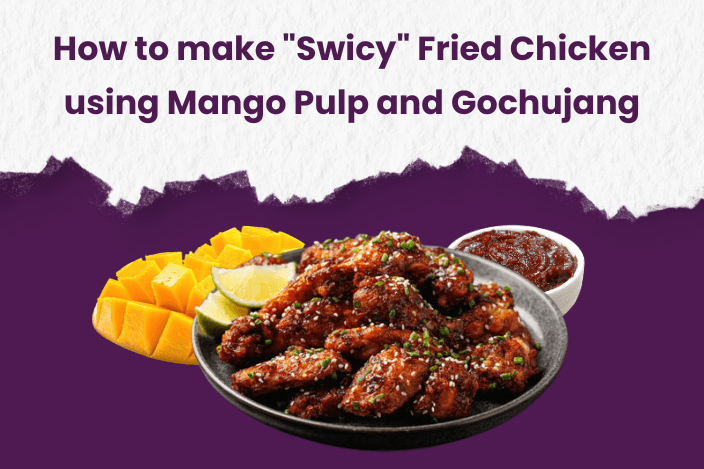
Asian cuisine continues to inspire modern food trends across the UK, especially when it comes to bold flavour combinations. One of the most exciting trends currently influencing menus is the concept of “swicy” food. The term combines sweet and spicy flavours to create a balanced taste profile that appeals to a wide range of diners.A perfect example of this flavour trend is swicy fried chicken made with mango pulp and gochujang. The natural sweetness of mango blends beautifully with the fermented chilli heat of gochujang, creating a rich glaze that coats crispy fried chicken perfectly. Gochujang is a Korean fermented chilli paste known for delivering a deep umami flavour and balanced heat, making it widely used in Asian cooking.Gochujang is also the base of our Chopped Rice Cake (Tteokbokki) recipe, a popular Korean street food. It shows the same sweet and spicy balance in a different kind of dish.For restaurants, caterers and home cooks alike, TigerTiger Foods UK provides convenient access to authentic Asian ingredients that make it easier to create innovative dishes.What Is “Swicy” Flavour?“Swicy” is a flavour trend that combines sweetness with spicy heat. This pairing creates complexity and balance in dishes, ensuring that the spice does not overpower the palate while the sweetness improves overall flavour.Key characteristics of swicy dishes include• A balance between sweetness and chilli heat• Layered flavours with depth and complexity• A glossy glaze or sauce that coats the dish• Strong appeal across both casual and gourmet menusIn the case of swicy fried chicken, mango pulp provides natural fruit sweetness while gochujang contributes fermented heat and savoury depth.TigerTiger Foods UK offers high quality ingredients such as Tiger Tiger Mango Pulp Juice which delivers rich mango flavour ideal for sauces and glazes.Why Mango and Gochujang Work So Well TogetherThe pairing of mango and gochujang may seem unexpected, but it creates an exceptional balance of flavours.Mango adds• Natural sweetness• Fruity aroma• Smooth texture for saucesGochujang contributes• Fermented chilli heat• Umami depth• A slightly sweet and savoury flavourTraditional Korean fried chicken often uses a sticky gochujang based glaze that coats crispy chicken pieces with bold sweet and spicy flavour.When mango pulp is added, the sauce becomes brighter and fruitier while still maintaining the classic Korean heat.You can easily prepare this recipe using Tiger Tiger Gochujang Hot Pepper Paste combined with mango pulp to create a signature swicy glaze.Ingredients NeededTo make swicy mango gochujang fried chicken, you will need the following ingredients.For the Fried Chicken• 600 g chicken wings or boneless chicken pieces• 1 cup plain flour• ½ cup cornflour• 1 teaspoon salt• 1 teaspoon garlic powder• ½ teaspoon black pepper• 1 egg• Cold water for batter• Vegetable oil for fryingFor the Swicy Mango Gochujang Sauce• 3 tablespoons mango pulp• 2 tablespoons gochujang• 1 tablespoon soy sauce• 1 tablespoon honey• 1 teaspoon grated ginger• 2 cloves garlic (minced)• 1 teaspoon rice vinegar• 1 teaspoon sesame oilThese ingredients create a thick glossy sauce that perfectly coats crispy chicken.For inspiration and additional Asian cooking ingredients, explore the TigerTiger Foods UK website.Step by Step Cooking Method1 Prepare the ChickenStart by preparing the chicken for frying.• Pat the chicken dry with kitchen paper• Season lightly with salt and black pepper• Allow the chicken to rest for 10 minutesDry chicken ensures the batter sticks properly and creates a crisp coating.2 Make the Crispy BatterIn a large bowl, mix• Plain flour• Cornflour• Garlic powder• Salt and pepperAdd the egg and a small amount of cold water to create a thick batter. The combination of flour and cornflour helps create a crisp texture when fried.3 Fry the ChickenHeat vegetable oil in a deep pan or fryer to approximately 180°C.• Coat each chicken piece in batter• Carefully place the chicken in hot oil• Fry for around 6 to 8 minutes until golden brownFor extra crispiness, some chefs prefer double frying the chicken, a technique commonly used in Korean fried chicken.Remove the chicken and place it on paper towels to drain excess oil.Making the Mango Gochujang Swicy SauceWhile the chicken rests, prepare the sauce.In a small pan combine• Mango pulp• Gochujang• Soy sauce• Honey• Garlic and ginger• Rice vinegarCook the mixture over medium heat for 2 to 3 minutes while stirring. The sauce should thicken into a smooth glaze.Finish by adding sesame oil for a subtle nutty aroma.Tossing the Chicken in the Swicy GlazeOnce the sauce is ready• Add the fried chicken to a large mixing bowl• Pour the mango gochujang sauce over the chicken• Toss gently until every piece is coatedThe result should be glossy, sticky chicken with a vibrant sweet and spicy aroma.Garnishing and Serving IdeasTo improve presentation and flavour, garnish the chicken with• Toasted sesame seeds• Chopped spring onions• Fresh chilli slicesServing suggestions include• Steamed jasmine rice• Asian style slaw• Bao buns• Crispy friesThis dish works equally well as a main course, appetiser or street food style snack.Why This Dish Works for Food BusinessesSwicy mango gochujang fried chicken is not only delicious but also commercially appealing for foodservice operators.Benefits for restaurants and takeaway businesses include• Strong visual appeal for social media marketing• Balanced flavour profile suitable for diverse customers• Adaptable for wings, tenders or chicken burgers• High customer demand for sweet and spicy dishesBy using reliable ingredients from TigerTiger Foods UK, chefs can ensure consistent flavour and quality across every batch.ConclusionThe swicy food trend highlights how creative flavour combinations can transform familiar dishes into exciting culinary experiences. By combining the tropical sweetness of mango pulp with the bold fermented heat of gochujang, chefs can create a modern Asian inspired fried chicken that delivers both flavour and visual impact.Whether you are a professional chef, foodservice operator or home cook exploring new flavours, TigerTiger Foods UK provides the authentic ingredients needed to bring innovative Asian dishes to life.
Bulk Buying Asian Ingredients: A Profit Strategy for UK Foodservice Businesses
Bulk Buying Asian Ingredients: A Profit Strategy for UK Foodservice Businesses
The UK foodservice industry continues to evolve as consumer demand for authentic Asian cuisine grows across restaurants, street food concepts, takeaways, catering businesses and retail outlets. From Thai curries and Japanese ramen to Korean sauces and Chinese stir fry dishes, Asian flavours are now firmly established within mainstream dining.For hospitality operators, the challenge lies in delivering consistent quality while protecting margins. One of the most effective ways to achieve this is through bulk buying Asian ingredients. When managed strategically, bulk purchasing is not simply about ordering larger quantities. It is a structured profit strategy that improves cost control, strengthens supplier relationships and improves operational efficiency.At TigerTiger Foods UK, we support both B2B foodservice businesses and B2C customers with reliable access to high quality Asian ingredients designed for performance and authenticity. If you are still comparing suppliers, our guide to choosing an Asian food wholesale supplier sets out what to check before you open an account.Why Bulk Buying Makes Financial SenseBulk purchasing provides more than just lower unit prices. It creates financial stability and predictability in an industry often affected by fluctuating costs and supply chain pressures.Key financial advantages include:• Lower cost per unit through volume pricing• Reduced frequency of delivery charges• Greater pricing stability across the quarter• Improved forecasting and procurement planningBy sourcing from a trusted wholesaler such as TigerTiger Foods UK, foodservice businesses can explore a wide range of professionally packaged products across the Tiger Tiger product range, specifically developed for commercial kitchens.This approach ensures competitive pricing without compromising on authenticity or quality.Strengthening Menu Consistency and Brand ReputationConsistency is one of the most important drivers of repeat business. Customers expect the same flavour profile and presentation every time they order a dish.Bulk buying supports consistency by providing:• Standardised product formulations• Reliable flavour intensity• Uniform packaging sizes• Reduced need for last minute substitutionsFor example, restaurants specialising in regional Asian cuisines can streamline procurement by sourcing directly from the Asia category at which offers essential sauces, noodles, spices and cooking ingredients suited to professional use.When ingredients perform consistently, chefs can cost recipes accurately and maintain tighter control over portion sizes. Operators planning a wider menu can see how one set of products covers several dishes in our guide to building a pan-Asian menu with Tiger Tiger products, and our post on why sourcing matters for restaurant quality Asian products explains how supplier choice shows up on the plate.Reducing Operational WasteFood waste remains a significant concern for UK hospitality businesses. Poor inventory planning and inconsistent ordering patterns can lead to spoilage, over purchasing and unnecessary expense.Bulk buying becomes a profit strategy when combined with structured inventory management.Benefits include:• Better stock rotation planning• Fewer emergency purchases at premium prices• Improved storage organisation• Lower risk of running out of key ingredientsMany Asian staples such as rice, noodles, soy sauce, curry pastes and cooking oils have long shelf lives, making them ideal candidates for bulk purchasing. When sourced from a dependable supplier, these ingredients maintain quality over time while reducing reorder frequency.Leveraging Versatile Core IngredientsAnother major profit advantage of bulk buying is the ability to build menus around versatile core ingredients.Examples of multi use staples include:• Soy sauce for marinades, stir fries and dipping sauces• Coconut milk for curries, soups and desserts• Rice as a base for multiple regional dishes• Chilli sauces adaptable across cuisinesWhen operators design menus around flexible ingredients, they:• Reduce menu complexity• Limit stock duplication• Simplify kitchen training• Improve purchasing efficiencyTigerTiger Foods UK offers a comprehensive portfolio tailored for both trade and retail customers, allowing businesses to scale purchasing as demand grows. Our tips for mastering Asian cooking with Tiger Tiger ingredients show how a small core range can cover a lot of dishes.Supporting Both B2B and B2C GrowthOne of the strengths of working with TigerTiger Foods UK is the ability to serve both foodservice operators and retail customers. This flexibility allows businesses to expand beyond traditional dine in models.Bulk buying can support:• Meal kit production• Retail ready packaging• Catering contracts• Online grocery salesWith access to the full Tiger Tiger Asian product range, businesses can align commercial kitchen supply with retail offerings, ensuring brand consistency across all sales channels. Businesses that want their own label on the shelf can read how to create a private label Asian food brand in the UK, and shops looking at snack lines can start with where to buy spicy Asian snacks in the UK.This unified sourcing model simplifies procurement and strengthens brand identity. For the home cook side of the market, bringing authentic Asian flavours into everyday meals and where to buy Asian groceries online in the UK show how retail customers shop.Managing Cash Flow ResponsiblyWhile bulk buying reduces cost per unit, it must be approached strategically to avoid tying up unnecessary capital.Best practice strategies include:• Forecasting demand using sales data• Identifying high turnover ingredients• Negotiating scheduled deliveries• Aligning purchase volumes with storage capacityA professional wholesaler provides guidance on pack sizes and ordering frequency, helping businesses balance savings with practical storage considerations.When bulk buying is aligned with accurate forecasting, it improves cash flow management rather than straining it.Protecting Against Supply Chain DisruptionThe past few years have highlighted the vulnerability of global supply chains. Ingredient shortages can disrupt menus and force expensive substitutions.Establishing a long term relationship with a trusted wholesaler strengthens supply reliability. Bulk purchasing agreements can:• Secure stock availability• Reduce exposure to short term price spikes• Improve delivery predictability• Strengthen supplier partnershipsFor Asian cuisine operators in particular, securing essential ingredients such as noodles, sauces and spices ensures uninterrupted service and protects brand reputation.Improving Kitchen EfficiencyOperational efficiency directly impacts profitability. Frequent small orders increase administrative workload and distract from core business operations.Bulk buying reduces this burden by:• Minimising order frequency• Simplifying invoice management• Reducing delivery coordination• Streamlining stock checksThis allows chefs and managers to focus on service quality and customer experience rather than constant procurement management.Maintaining Authenticity While Controlling CostsCost control should never compromise authenticity. Diners increasingly seek genuine Asian flavours and expect depth, balance and regional accuracy in dishes.Bulk sourcing from an experienced supplier ensures:• Authentic spice blends• High quality sauces• Reliable ingredient origins• Professional grade packagingTigerTiger Foods UK combines authenticity with commercial practicality, offering solutions suitable for both independent restaurants and larger hospitality groups. The benefits of premium Asian ingredients on a restaurant menu are set out in a separate post, and our benefits of premium Asian ingredients piece pairs well with this one. For a look at the cuisine itself, see ten secrets for restaurant quality authentic Asian food, and for chef led ideas, the Tiger Tiger chef collaboration for authentic dishes.ConclusionBulk buying Asian ingredients is more than a purchasing decision. It is a structured profit strategy for UK foodservice businesses seeking stability, consistency and long term growth.When supported by accurate forecasting, strong supplier relationships and efficient stock management, bulk purchasing reduces unit costs, minimises waste and protects operational margins.By partnering with TigerTiger Foods UK and utilising the comprehensive product catalogue available through their official website, hospitality businesses can strengthen procurement efficiency while continuing to deliver authentic, high quality Asian cuisine across both B2B and B2C channels.If implemented strategically, bulk buying becomes not just a cost saving measure but a competitive advantage in an increasingly demanding UK foodservice market.
How UK Restaurants Can Reduce Food Costs with Smart Asian Ingredient Sourcing
How UK Restaurants Can Reduce Food Costs with Smart Asian Ingredient Sourcing
Rising food prices, supply chain pressures and increasing operational expenses continue to challenge the UK hospitality industry. For restaurants serving Asian or Pan-Asian cuisine, ingredient sourcing plays a vital role in protecting margins without compromising authenticity or quality.At TigerTiger Foods UK, we support restaurants, wholesalers and foodservice businesses with reliable, high-quality ingredients that help balance cost efficiency with exceptional flavour. Smart Asian ingredient sourcing enables UK restaurants to reduce waste, streamline procurement and optimise menu performance.Understand the True Cost of IngredientsMany restaurants focus purely on purchase price, yet the real cost of ingredients includes storage, preparation time, portion control and waste management.When sourcing Asian ingredients, restaurants should evaluate:• Shelf life and storage stability• Yield per unit and usable portion size• Labour required for preparation• Consistency across multiple dishesBy sourcing from a trusted supplier such as TigerTiger’s professional product range, restaurants gain access to ingredients designed for performance and reliability, helping reduce hidden operational costs.Consolidate Suppliers to Strengthen Buying PowerWorking with multiple suppliers can increase administrative workload, delivery charges and pricing inconsistencies. Consolidating Asian ingredient sourcing under one dependable wholesaler improves efficiency and cost control.Key advantages include:• Bulk purchasing opportunities• Reduced delivery expenses• Simplified ordering systems• Improved stock forecastingRestaurants seeking authentic regional ingredients can streamline procurement through TigerTiger’s Asia product collection, ensuring access to essential sauces, noodles, spice blends and staples in one place.This strategic consolidation reduces procurement complexity while maintaining culinary authenticity.Build Menus Around Versatile Core IngredientsOne of the most effective cost-control strategies is designing menus around versatile ingredients that can be used across multiple dishes.Examples of adaptable Asian staples include:• Soy sauce for marinades, stir-fries and dressings• Curry pastes suitable for poultry, seafood and plant-based dishes• Rice and noodles as foundations for various regional cuisines• Chilli sauces that improve flavour without major recipe changesUsing multi-purpose ingredients allows restaurants to:• Reduce overstocking• Minimise spoilage• Improve portion consistency• Simplify inventory managementSourcing high-quality staples from TigerTiger Foods UK’swholesale product selection ensures consistent flavour across menu items while controlling ingredient costs.Reduce Waste with Ready-to-Use SolutionsScratch preparation can increase labour costs and create inconsistencies in flavour balance. Ready-to-use sauces, pastes and seasoning blends offer greater efficiency and waste reduction.Benefits include:• Accurate portion control• Reduced preparation time• Improved consistency• Lower risk of ingredient overuseWhen ingredients are professionally formulated and balanced, chefs can focus on presentation and service speed rather than constant recipe adjustments.This approach is particularly valuable during peak service periods, where consistency and efficiency directly impact profitability.Improve Portion Control Through ConsistencySmall variations in sauce quantities or spice levels may seem insignificant, but over time they can significantly affect profit margins.Smart sourcing supports portion accuracy by providing:• Standardised packaging• Predictable flavour strength• Reliable product qualityWhen chefs know exactly how an ingredient performs, recipe costing becomes more accurate and margins are easier to protect.Plan Menus Strategically Around High-Margin DishesAsian cuisine offers flexibility that makes cost control easier when menus are carefully structured.Restaurants can reduce costs by:• Featuring seasonal vegetables• Incorporating plant-based options• Adjusting garnishes and sauces instead of expensive proteins• Designing limited-time specials using cost-efficient staplesBy using versatile sauces and spice blends sourced from reliable suppliers, restaurants can modify flavour profiles without dramatically increasing stock complexity.Strengthen Inventory Management with Reliable SupplyEmergency ingredient purchases often come at premium prices. Establishing a stable, long-term supply relationship reduces this risk.Advantages of consistent sourcing include:• Predictable pricing• Scheduled deliveries• Reduced last-minute substitutions• Improved stock rotationWorking with a trusted Asian ingredient wholesaler ensures restaurants maintain steady supply while managing procurement budgets effectively.Balance Authenticity with Operational EfficiencyCost reduction should never compromise authenticity. UK diners expect genuine Asian flavours, and maintaining culinary integrity is essential for long-term success.Smart ingredient sourcing ensures:• Authentic spice blends• Balanced seasoning profiles• Professional-grade sauces• Consistent flavour across serviceBy selecting high-quality ingredients from established suppliers, restaurants can maintain both cost control and culinary excellence.Support Multi-Channel Growth OpportunitiesMany restaurants are expanding into retail, takeaway meal kits or branded sauces. A versatile supplier makes this easier.TigerTiger Foods UK supports:• Restaurants and catering businesses• Retail outlets and speciality food shops• Wholesalers within the hospitality sector• Home cooks seeking authentic Asian ingredientsThis flexibility allows hospitality businesses to diversify revenue streams while maintaining consistent product quality across all channels.ConclusionReducing food costs in UK restaurants requires strategic sourcing, careful menu planning and reliable supplier partnerships. Smart Asian ingredient sourcing allows businesses to streamline procurement, minimise waste and improve operational efficiency without sacrificing authenticity.By consolidating suppliers, choosing versatile core ingredients and incorporating ready-to-use solutions, restaurants can protect margins while continuing to deliver the bold, vibrant flavours diners expect.With high-quality, professional-grade products from TigerTiger Foods UK, hospitality businesses can achieve sustainable cost control and long-term success in an increasingly competitive market.
How TigerTiger’s Collaborative Development with Chefs Ensures Authentic Dishes
How TigerTiger’s Collaborative Development with Chefs Ensures Authentic Dishes
In today’s competitive food industry, authenticity and quality are more important than ever. Diners are not only seeking memorable flavours, but also expect dishes that respect cultural origins and culinary traditions. At TigerTiger Foods UK, we understand that true authenticity comes from working closely with culinary professionals who live and breathe food creativity.Our approach to product development is rooted in collaboration with experienced chefs, restaurateurs and food innovators. This ensures that the ingredients and products we offer consistently support the creation of authentic, high-quality Asian dishes that delight both businesses and consumers.In this guide, we explore how TigerTiger’s chef partnerships work, why they matter, and how they benefit both our B2B wholesale partners and B2C home cooks across the UK.Why Chef Collaboration MattersCreating authentic Asian dishes involves more than just sourcing good ingredients. It requires insight into flavour balance, cooking technique, regional variation and cultural context.Benefits of Chef Collaboration• Deep understanding of traditional and modern culinary techniques• First-hand industry knowledge from active professionals• Real-time product feedback and iterative improvements• products that meet chef expectations for consistency, flavour and performancePartnering with chefs ensures that TigerTiger products perform exactly as expected in professional kitchens and home environments alike.How TigerTiger Works with ChefsTigerTiger Foods UK has established a collaborative framework built on trust, transparency and shared passion for Asian cuisine.Key Collaboration Methods• One-to-one chef consultations for product development• Menu testing and refinement sessions• Regional flavour workshops• Feedback loops from dining professionals across the UKThis collaborative process helps TigerTiger stay at the forefront of culinary trends, while maintaining a firm commitment to authentic tastes that reflect the heritage of Asian cooking.Ensuring Authentic Flavours Through Professional InsightLocal markets and global diners alike are increasingly educated about food origins, preparation methods and ingredient integrity. TigerTiger’s chef collaboration model addresses this demand directly.How Chef Input Improves Authenticity• Accurate spice profiles and seasoning levels• Balance between traditional and contemporary flavour trends• Understanding of cultural preparation techniques• Advice on ingredient pairings and cooking methodsThis partnership ensures each TigerTiger ingredient resonates with traditional use and modern culinary expectations.The Role of Quality IngredientsGreat cooking starts with great ingredients. TigerTiger Foods UK takes pride in sourcing and supplying high-quality products that help chefs create dishes that resonate with authenticity and depth.We offer a wide range of trusted ingredients designed to perform in professional kitchens and home cooking alike.Examples of Core Ingredient Categories• Authentic Asian spice blends• Premium sauces and pastes• Noodles, rice and base staples• Region-specific essentials (e.g., curry pastes, ferment pastes, seasoning kits)Working with chefs helps TigerTiger prioritise the ingredients that matter most in the creation of credible and compelling Asian cuisine.Collaborative Development in ActionTigerTiger’s co-development strategy is not theoretical. It is practised in real kitchens and test environments where chefs evaluate product performance under realistic cooking conditions.Typical Collaborative Activities• Product trials with head chefs and culinary teams• Recipe testing for balance, texture and flavour• Menu integration demonstrations and tasting workshops• Steady changes based on professional feedbackThis approach ensures TigerTiger products deliver on consistency, flavour depth and ease of use across different cooking platforms.Benefits for B2B Wholesale PartnersTigerTiger’s chef collaboration model has specific advantages for businesses that rely on high-quality ingredients at scale.What Wholesale Partners Gain• Products with chef-approved quality and reliability• Confidence in ingredient performance for high-volume use• Support for menu innovation with tested solutions• Insights into trending culinary techniques and flavour profilesBy working with chefs, TigerTiger helps wholesale customers stock ingredients that meet both professional and consumer demand.Supporting Home Cooks and Retail CustomersWhile professional chefs play a central role in product development, TigerTiger also ensures that everyday cooks benefit from authentic products.Home Cooking Advantages• Easy-to-use ingredients that produce professional-style results• Recipes developed with chef feedback for simplicity and taste• Authentic flavours without complex preparation stepsThis dual focus makes TigerTiger products popular with both home cooks and food businesses.Case Studies: Chef-Led Product InsightsTigerTiger Foods UK has collaborated with chefs on a range of products that have gone on to become kitchen essentials.Examples of Chef-Improved Products• Signature curry pastes refined for balance and heat• Spiced noodles developed for regional taste authenticity• Ready-to-use sauces tailored to contemporary dining trendsChef collaboration helps TigerTiger ensure that every product reflects real kitchen needs and delivers outstanding flavour.How Feedback Drives Continuous ImprovementChefs are not just involved once. TigerTiger maintains ongoing relationships that allow for continuous product improvement and new development initiatives.Feedback Integration Processes• Regular chef surveys and product reviews• Seasonal and trend-based innovation sessions• Collaborative workshops with regional cuisine specialists• Direct reporting from culinary partners in the fieldThis dynamic model keeps TigerTiger responsive to chef needs and market demand.How to Get Involved with TigerTiger Foods UKWhether you are a chef, restaurateur, retailer or home cook, TigerTiger welcomes collaboration and partnership.To discuss product development, bulk orders or culinary partnerships, reach out to our team. Contact Options• Product enquiries• Wholesale support• Culinary partnership discussions• Feedback and recipe ideasOur dedicated team works closely with customers to ensure that every TigerTiger product improves your kitchen experience.ConclusionTigerTiger Foods UK has built a development strategy rooted in collaboration with chefs, ensuring that every product lives up to professional standards of authenticity, flavour and performance. By working directly with culinary professionals, TigerTiger bridges the gap between authentic Asian cuisine and modern kitchen convenience.This commitment to collaboration benefits both wholesale partners and everyday cooks, providing reliable ingredients that bring authentic dishes to life. Whether you are creating a new menu, refining existing recipes or simply cooking at home, TigerTiger’s chef-inspired products help you achieve true culinary excellence.
The Essential Guide to Building a Pan-Asian Menu with TigerTiger Products
The Essential Guide to Building a Pan-Asian Menu with TigerTiger Products
The popularity of Asian cuisine continues to grow across the UK, with diners seeking diverse flavours, vibrant dishes and authentic culinary experiences. Whether you are a restaurant, catering business, or food retailer, creating a Pan-Asian menu that reflects both quality and authenticity is key to standing out in a competitive market.At TigerTiger Foods UK, we supply a wide range of premium ingredients that make it easier than ever to craft menus that satisfy the evolving tastes of modern consumers. From spices and sauces to ready-to-use products, our offerings cater to both B2B wholesalers and B2C customers.Explore our full range of Asian products here: TigerTiger Foods Asia ProductsThis guide provides practical insights and ideas on how to build a Pan-Asian menu that excites diners and maximises your business potential.Understanding Pan-Asian CuisinePan-Asian cuisine is an umbrella term that encompasses the diverse culinary traditions of East, South, and Southeast Asia. It blends flavours, ingredients, and cooking techniques from countries such as China, Japan, Thailand, Korea, Vietnam, and Malaysia.Key Characteristics of Pan-Asian MenusBold and balanced flavours: sweet, sour, salty, umami and spicyUse of fresh ingredients: vegetables, seafood, meats, noodles, and riceVersatile cooking techniques: stir-frying, steaming, braising, grilling, and deep-fryingPresentation that emphasises vibrant colours and texturesCreating a Pan-Asian menu requires careful ingredient selection and an understanding of how flavours interact. Using high-quality products from TigerTiger Foods ensures authenticity and consistency in every dish.Step 1: Start with Signature DishesA successful Pan-Asian menu often begins with signature dishes that represent different regions. Signature dishes anchor your menu and help customers understand the range of flavours you offer.Popular Signature DishesChinese: Kung Pao Chicken, Sweet and Sour Pork, Street Noodles Chilli Chicken (Street Noodles Chilli Chicken)Thai: Green Curry, Pad Thai, Tom Yum SoupJapanese: Ramen, Gyoza, Teriyaki ChickenKorean: Bibimbap, Bulgogi, Kimchi PancakesVietnamese: Pho, Banh Mi, Goi CuonHighlighting signature dishes helps diners explore different flavour profiles while giving your kitchen a clear focus.Step 2: Curate a Balanced MenuA Pan-Asian menu should offer variety while maintaining balance between flavours, textures and preparation methods.Menu Planning TipsInclude starter, main, side, and dessert options from different regionsMix protein sources: chicken, beef, seafood, tofu, and legumesOffer vegetarian and plant-based dishes to appeal to a wider audienceConsider spice levels to cater for different taste preferencesBy balancing bold flavours with milder options, you create a menu that caters to both adventurous and conservative diners.Step 3: Select Authentic IngredientsAuthenticity is the cornerstone of a successful Pan-Asian menu. Using the right ingredients ensures each dish reflects the true taste of its origin.Essential Ingredients for Pan-Asian MenusSpices and pastes: lemongrass, ginger, turmeric, chilli, five spice, curry pastesSauces: soy sauce, oyster sauce, fish sauce, hoisin, srirachaNoodles and rice: egg noodles, rice noodles, jasmine rice, sticky riceVegetables and proteins: bok choy, pak choi, mushrooms, tofu, seafoodTigerTiger Foods offers a comprehensive selection of authentic Asian ingredients for creating consistent and flavourful dishes. Browse the full range of products here: TigerTiger Foods ProductsStep 4: Incorporate Ready-to-Use ProductsTo streamline kitchen operations while maintaining authenticity, ready-to-use TigerTiger products are ideal. These help maintain consistency, reduce prep time and simplify menu expansion.Recommended Ready-to-Use OptionsStreet Noodles Chilli ChickenThai green curry pasteTeriyaki saucesKorean BBQ saucesReady-to-use ingredients allow chefs to focus on presentation and flavour layering, while ensuring every dish meets high standards.Step 5: Plan for Cross-Regional FlavoursOne of the hallmarks of Pan-Asian cuisine is the ability to blend flavours across regions. Thoughtful cross-regional dishes can create a unique dining experience.Examples of Cross-Regional InspirationThai-style ramen with coconut brothChinese dumplings with Korean kimchi fillingJapanese-inspired curry with Malaysian spicesUsing versatile products from TigerTiger Foods enables chefs to experiment confidently without compromising authenticity.Step 6: Design an Engaging Menu LayoutPresentation is not just for the plate. A well-designed menu improves the dining experience and communicates your Pan-Asian theme effectively.Menu Design TipsOrganise by region or flavour profileInclude brief descriptions highlighting key ingredientsUse icons for spice level, vegetarian options, and chef’s recommendationsShowcase signature and seasonal dishesA clear and engaging menu encourages diners to try multiple dishes and explore new flavours.Step 7: Consider Dietary TrendsModern diners increasingly seek options that meet dietary preferences and health considerations.Popular Trends to IncorporatePlant-based and vegetarian dishesGluten-free noodles and saucesLow-sodium or reduced-sugar optionsFermented and functional foods for wellbeingTigerTiger Foods provides a range of products suitable for various dietary requirements, making it easier to adapt your menu to contemporary trends.How TigerTiger Foods UK Supports Pan-Asian MenusTigerTiger Foods UK offers premium Asian ingredients that allow restaurants and retailers to create authentic and exciting Pan-Asian menus. Our products support both wholesale and retail needs, ensuring consistent quality and availability.For enquiries, bulk orders or product support, contact our team at: TigerTiger Foods ContactConclusionBuilding a Pan-Asian menu requires a balance of authenticity, creativity and operational efficiency. By selecting high-quality ingredients, highlighting signature dishes, and incorporating ready-to-use products from TigerTiger Foods UK, businesses can craft menus that delight diners and drive success.With careful planning and the right products, your Pan-Asian menu can become a standout feature in your restaurant, takeaway service, or retail offering.
Asian Food Trends for 2026: What’s Next in the Culinary World?
Asian Food Trends for 2026: What’s Next in the Culinary World?
Asian cuisine continues to influence global food culture, and as we move into 2026, new trends are shaping how businesses and consumers experience flavour, sustainability and innovation. From ethical sourcing to plant based innovation, Asian food trends are evolving rapidly across the UK food industry.At TigerTiger Foods UK, we support both B2B wholesalers and B2C customers by providing high quality Asian food ingredients that meet changing market demands. Whether you are a restaurant, retailer or home cook, understanding upcoming trends can help you stay ahead.You can explore our full range of Asian food products and ingredients by visitinghttps://www.tigertigerfoods.com/products/Sustainable and Ethical Ingredient SourcingIn the food industry, sustainability is no longer optional.Key focus areas include• Environmentally responsible farming• Transparent supply chains• Reduced packaging wasteBusinesses that prioritise sustainability not only support the planet but also build stronger relationships with modern consumers who value ethical practices.Rising Demand for Regional Asian CuisinesWhile popular Asian dishes remain in demand, consumers are increasingly seeking authentic regional flavours.Emerging cuisines gaining attention include• Nepalese and Bhutanese cooking• Central Vietnamese spice profiles• Southern Chinese provincial dishesFor restaurants and retailers, offering region specific ingredients allows differentiation and adds depth to menus and shelves, particularly when supported by trusted suppliers such as TigerTiger Foods UK.Growth of Plant Based Asian FoodsPlant based eating continues to expand, and Asian cuisine naturally supports this trend.Popular plant based ingredients include• Tofu and tempeh• Jackfruit and mushrooms• Legume based curriesThese ingredients provide flavour rich alternatives that meet health and sustainability expectations while maintaining authenticity.Asian Street Food Goes PremiumStreet food inspired dishes are becoming more refined in presentation and ingredient quality.Examples include• Gourmet bao buns• Artisan noodle bowls• New style satay and skewersThis trend offers businesses an opportunity to deliver familiar flavours with a premium dining experience, especially when using high quality ingredients sourced from reliable wholesalers.Functional Foods and Traditional Asian SuperfoodsHealth focused eating will remain strong in 2026, with Asian superfoods playing a key role.Notable ingredients include• Turmeric and ginger• Fermented foods such as kimchi• Seaweed and herbal blendsConsumers increasingly seek food that supports wellbeing without compromising on taste, driving demand for authentic and functional Asian ingredients.Fermentation and Umami FocusFermentation improves depth of flavour and nutritional value, making it a core trend in Asian cuisine.Popular fermented ingredients include• Soybean pastes• Pickled vegetables• Rice vinegarsThese ingredients add complexity and authenticity to both home cooked meals and professional menus.Comfort Food with Asian InfluenceAsian inspired comfort food is returning with creative twists.Trending comfort dishes include• Ramen inspired bowls• Curry based wraps• Fusion rice dishesComfort food appeals to a wide audience and adapts well to dine in and takeaway formats across the UK food sector.Technology and Innovation in Asian Food ProductionTechnology is reshaping food production and preparation.Developments include• Smart kitchen tools• Precision spice blending• Improved food preservation techniquesThese innovations help businesses maintain consistency, efficiency and product quality.Experiential Dining and Cultural StorytellingConsumers increasingly value the story behind their food.Experiential elements include• Cultural tasting menus• Ingredient origin storytelling• Interactive food experiencesThis approach strengthens customer engagement and builds long term brand loyalty.Local Ingredients with Asian TechniquesCombining local produce with traditional Asian cooking methods is becoming more common.Benefits include• Fresher ingredients• Reduced environmental impact• Support for local suppliersThis trend balances authenticity with sustainability while appealing to environmentally conscious consumers.How TigerTiger Foods UK Supports Future Food TrendsTigerTiger Foods UK supplies premium Asian ingredients to meet evolving market needs. We serve wholesalers, restaurants, retailers and home cooks with reliable quality and consistent supply.Discover our complete product range herehttps://www.tigertigerfoods.com/products/For enquiries, bulk orders or product support, contact our team viahttps://www.tigertigerfoods.com/contact/ConclusionAsian food trends for 2026 focus on sustainability, health, innovation and cultural authenticity. Businesses that adapt to these trends will be well positioned for long term success.TigerTiger Foods UK remains committed to supporting your culinary journey with quality ingredients that reflect the future of Asian cuisine.
The Top 5 Asian Spices You Need in Your Kitchen: A TigerTiger Guide
The Top 5 Asian Spices You Need in Your Kitchen: A TigerTiger Guide
Asian cuisine is renowned the world over for its vibrant aromas, complex flavours and rich culinary heritage. Whether you’re a professional chef, a home cook, or a business stocking up for your restaurant or retail offering, mastering the essential Asian spices is key to opening up authentic tastes.At TigerTiger Foods UK, we supply a wide range of high-quality spices for both B2B wholesalers and B2C customers. In this guide, we explore the top five Asian spices you simply must have in your kitchen, detailing how to use them and why they’re indispensable to your cooking repertoire.1. Turmeric – The Golden Spice of Health and FlavourTurmeric is arguably the most recognised spice in Asian cooking. Its warm, earthy aroma and brilliant golden colour make it a staple in Indian, Bangladeshi, Pakistani and Southeast Asian kitchens.Why Turmeric Is EssentialRich in antioxidants known for anti-inflammatory benefits.Adds colour and depth to curries, rice dishes and marinades.Perfect for both savory and wellness recipes.Common UsesCurries (e.g. Chicken Curry, Dal Tadka) Golden milk and health teas Rice dishes (e.g. turmeric rice) Meat and vegetable marinadesTurmeric’s versatility also lends itself to visual appeal — making dishes as vibrant as they are delicious.2. Cumin – The Heart of Asian SavourCumin seeds and ground cumin are found in most Asian spice blends from garam masala to chilli pastes. Its bold, earthy flavour carries a hint of bitterness that complements robust ingredients.Key BenefitsImproves savoury umami flavoursWorks beautifully with lamb, beef, poultry & vegetablesCommonly used in spice blends and saucesWays to Use CuminToasted cumin seeds to finish dishes In marinades for grilled meats Base spice for stews and lentils Mixed into spice blendsCumin forms the backbone of many traditional recipes giving dishes a well-rounded and deeply aromatic profile.3. Coriander – The Fragrant All-RounderCoriander seeds are warm, citrusy and slightly sweet. Unlike fresh coriander leaves (cilantro), coriander seeds add a unique aromatic depth that can brighten or balance bold flavours.Coriander HighlightsAdds light, fragrant notes to dishesPairs well with cumin, cardamom and turmericEssential in many Asian and Middle Eastern recipesIdeal UsesCurries and soups Spice pastes and rubs Pickling and chutneys Garnishing rice or noodle dishesCoriander’s delicate yet distinctive character makes it one of the most popular spices in Asian kitchens.4. Cardamom – The Queen of SpicesOften referred to as the “queen of spices”, cardamom is precious for its sweet, floral and slightly peppery notes. Widely used in Indian, Middle Eastern and Scandinavian dishes, cardamom lifts both savoury and sweet creations.Why Cardamom Is UniqueStrong aromatic presence even in small quantitiesUsed in spiced teas like chaiWorks well in desserts and aromatic rice dishesTop UsesChai and masala teas Biryani and pulao Sweets and pastries Spice blends like garam masalaCardamom adds depth and complexity — a little goes a long way, and it pairs beautifully with cinnamon, clove and nutmeg.5. Red Chilli Powder – The Spice That Adds FireRed chilli powder is essential if you’re seeking bold heat. From mild warmth to intense spice, chilli powder is a cornerstone of Asian cooking styles, especially in Indian, Szechuan and Thai cuisines.What Makes Chilli Powder SpecialDelivers vibrant colour and spicy kickBalances sweet and savoury flavoursOffers various heat levels depending on the varietyHow to Use ItCurries and stir-fries Sauces, salsas and dips Spicy marinades Garnishes for texture and heatWhether you prefer mild or fiery dishes, chilli powder adds depth and excitement to your plate.Bonus: Blended Spices Worth Investing InWhile the five above are essential, blended spices deserve a mention for their ability to transform dishes instantly.Popular Asian BlendsGaram Masala – Warm and layered flavour mixCurry Powder – Balanced with turmeric, cumin, corianderChinese Five Spice – Sweet, salty and aromaticThese blends reduce prep time and ensure consistency in flavour excellent for both commercial kitchens and home cooking.Tips for Storing and Using Asian SpicesEnsuring your spices remain fresh and potent is key to opening up their full flavour potential.Storage TipsKeep in airtight containersStore in a cool, dark place away from light and heatAvoid moisture exposureLabel with purchase date for freshness trackingUsage TipsToast whole spices gently to release aromaGrind fresh when possible for best flavourCombine spices in proportions that balance heat, sweetness and aromaWhy Choose TigerTiger Foods UK?At TigerTiger Foods UK, we are committed to providing:Premium quality spices sourced from trusted suppliersOptions suited to B2B wholesalers, restaurants, retailers and home cooksConsistent quality for every orderOur range is designed to help you stock your kitchen with essentials that deliver authentic taste and aroma. Discover our full selection of spices and products here → https://www.tigertigerfoods.com/products/If you have questions, need specific product info, or want assistance with bulk orders, we’re here to help. Contact our dedicated team at → https://www.tigertigerfoods.com/contact/ConclusionFrom earthy turmeric to fiery red chilli powder, these top five Asian spices are indispensable for anyone passionate about cooking. Whether you’re preparing weekday meals or catering to customers, having these spices at hand will lift your dishes and add depth to your culinary creations.Invest in quality, explore flavour combinations and let TigerTiger Foods UK be your trusted partner in every kitchen.
How to Integrate Authentic Asian Flavours into Your Everyday Meals
How to Integrate Authentic Asian Flavours into Your Everyday Meals
Are you eager to lift your everyday meals out of the ordinary and into something truly exciting? Authentic Asian flavours offer a world of taste without needing complex techniques or hours in the kitchen. Whether you’re cooking for family or experimenting with dinner party dishes, simple ways to incorporate bold and balanced flavours can transform your cooking from routine to remarkable.At Tiger Tiger, we’re passionate about helping you bring authentic Asian taste to your kitchen with quality ingredients and inspiring ideas. Explore our range of products for delicious ways to improve your dishes. (Tiger Tiger Products)Why Asian Flavours Work for Everyday MealsAsian cuisine masterfully blends four basic tastes sweet, salty, sour and spicy often anchored by umami, the rich, savoury backbone of many Asian dishes. These elements work together to create bold yet balanced flavour profiles that can lift even simple meals like noodles, rice bowls, stir‑fries and salads.Using the right ingredients makes easy Asian cooking for everyday meals both achievable and enjoyable.Essential Ingredients for Authentic Asian TasteHere are pantry essentials that will help you bring authentic Asian flavours into your home cooking:Soy Sauce – A foundational seasoning rich in umami, perfect for marinades, stir‑fries, dressings and more. Curry Pastes – From Thai red and green curry to Indian masalas, pastes add depth and aroma to stews, soups and sauces. (tigertigerfoods.com)Rice Noodles & Udon – Quick‑cooking staples for soups and stir‑fries that absorb flavour beautifully.Rice Vinegar & Sesame Oil – Key for dressings and finishing touches with bright acidity or nutty aroma.Coconut Milk – Adds rich creaminess to curries and soups with Southeast Asian flair.Chili Sauces & Pastes – Spice up meals with a punch, from mild heat to bold spice.With these in your cupboard, you’re ready for a host of everyday dishes with an authentic Asian twist.Simple Ways to Add Asian Flavours EverydayHere are practical ways to incorporate sensory excitement into your regular meals:1. Stir‑Fries in MinutesStir‑fries are one of the most accessible forms of easy Asian cooking. Start with your favourite veg and protein (tofu, chicken or prawns), then stir in:Soy sauceA spoonful of curry pasteSplash of rice vinegarServe with rice or noodles for a balanced, flavourful meal.2. Boost Grains and SaladsGive rice, quinoa or salads a tasty makeover:Drizzle a dressing made from soy sauce, sesame oil and rice vinegar.Top with toasted sesame seeds or chopped spring onions.This turns plain grains into something bright and satisfying in seconds.3. Noodle Bowls with Bold TasteRice noodles or ramen make a great base. Add leftovers like roasted veg or chicken, then flavour with:A spoonful of chili pasteSoy sauceFresh herbs like coriander or basilIt’s quick, warming and packed with Asian flavours.Rice cake soup is another easy bowl to make at home. Try our Classic Beef Tteokguk or the Vegetarian Tteokguk (Mushroom and Tofu).4. Curries & One‑Pot MealsSimmer protein and vegetables in coconut milk with curry paste for an aromatic one‑pot meal. Add a squeeze of lime for balance and serve with steamed rice for a fuss‑free dinner that tastes like it took hours to prepare.5. Dipping Sauces for SnacksSimple dipping sauces instantly uplift snacks or sides:Mix soy sauce with rice vinegar, a dash of sesame oil and minced garlic.Add chilli sauce for heat.These sauces work with dumplings, spring rolls or fresh veg sticks.For a full spring roll recipe, see Tiger Tiger Spring Roll Creations.Tiger Tiger Bringing Authentic Asian Flavours to Your KitchenTiger Tiger is dedicated to offering a wide range of premium Asian products—from Japanese and Thai to Chinese and Indian ingredients designed to bring the true taste of Asia to your table. Whether you’re after noodles, sauces, pastes or intriguing canned items, Tiger Tiger products make delicious Asian cooking accessible and convenient. Visit tigertigerfoods.com to explore authentic ingredients that will help you turn everyday meals into flavour‑packed experiences. If you have any questions or need assistance, feel free to reach out to us through our Contact Page.FAQs1. What are some easy Asian flavours for beginners?If you're new to Asian flavours, start with basic ingredients like soy sauce, sesame oil, garlic, and ginger. These form the foundation of many dishes and are easy to incorporate into everyday meals.2. Can I make Asian dishes in less than 30 minutes?Absolutely! Simple dishes like stir-fries, noodle bowls, and curry-based meals can be made in 30 minutes or less. With the right ingredients (like Tiger Tiger's ready-to-use curry pastes), you can prepare delicious meals quickly without compromising on flavour.3. How can I add more spice to my meals?Chili paste, fresh chopped chilies, or chili oil can instantly add heat to your meals. Adjust the level of spice according to your taste, and don’t forget to balance it with a touch of sweetness or acidity to round out the flavours.ConclusionIntegrating Asian flavours into your daily cooking doesn’t have to be intimidating. With a few key ingredients, practical techniques, and a little inspiration, you can transform familiar dishes into something delightful and new.Now it’s your turn: browse Tiger Tiger’s selection and open up vibrant flavours that make every meal memorable. And, if you need any help, don’t hesitate to contact us.
The Benefits of Using Premium Asian Ingredients for Your Restaurant Menu
The Benefits of Using Premium Asian Ingredients for Your Restaurant Menu
Asian cuisine continues to grow in popularity across the UK, with diners increasingly seeking authentic flavours, high-quality ingredients, and memorable dining experiences. From classic Chinese dishes to modern Pan-Asian menus, the success of these cuisines depends heavily on the quality of ingredients used.For restaurants, takeaways, and foodservice operators, choosing premium Asian ingredients is no longer a luxury it is a strategic decision that can directly impact flavour, consistency, customer satisfaction, and long-term profitability. This article explores the key benefits of using premium Asian ingredients and why they play such a vital role in creating successful restaurant menus.Why Ingredient Quality Matters in Asian CuisineAsian cooking relies on balance, depth, and precision. Ingredients such as soy sauce, oyster sauce, curry pastes, noodles, rice, spices, and fermented products are often the backbone of a dish rather than a background component. When these core ingredients lack quality, the final dish suffers no matter how skilled the chef.Premium Asian ingredients are produced using traditional methods, carefully selected raw materials, and strict quality controls. This ensures that flavours remain true to their origins while meeting modern food safety standards. For UK restaurants, this level of quality helps deliver dishes that meet customer expectations every time. To explore a wide range of authentic products, visit the Tiger Tiger UK products page for inspiration.Improved Flavour and AuthenticityOne of the most significant advantages of using premium Asian ingredients is the depth and authenticity of flavour they provide. High-quality sauces, seasonings, and pastes deliver richer umami notes, better aroma, and a more balanced taste profile than lower-grade alternatives.Authentic ingredients allow chefs to:Recreate traditional Asian recipes accuratelyMaintain regional flavour profilesReduce the need for excessive seasoning or artificial enhancersAs UK diners become more knowledgeable about Asian cuisine, authenticity is increasingly valued — and premium ingredients play a crucial role in delivering it.Consistency Across Every ServiceConsistency is essential in professional kitchens. Customers expect their favourite dishes to taste the same every visit, whether they are dining in, ordering takeaway, or using delivery platforms.Premium Asian ingredients offer:Uniform quality across batchesReliable cooking performancePredictable flavour outcomesBy using consistent, high-quality ingredients, restaurants can maintain menu standards, reduce complaints, and build stronger customer loyalty.Improved Kitchen Efficiency and Reduced WasteWhile premium ingredients may appear more expensive upfront, they often prove more cost-effective in the long run. Lower-quality ingredients can lead to waste due to inconsistency, spoilage, or the need for constant recipe adjustments.High-quality Asian ingredients help kitchens:Reduce preparation errorsMinimise food wasteImprove workflow efficiencyMaintain portion and flavour controlFor busy UK kitchens, this efficiency translates into smoother service and better cost management.Supporting Menu Innovation and CreativityAccess to a wide range of premium Asian ingredients enables chefs to innovate and expand their menus with confidence. From introducing new dishes to creating seasonal specials, quality ingredients provide a reliable foundation for creativity.With premium products, chefs can:Experiment with modern Asian fusion conceptsDevelop signature dishesIntroduce authentic regional flavoursRefresh menus without compromising qualityThis flexibility allows restaurants to stay competitive and respond to evolving dining trends. Explore the full product range at Tiger Tiger UK to open up inspiration for new menu ideas.Building Customer Trust and Brand ReputationToday’s diners are increasingly interested in ingredient quality, sourcing, and authenticity. Restaurants that use premium ingredients can communicate this commitment through their menus and marketing, reinforcing trust and credibility.Using high-quality Asian ingredients helps:Improve brand perceptionIncrease customer satisfactionEncourage repeat visits and positive reviewsDifferentiate the restaurant from competitorsIn a crowded UK hospitality market, trust and reputation are powerful assets. If you’d like to learn more about sourcing premium ingredients or discuss your restaurant’s needs, you can contact Tiger Tiger UK directly for expert guidance.Conclusion: Premium Ingredients Drive Better MenusUsing premium Asian ingredients is an investment in quality, consistency, and customer satisfaction. From improving flavour and authenticity to improving kitchen efficiency and supporting menu innovation, high-quality ingredients provide measurable benefits for UK restaurants.As demand for authentic Asian cuisine continues to grow, restaurants that prioritise premium ingredients will be better positioned to stand out, build loyal customer bases, and achieve long-term success. With the right ingredients and a trusted supplier, exceptional Asian menus become not just achievable but sustainable.
Mastering Asian Cuisine: Tips and Tricks with Tiger Tiger Ingredients for Authentic Home Cooking
Mastering Asian Cuisine: Tips and Tricks with Tiger Tiger Ingredients for Authentic Home Cooking
Asian cuisine is a celebration of vibrant flavours, centuries-old traditions, and techniques that transform simple ingredients into unforgettable dishes. From the sizzling woks of China to the fragrant curries of Thailand, cooking Asian food at home is a journey of discovery. The key to success lies in understanding both the essential ingredients and the techniques that bring them to life.For home cooks seeking authenticity, Tiger Tiger Foods is a top choice for premium Asian ingredients, making it easier than ever to recreate restaurant-quality dishes in your own kitchen.Start with the Essentials: Build Your PantryBefore you start experimenting with stir-fries or curries, it’s crucial to stock a well-rounded Asian pantry. The right ingredients are the foundation of every authentic dish, allowing you to replicate regional flavours with confidence.Key pantry essentials:Soy sauces and condiments – A must-have for Chinese, Japanese, and Korean dishes. Dark, light, and tamari soy sauces provide depth, saltiness, and umami to everything from marinades to dipping sauces.Curry pastes – Thai, Indian, and Southeast Asian curries rely on these aromatic blends for authentic heat and spice. Red, green, and yellow curry pastes each have distinct profiles, so keep a few varieties on hand.Rice noodles & rice paper – Perfect for soups, stir-fries, and fresh rolls. These versatile staples are a quick way to add texture and body to meals.Other essentials – Miso, fish sauce, coconut milk, sesame oil, and dried mushrooms complete a pantry that supports a wide array of Asian dishes.Tiger Tiger Foods offers all these essentials and more, making it easy to build a pantry stocked with authentic Asian ingredients that lift every recipe.Asian Cooking Techniques Every Cook Should KnowMastering Asian cuisine isn’t just about ingredients — it’s about understanding techniques that bring out the best in them. Here are key skills every home cook should practise:Stir-Frying Like a ProA wok, high heat, and constant movement are all it takes to achieve crisp, vibrant vegetables and perfectly cooked proteins. The secret is to prep all ingredients before cooking and to add them in stages for even cooking.Steaming for Tender ResultsSteaming is gentle yet effective, locking in moisture and natural flavours. Ideal for dumplings, seafood, and vegetables, it ensures dishes remain light, fresh, and nutrient-rich.Balancing FlavoursAsian cuisine is defined by the harmony of sweet, salty, sour, and spicy tastes. Adjust sauces and seasonings gradually, tasting as you go, to achieve a balanced, layered flavour in every dish.Practical tips: heat your wok until very hot before adding oil, add aromatics like garlic or ginger first to release flavour, and finish with fresh herbs for a burst of freshness.Pro Cooking Tips: Level Up Every DishFor those ready to take their Asian cooking to the next level, consider these expert strategies:Prep Like a Chef – Using the “mise en place” method keeps ingredients organised and cooking stress-free.Use Quality Ingredients – Fresh herbs, high-grade sauces, and real Asian staples make a noticeable difference in taste.Learn Regional Variations – Each cuisine, from Thai and Vietnamese to Japanese and Indian, has unique flavour profiles. Explore these differences for more authentic results.Play With Textures – Combining crisp with soft or creamy with chewy creates dishes that delight both the palate and the eye.Tiger Tiger Foods’ range supports every step of this journey, offering premium staples and hard-to-find ingredients for ambitious home cooks.How Tiger Tiger Foods Helps You Master Asian CookingTiger Tiger Foods is more than a store it’s a resource for home cooks striving for authenticity. By sourcing specialised sauces, premium noodles, and seasonal or exotic ingredients, Tiger Tiger ensures your kitchen is stocked for success. Whether you need essential Asian pantry ingredients or premium sauces, every product is selected for quality and flavour.Your Journey to Better Asian CookingCooking Asian food is a journey of learning, experimenting, and trying new flavours. By combining the right techniques with authentic ingredients from Tiger Tiger Foods, every meal can become a delicious success.Ready to lift your Asian cooking? Visit Tiger Tiger Foods today for premium ingredients that power authentic recipes!
How Tiger Tiger Is Revolutionising Asian Food Distribution in the UK
How Tiger Tiger Is Revolutionising Asian Food Distribution in the UK
Asian cuisine continues to captivate British palates like never before from bustling city food markets to cosy home kitchens. At the forefront of this trend is Tiger Tiger Foods UK, a brand that has become synonymous with authentic, high-quality Asian ingredients across the country. With deep roots in cultural flavour and forward-thinking distribution strategies, Tiger Tiger is reshaping how Asian foods reach the UK market.A Heritage of Authenticity and PurposeFounded to address a growing demand for genuine Asian flavours, Tiger Tiger Foods UK brings decades of expertise to the table. Originally developed under the umbrella of seasoned ethnic food specialist JK Foods, the brand has built a reputation for offering products that stay true to their regional origins while serving a broad range of customers from independent restaurants to large supermarket chains. Learn more about their history and mission on the brand’s About page:About Tiger Tiger Foods UKTiger Tiger’s purpose is simple yet powerful: to deliver the vibrant, rich tastes of Asia with uncompromising quality and accessibility.Innovation in Sourcing and Quality ControlOne of Tiger Tiger’s defining strengths lies in its approach to sourcing. The company collaborates with trusted partners across Asia to source premium ingredients, from fragrant spices and artisan sauces to speciality noodles and culinary staples. This ensures that every product reflects the true essence of the cuisine it represents and meets the standards expected by chefs and home cooks alike.Quality control is woven throughout the supply chain, with rigorous testing and trusted producer relationships ensuring purity, flavour, and consistency.Modern Distribution MethodsTo meet the UK’s growing appetite for Asian cuisine, Tiger Tiger has invested heavily in modern logistics. Improved inventory systems, improved supply-chain planning, and efficient nationwide distribution networks allow the company to maintain consistent availability, even for high-demand items.This technology-driven approach ensures that Tiger Tiger products reach retailers and restaurants quickly, reliably, and in top condition.Expanding AccessibilityTiger Tiger has helped move Asian ingredients from a niche category to a household essential. Through partnerships with major supermarkets, independent retailers, and foodservice providers, the brand ensures its diverse range is widely accessible.Curious about the product lineup? Explore it here:Tiger Tiger Product RangeWhether you need noodles, sauces, condiments, or cooking kits, Tiger Tiger makes authentic Asian cooking easier than ever.Meeting the UK’s Evolving TastesBritain’s enthusiasm for Asian cuisine is at an all-time high, fuelled by global travel, social media food trends, and a passion for bold, flavourful home cooking. Tiger Tiger continues to meet this growing demand with products that are convenient, approachable, and grounded in culinary authenticity.From quick midweek meals to elaborate weekend cooking projects, Tiger Tiger’s range caters to every skill level and taste.Balancing Tradition and InnovationWhat sets Tiger Tiger apart is its ability to stay rooted in traditional flavours while trying new ideas. Each product honours its cultural origins while being packaged, distributed, and developed to meet the expectations of today’s consumers.Looking Forward: A Future Full of FlavourAs British tastes evolve, Tiger Tiger is preparing to lead the next wave of Asian food innovation. With plans to expand its range, strengthen sustainable sourcing, and refine its distribution network, the brand is poised to shape the future of Asian cuisine in the UK.Learn more about the brand and its journey on the homepage:Tiger Tiger Foods UKFrequently Asked Questions (FAQs)1. Where can I buy Tiger Tiger products in the UK?Tiger Tiger products are available in major supermarkets, independent world-food stores, online retailers, and through foodservice suppliers. Availability may vary by region.2. Are Tiger Tiger products authentic to their countries of origin?Yes. Tiger Tiger works closely with producers across Asia to ensure ingredients are sourced and prepared using traditional methods, preserving authentic regional flavours.3. Does Tiger Tiger offer products suitable for home cooks?Absolutely. The product range includes easy-to-use sauces, coconut milk, noodles, curry pastes, condiments, and ready-to-cook kits designed for home kitchens of all skill levels.4. Are Tiger Tiger products suitable for vegetarians or vegans?Many products in the Tiger Tiger range are vegetarian or vegan. Check the product label or the online product catalogue for specific dietary information.Discover the Flavours of Tiger TigerReady to explore the range? Visit Tiger Tiger’s website or follow the brand on social media for recipes, product updates, and culinary inspiration. Authentic Asian flavour is just a click away.
A Guide to Tiger Tiger's Noodles Range: From Udon to Ramen
A Guide to Tiger Tiger's Noodles Range: From Udon to Ramen
Tiger Tiger Welcomes You to the Noodle WorldFood industry concerns are often over trends that come and go, but what requires consistency is the healthy characteristics of certain foods. A quality supply requires maintaining freshness for longer periods and preserving the sensitive texture of some special items. Chinese and Japanese noodles are key examples, known for their variety and rich flavours. If you’re a lover of rich broths, chewy noodles, and quick fries, meet your special range of noodles. Tiger Tiger extends its distribution from thick udon and springy ramen to light soba and versatile rice noodles.Discover our curated selection of authentic Asian noodles that satisfy both traditional cravings and modern trends. At Tiger Tiger Foods, we deliver flavours, variety, and quality to UK caterers, food businesses, and retailers, helping them grow while delighting their customers.Collect customers with consistency, taste, and satisfaction in every bite. We source our products from trusted Asian producers to meet customer demand and safety standards. Let’s explore With Tiger Tiger's Noodle Range of Asian cuisine staples in this guide.Why Noodles Are Having a Right Moment in the UK MarketEveryone wants noodles on their plates, which is driving the market as well as the supply business. Data shows the noodles-only market is expected to reach up to £1 billion by 2030. That’s why Tiger Tiger stays sharp, maintaining food quality and supply. Bring the best meals to your kitchen by teaming up with us for Udon, Ramen, Soba, and Rice noodles.Before delving deep into the discussions, let’s look at what’s driving the demand for noodles:The UK noodles market is projected to reach around US$1.4 billion by 2030.Chilled noodles (fresh, not dried) are one of the fastest-growing segments, with a CAGR of 7.65%.Rising demand for instant noodles is increasing among busy consumers, students, and young professionals.Did you know? According to Asian food market analysts, British consumers are increasingly choosing affordable, Asian-inspired “value meals” to explore global cuisines while keeping budgets in check. Your business can benefit from both variety and cost-effectiveness. So why wait? Get ahead!Tiger Tiger’s Noodle Range: What We OfferHere’s a breakdown of the main noodle types in our Tiger Tiger Noodle Range, and what makes each one special:1. UdonUdon noodles are a favourite for hearty soups and stir-fries. These noodles have a thick texture that absorbs flavours beautifully, making them perfect for hot pots or traditional Japanese broths. With Tiger Tiger’s udon, every strand maintains the perfect chewiness, delivering restaurant-quality results.2. RamenRamen is known for its rich, flavourful broths, often associated with Chinese cuisine. At Tiger Tiger, we don’t just offer ramen noodles; we provide a range from premium dried ramen to fresh-style noodles and even instant options for fast, convenient meals. Ramen holds its texture in broth, making it ideal for tonkotsu, miso, or shoyu dishes.3. Soba & Buckwheat NoodlesSoba noodles are lighter in texture and offer a nutty flavour, typically made from buckwheat. They are ideal for chilled salads or simple stir-fries. Soba appeals to health-conscious diners and adds versatility to your menu without compromising taste. This is why we keep them as a staple in our noodle collection.4. Rice NoodlesRice noodles are in high demand due to their light texture, which is easy to digest, and their gluten-free properties. These noodles are commonly used in dishes like pad thai, pho, and stir-fried rice noodles. Rice noodles are quick to cook and incredibly versatile, making them a great choice for busy kitchens.5. Instant NoodlesTiger Tiger also offers a range of instant noodles suitable for quick, convenient meals. These are perfect for busy students, takeaways, or fast meals:Ready in just a few minutes.Classic flavours and premium options available.Find the Perfect Noodles for Your PlateWhen selecting the best noodles for your kitchen or menu, there are three factors to consider: texture, cooking method, and dish type. For example:Ramen is used in rich soups because its springy texture holds the broth well.Udon or rice noodles are great for stir-fries and hot pots.Instant noodles are a quick and convenient option for meals on the go.Tiger Tiger offers the best supply chain difference, including authentic sourcing, a wide variety of noodles, reliable delivery, and scalable supply. Here’s the breakdown of what we offer:Our noodles come from trusted Asian producers, guaranteeing traditional taste and quality.From gourmet ramen to everyday stir-fry noodles, we cover your entire noodle spectrum.We are a key part of JK Foods’ Japanese wholesale noodle network in the UK.As an experienced food distributor, we provide reliable supply for retailers, restaurants, and catering businesses.Need a few boxes or a full pallet? We cater to demand of any size.Healthy Diet & Nutrition Benefits Within a Single SupplierWith Tiger Tiger’s noodles, you can cater to a wide range of customer preferences, including those seeking gluten-free or plant-based options. Many noodles in our range are plant-based, and we support vegetarian and vegan diets when paired with the right sauces and toppings. This ensures that your menu can cater to diverse dietary needs without compromising on taste.Proper storage and cooking are essential to preserving the noodles' quality. Here are a few tips to ensure the best retention of noodles:Store dry noodles in a cool, dry place for a longer shelf life.Fresh or chilled noodles should be refrigerated and used before the best-before date.Before cooking, rinse fresh noodles in cold water after boiling to stop the cooking process and improve texture.Final Word: Why British Chefs & Food Businesses Love Our NoodlesWith Tiger Tiger's Noodle Range, you’re not just buying a product; you’re taking up a world of flavour. Whether you’re crafting soupy ramen, wok-tossed stir-fries, or quick lunch solutions, we’ve got the perfect noodle for your menu or shelf. Here’s why chefs across UK kitchens love our food products:Asian restaurants and street food vendors rely on us for authentic ingredients.Caterers appreciate the consistency and bulk prices.Retailers benefit from stocking trusted noodle brands loved by UK consumers.Quick-service kitchens use our instant and rice noodles for fast, reliable dishes.Want to know more? Contact us and let’s discuss what type of noodles will suit your business the best—ensuring your customers keep coming back for more!
Guide to Asian Vegetables: From Po Ku Mushrooms to Bean Sprouts
Guide to Asian Vegetables: From Po Ku Mushrooms to Bean Sprouts
IntroductionThe increasing demand for Asian food products in the UK sees a rise, with vegetables competing well for years. Thanks to suppliers like TigerTiger that keep bringing not just Asian flavours to Western kitchens but also quality and consistency. As a result, retailers working with efficient suppliers cut cost stock-out losses by nearly 25%. But the world of vegetables doesn’t just make stomachs ready but also a special assessment. If you are a UK chef, restaurant buyer, or retailer, let’s dive into the veg-adventure.Once skilled in the art of organising these raw herbs, only then can you open up new flavours and healthier menus. That’s how you keep customers loving your recipes and businesses evergreen. Believing that idea, TigerTiger keeps moving ahead with precise forecasting and warehouse coordination. So, every delivery satisfies both trade and taste across cuisines and is on time, every time.Our exciting review on the Asian vegetables guide UK will walk you through two essentials like Po Ku mushrooms UK wholesale and bean sprouts wholesale UK. In the meantime, you will know how Asian Vegetables Wholesale UK brings them from Asian farms to UK kitchens.Asian Vegetables Are Rich in Nutrition, Flavour & Culture Beyond IngredientsHave you ever tried cooking mushrooms? How would they look and taste without the touch of the veg mixture? Maybe poor in colour or less attractive to the eyes. But this is why Asian herbs matter. They offer:Rich umami flavourTexture balance from crisp to tenderNutritional depth and low-calorie contentAsian produce is climbing every year because UK diners are looking for fusion. These plant-forward dishes add the texture, taste, touch and health.Po Ku Mushrooms: Meaty Texture, Subtle FlavourWhat They Are?A type of meat or the alternative food for dietary purposes.Po Ku mushrooms, sometimes called “black mushrooms” or “shiitake variety”, are the best alternative meaty foods. Eaters can enjoy the chewy, meaty texture and deep aroma.These are most preferred because of:Fewer calories (158 kcal per 100g) and light in digestionExcellent for stir-fries, soups, and hotpotsRetain shape and flavour after cookingIdeal for vegetarian and vegan dishes needing a “bite”Bean Sprouts: A Combination of Nutrition, Freshness, & CrunchThese lightly coloured sprouts are also light in digestion but rich in nutrition. Bean sprouts' nutritional value in the UK serves a balance in that all ages of individuals can have these as the best snacks. Cuisines are best served with the properties that are such a staple in everything from pad Thai and pho to fresh salads.Nutritional Snapshot:Only 30 kcal per 100gHigh in folate and vitamin CLow-fat, high-fibre, and ideal for modern clean-eating trendsQuick Serving IdeasAdd raw to noodle soups for textureToss into stir-fries right before servingUse in Asian salads or wraps for crunchWholesale Sourcing for UK BuyersApart from the varieties, restaurants, caterers, or food retailers in the UK are usually concerned about the sourcing of these raw materials. To add texture-rich features and freshness in recipes, the best sourcing is paramount. Hence, it can be challenging without the right partner.Our specialty Asian vegetables UK ensures reliability through:Direct imports from trusted Asian farmsConsistent quality and shelf-life managementBulk and retail packaging optionsNationwide UK distributionIncreasing exposure of dynamic cultures and cuisines has raised the demand for multiple markets. Food industry data reports that the UK market for Asian ingredients is growing by 12% annually, just because restaurants and home cooking are getting trendy these days. Amidst all, TigerTiger is advanced with its strategic sourcing for businesses to expand.Why UK Chefs Choose TigerTigerTigerTiger Wholesale Asian Greens UK stands out as a trusted supplier of Asian ingredients because of:Authentic sourcing long-term partnerships with Asian farmsStrict quality control for freshness and safetyFlexible supply bulk, retail, or foodservice quantitiesCustomer-centric delivery consistent, on-time logisticsWith a reliable supply, your kitchen never runs short of key ingredients that define flavour.FAQs1.Can I order these vegetables in bulk?Absolutely. TigerTiger, an Asian vegetable supplier in London, isn’t just the brand but your right partner in supply. Order your vegetables in bulk or wholesale quantities for restaurants, retailers, and distributors across the UK.2.How does TigerTiger ensure freshness?We have our designed temperature-controlled logistics that help us source directly from reputable Asian growers.3.How are bean sprouts healthy for the human body?Yes, these light sprouts don’t just work as an added texture in multiple dishes but are healthy while being light on the stomach. Beans are low in calories and high in vitamin C and folate, better for digestion due to their fibre content.
How Coconut Milk Became a Staple in Pan Asian Dishes
How Coconut Milk Became a Staple in Pan Asian Dishes
Coconut milk is one of the most used ingredients in Pan Asian cooking. It gives Thai curries their creamy base, cooks the rice in Malaysian nasi lemak, and softens the heat in Indonesian rendang. This guide covers where it comes from, why it became a staple, and how kitchens use it today.What Is Coconut Milk?Coconut milk is made by grating the white flesh of a ripe coconut, mixing it with warm water, then squeezing out the liquid. The first press gives thick, rich milk. A second press gives a thinner milk. It is not the clear water found inside a coconut.Where It Comes FromCoconut palms grow across Southeast Asia, South Asia and the Pacific Islands. In these places, almost every part of the palm is used, so coconut milk became an everyday cooking base. Families once made it fresh each day by hand. Canned coconut milk now gives cooks the same base in a few seconds.Why It Became a StapleIt adds body and a mild sweetness to sauces and soups.Its fat softens chilli heat and carries the flavour of spices.It works with lemongrass, galangal and lime leaves.It is free from dairy, so it suits vegan menus.It works in both savoury dishes and desserts.Coconut Milk Across AsiaThailand: green, red and Panang curries, and tom kha soup.Malaysia: nasi lemak, rice cooked in coconut milk with pandan.Indonesia: rendang, beef slow cooked in coconut milk and spices.Philippines: ginataan, a family of stews and sweets cooked in coconut milk.Sri Lanka: kiri hodi, a light spiced coconut gravy served with rice.How Kitchens Use It TodayIn a busy kitchen, canned coconut milk saves time and tastes the same every batch. Shake the can before opening, as the cream rises to the top. For curries, fry the paste in a little of the thick cream first, then add the rest. Keep the heat at a gentle simmer so the milk does not split.Pair it with red curry paste or green curry paste for a fast Thai curry. For richer sauces and baking, try creamed coconut. For recipe ideas, read our coconut milk recipes for curries and soups.Coconut Milk from Tiger TigerTiger Tiger supplies coconut milk, a large catering pack of coconut milk and low fat coconut milk. See our canned range. Restaurants, takeaways and caterers can order by the case with a trade account.Frequently Asked QuestionsWhy is coconut milk so common in Asian food?It grows locally across the region, and its creamy texture balances strong spices in curries, soups and rice dishes.Is coconut milk the same as coconut cream?No. Coconut cream is thicker and has more fat. Coconut milk is thinner and is used as a base for sauces and soups.How do I store opened coconut milk?Move it to a sealed container, keep it in the fridge and use it within a few days.
The Secret Flavours of Asian Canned Foods You Should Try
The Secret Flavours of Asian Canned Foods You Should Try
IntroductionAsian cuisine is a diverse tapestry of flavours, textures, and aromas that transport you straight to the heart of the East. While fresh ingredients are often the focus of many dishes, canned Asian ingredients offer a world of untapped potential. From unique vegetables to tropical fruits and rich broths, Tiger Tiger’s range brings you authentic tastes, all conveniently packed in cans.In this article, we explore the hidden gems of Asian canned foods that you should incorporate into your cooking. Let’s dive into these unique ingredients and how they can lift your meals.Why Try Canned Asian Ingredients?While fresh produce is a staple in many kitchens, Tiger Tiger’s canned products offer numerous advantages that make them a valuable addition to any pantry.1. Convenience and Shelf StabilityCanned ingredients can be stored for longer periods without the risk of spoiling. This gives you access to essential ingredients, like coconut milk or baby corn, at any time of the year. No more worrying about fresh produce going bad before you use it!2. Authentic Flavour ProfilesCanned Asian ingredients maintain the same authentic flavour and texture as their fresh counterparts. Canning locks in the flavours at the peak of freshness, ensuring you get an authentic taste, whether you're cooking a Thai curry or a Chinese stir-fry.3. Cost-EffectiveBuying canned goods is often more affordable than purchasing fresh ingredients, especially for less common items. With Tiger Tiger, you get high-quality, authentic Asian ingredients at a fraction of the cost.The Hidden Flavours of Asian Canned FoodsNow let’s explore some of the most delicious and unique flavours in canned Asian foods that you may not have tried yet but definitely should:1. Bamboo ShootsCanned bamboo shoots are a versatile ingredient used in soups, stir-fries, and curries. Their crisp texture and mild flavour make them perfect for absorbing the rich, savoury sauces that are characteristic of Asian cooking.How to Use:Add them to stir-fries, noodle dishes, or simmer them in a rich Tiger Tiger coconut milk curry for a hearty meal.2. Water ChestnutsThese crunchy, mildly sweet chestnuts are a secret weapon in Asian cooking. Canned water chestnuts add a delightful crunch to stir-fries, salads, and even spring rolls.How to Use:Incorporate them into your favourite stir-fried dishes, or chop them up for a unique texture in salads or slaws.3. Canned Baby CornTiny, sweet, and crunchy, canned baby corn is a versatile ingredient that can be used in a wide range of Asian dishes, from Thai curries to Chinese stir-fries.How to Use:Add Tiger Tiger canned baby corn to your favourite stir-fried veggies or pair with tofu for a vegan-friendly dish.4. Lychees and Other Tropical FruitsThe natural sweetness and floral notes of canned lychees make them an exciting addition to desserts, smoothies, and even salads. Tiger Tiger canned lychees are a convenient way to enjoy the tropical flavour of this beloved fruit year-round.How to Use:Use canned lychees as a topping for fruit salads, in cocktails, or even in Asian-inspired puddings and desserts.5. Canned Coconut MilkRich, creamy, and slightly sweet, canned coconut milk is a staple in many Asian dishes, especially Thai and Indian curries. It also works well in smoothies and desserts.How to Use:Incorporate Tiger Tiger coconut milk into curries, soups, or use it to make dairy-free desserts and smoothies.Common Questions or Misconceptions About Canned IngredientsQ: Do canned Asian ingredients taste as good as fresh?A: Yes, they do! Canned ingredients are sealed at their peak of freshness, which locks in their flavour. Tiger Tiger’s canned products offer authentic tastes that retain their nutritional content and taste, often making them a better option for certain dishes compared to fresh, out-of-season produce.Q: How should I store canned Asian ingredients?A: Store unopened canned ingredients in a cool, dry place, like a pantry or cupboard. After opening a can, transfer the contents to an airtight container and refrigerate. Use within 3–5 days for the best flavour and texture.Q: What if I have leftover canned ingredients?A: Leftovers can be added to future meals or stored for later use. Tiger Tiger’s canned ingredients are convenient for batch cooking and meal prep, allowing you to save time and reduce waste.ConclusionFrom crunchy water chestnuts to rich coconut milk, Tiger Tiger’s canned Asian ingredients offer a world of flavours that can take your cooking to new heights. With their long shelf life, convenience, and authentic taste, they’re a must-have in any kitchen.So, why not explore the exciting world of canned Asian ingredients today? Add them to your cart and discover the secret flavours that will lift your meals.
How to Store and Use Canned Asian Ingredients Properly
How to Store and Use Canned Asian Ingredients Properly
IntroductionAsian cooking is a beautiful blend of flavour, texture, and tradition. But when fresh ingredients aren’t available, Tiger Tiger Foods offers a premium selection of canned Asian ingredients that allow you to create delicious, authentic meals without compromise. Knowing how to properly store and use these canned items ensures they stay safe and flavourful, reducing food waste and helping you get the best value for your pantry.Let’s dive into best practices for storage, usage tips, and why these staples are an excellent choice for modern cooks.What Are Canned Asian Ingredients?Canned Asian ingredients refer to items such as water chestnuts, bamboo shoots, baby corn, and coconut milk that are preserved in sealed tins or jars for long-term use. These products are shelf-stable, often retaining the texture and taste essential to Asian recipes.Tiger Tiger Foods provides a range of options that are ideal for home chefs and professionals alike convenient, authentic, and packed with flavour.Why Canned Ingredients MatterLong Shelf Life & Reduced WasteUnlike fresh produce, canned ingredients are designed for longevity. When stored properly, they can last years in your pantry, reducing the chance of spoilage and waste.Consistent Flavour All Year RoundSeasonality doesn’t impact your cooking when you use canned products. You can enjoy your favourite dishes even when certain ingredients are out of season.Budget-Friendly Without Sacrificing QualityCanned options are often more affordable and still deliver the rich, complex flavours that Asian cuisine is known for.How to Store Canned Asian IngredientsBefore OpeningStore in a cool, dry cupboard away from direct sunlight.Avoid extreme temperatures (e.g., above stovetops or near heating appliances).Check the expiry date before purchasing or stocking.After OpeningTransfer unused contents to a non-metal container (glass or plastic).Store in the fridge and consume within 3–5 days.If freezing, label and date the container. Most ingredients hold up well in the freezer, though texture may change slightly.For example, if you've opened a can of coconut milk for a curry, simply refrigerate the rest in a sealed jar. Planning to cook later? Add it to your cart again to keep your pantry stocked.How to Use Canned Ingredients EffectivelyStir-FriesDrain and rinse canned vegetables like baby corn and bamboo shoots, then toss into hot oil with garlic, soy sauce, and sesame oil for a quick stir-fry.CurriesCanned creamed coconut or coconut milk is a must-have for Thai and Indian-style curries. It adds a creamy, aromatic base without the hassle of cracking a fresh coconut.Soups & BrothsAdd richness to noodle soups and broths with canned mushrooms or bamboo shoots for extra depth and umami.SaladsBaby corn and water chestnuts add crunch to cold noodle salads or fusion bowls. Just slice and toss them in.Common Questions or MisconceptionsQ. Do canned ingredients taste inferior to fresh?A: Not at all. With modern preservation techniques, Tiger Tiger’s canned products retain excellent taste and texture. In many dishes, the difference is barely noticeable.Q. Are canned ingredients safe long term?A: Yes. As long as cans are stored correctly and used before their expiration date, they’re perfectly safe. Always check for dents or bulging before opening.Q. What if I bought more than I need?A: No worries. Just store unopened cans in your pantry and open only what you’ll use. Add the extras to your Tiger Tiger cart again when you're running low.ConclusionWith the right storage and smart usage, canned Asian ingredients can be a big help in your kitchen. Whether you're cooking a weeknight stir-fry or an elaborate weekend curry, Tiger Tiger’s canned range ensures you have flavourful, high-quality ingredients ready to go.So next time you’re stocking up, remember you don’t always need fresh to cook fresh. With Tiger Tiger, you’re just a can away from your next delicious dish
Top 5 Pantry Essentials for Asian Cooking in the UK
Top 5 Pantry Essentials for Asian Cooking in the UK
IntroductionIn the bustling kitchens of British homes, where the aroma of stir-fries mingles with the comfort of a Sunday roast, authentic Asian flavours offer a world of excitement without the hassle. Tiger Tiger Foods, the UK's leading developer of premium Asian food products, is on a mission to make these vibrant tastes accessible to everyone. Founded with a passion for quality and authenticity, we source and craft ingredients that bring the essence of Asia to your table whether you're a novice cook whipping up a quick weeknight meal or a seasoned chef experimenting with fusion dishes.This guide explores who we are at Tiger Tiger Foods, why our products matter for your culinary adventures, and our top five pantry must-haves. Drawn from our extensive range of sauces, oils, and pastes, these essentials will lift your cooking game. From our versatile sauces to convenient canned options, discover how easy it is to stock up and get inspired. Ready to fill your trolley? Browse our full selection and add to your cart today.What is Tiger Tiger Foods?Tiger Tiger Foods is more than a supplier we're innovators dedicated to bridging the gap between traditional Asian recipes and modern British lifestyles. Based in the heart of the UK, we've spent years perfecting a range of high-quality products that capture the bold, umami-rich profiles of Chinese, Thai, Japanese, and Southeast Asian cuisines. Our vision? To empower home cooks and foodservice professionals with reliable, easy-to-use ingredients that deliver restaurant-quality results every time.Our values centre on sustainability, authenticity, and excellence: we partner with trusted global sources to ensure our products are free from unnecessary additives, while maintaining the fresh, vibrant flavours that define Asian cooking. Whether it's our award-winning curry pastes or our everyday soy sauces, every item undergoes rigorous quality checks to meet UK standards. As the go-to brand for Asian food developers, Tiger Tiger Foods supports everything from family dinners to professional catering, making us a staple in pantries across the nation.Why Tiger Tiger Foods MattersIn a fast-paced world, who has time to hunt down elusive ingredients or compromise on taste? Tiger Tiger Foods matters because our products simplify authentic Asian cooking, saving you time, money, and effort. Imagine transforming a simple chicken stir-fry into a fragrant Thai masterpiece with just one jar of our red curry paste, or adding depth to your noodle bowls with a splash of our premium sesame oil. Our focus on versatile, long-shelf-life staples means less waste and more creativity perfect for busy UK households juggling work, school runs, and meal prep.But it's not just about convenience; it's about impact. By choosing Tiger Tiger, you're supporting ethical sourcing that benefits farming communities in Asia, while enjoying flavours that promote healthier, more diverse eating. From boosting umami in vegetarian dishes to marinating weekend barbecues, our ingredients help reduce reliance on processed foods. In short, we're here to make your kitchen a gateway to global cuisine, one delicious bite at a time.How Tiger Tiger Foods Works (Top 5 Essentials)Getting started with Asian cooking is as straightforward as stocking these five hero products from our lineup. Each one is a building block for countless recipes think silky stir-fries, zingy dips, and hearty curries. We've selected these based on versatility, ease of use, and popularity among UK cooks. Pro tip: Start small, experiment boldly, and always check our product pages for recipe ideas and pairing suggestions.1. Soy Sauces: The Umami BackboneSoy sauce is the unsung hero of Asian pantries, adding salty, savoury depth to everything from marinades to soups. At Tiger Tiger, we offer light and dark varieties our Light Soy Sauce (available in 500ml bottles or handy 150ml sachets) is ideal for everyday seasoning without overpowering dishes, while our Dark Soy Sauce brings a richer colour and subtle sweetness to braises like Cantonese red-cooked pork.Why it's essential: Balances the five core Asian flavours (sweet, sour, salty, bitter, umami). Storage tip: Keep in a cool, dark cupboard; it lasts up to two years unopened. Refrigerate after opening. Try it in: A quick teriyaki glaze for grilled salmon. Find it in our sauces collection.2. Sesame Oils: Nutty Aroma MagicNothing beats the toasty, nutty kick of sesame oil to finish off a dish. Our Blended Sesame Oil (in 1.8L bottles for bulk buys) and Premium version (625ml) are cold-pressed for maximum flavour, perfect for drizzling over salads, veggies, or dumplings. We also have Pure Sesame Oil in travel-friendly 150ml packs for on-the-go cooks.Why it's essential: Lifts simple ingredients with its aromatic profile use sparingly as a finishing oil to avoid bitterness. Storage tip: Store in a cool, dark place; use within six months of opening to prevent rancidity. Try it in: sesame noodles or a sesame-crusted tuna steak. Stock up via our main site.3. Curry Pastes: Instant Flavour ExplosionFor Thai-inspired feasts, our Red and Green Curry Pastes (225g jars) are a big help. Made with fresh herbs, chillies, galangal, and lemongrass, they simmer into creamy curries faster than you can say "pad thai." Our minced versions—Basil, Galangal, and Lemongrass (200g) offer even more flexibility for custom blends.Why it's essential: Captures authentic Southeast Asian heat and herbs in one scoop, cutting prep time dramatically. Storage tip: Refrigerate after opening; they keep for months thanks to natural preservatives. Try it in: A veggie green curry or laksa soup. Explore more in our canned range for ready-to-use bases.4. Oyster Sauces: Rich, Savoury DepthOyster Sauce is the secret to glossy, restaurant-style stir-fries. Our versatile Oyster Sauce comes in large 2.268kg tubs for pros or 700g/150ml sizes for home use vegetarian options available too, made from mushrooms for that same umami punch.Why it's essential: Thickens and seasons in one go, ideal for veggie or meat dishes like broccoli beef. Storage tip: Cool, dry storage unopened; fridge post-opening for up to a year. Try it in: Chop suey or a mushroom stir-fry. Add to your cart for next-day delivery.5. Chilli Sauces: The Heat FactorSpice up your life with our Sriracha Chilli Sauce (1.95L bottles or 245ml dips) or Sweet Chilli Sauce fiery yet balanced, with a garlicky edge that's milder than you might expect. Don't miss our Hot Sriracha or Thai Sweet Chilli variants for variety.Why it's essential: Adds adjustable heat and tang to dips, noodles, or eggs gluten-free and vegan-friendly. Storage tip: Pantry-stable unopened; refrigerate for longevity. Try it in: Spicy mayo for sushi rolls or a chilli prawn toast. Browse our full sauces for more heat levels.Common Questions or Misconceptions1. How Does Tiger Tiger Ensure Product Quality?We prioritise rigorous testing, from farm to fork. All products meet BRC Global Standards, with transparent labelling and no hidden nasties. Our UK-based facility allows for fresh batches, ensuring peak flavour far superior to imported generics.2. Is Tiger Tiger Focused Only on One Region or Cuisine?Absolutely not! Our range spans East and Southeast Asia, from Chinese oyster sauces to Thai curry pastes and Japanese-inspired oils. Whether you're craving dim sum or tom yum, we've got you covered—versatile for fusion too.3. Clarify Misconceptions About Availability and SourcingMyth: Asian ingredients are hard to find in the UK. Fact: With nationwide distribution and online ordering, our products are just a click away no specialist trips needed. On sourcing: We ethically partner with verified suppliers, supporting sustainable practices without compromising on authenticity.ConclusionTiger Tiger Foods is your trusted partner in opening up the joys of Asian cooking, right here in the UK. From our foundational soy sauces and sesame oils to bold curry pastes, oyster sauces, and chilli kicks, these top five essentials form the backbone of effortless, flavour-packed meals. More than just ingredients, they're an invitation to explore, create, and savour proving that world-class Asian cuisine belongs in every British pantry.Ready to transform your midweek dinners? Dive into our full product range, grab these staples, and head to your cart. With Tiger Tiger, every recipe is a triumph. What's your first dish going to be? Share your creations with us—we'd love to hear!
Canned vs Fresh: When to Use Each in Asian Cooking
Canned vs Fresh: When to Use Each in Asian Cooking
IntroductionAsian cuisine is renowned for its vibrant flavours, rich textures, and diverse ingredients. When it comes to cooking, fresh ingredients are often celebrated for their taste and versatility. However, canned ingredients offer a convenient and cost-effective alternative without compromising on flavour, especially when fresh options are out of season or difficult to find.In this article, we’ll explore the pros and cons of using canned ingredients versus fresh ingredients in Asian cooking and when it’s best to use each, with a particular focus on how Tiger Tiger’s canned products can lift your dishes.Explore Tiger Tiger’s full range of canned products for more convenient, high-quality ingredients.When Fresh Ingredients Are the Best OptionFresh ingredients offer several advantages, particularly in dishes where texture and aroma are paramount. However, freshness doesn’t always guarantee better quality, especially when certain vegetables or fruits are out of season. Here’s when to use fresh ingredients in Asian cooking:1. When Freshness and Texture MatterIn dishes like sushi rolls, fresh ingredients such as cucumber, avocado, and fish are essential for achieving the right texture and balance. For stir-fries and salads, fresh vegetables like bell peppers, mushrooms, or broccoli also provide the crispness that’s difficult to replicate with canned versions.2. Seasonal DishesWhen certain ingredients are in season, fresh produce is often the best choice. For example, spring onions, fresh herbs, or tomatoes in summer recipes will provide a burst of fresh flavour that canned versions can't replicate.When Canned Ingredients Are the Better ChoiceWhile fresh ingredients are essential for some dishes, canned goods from Tiger Tiger Foods can be just as good if not better than their fresh counterparts in several situations. Here’s why canned ingredients might be the best choice for your Asian cooking:1. Convenience and Time-SavingCanned ingredients are pre-prepared, meaning you save time on prep work. Instead of spending time washing, peeling, and chopping, you can open a can of Tiger Tiger stir-fry vegetables and use them directly in your stir-fries or curries. This convenience is particularly useful for busy weeknights or when you're short on time.2. Consistency and Long Shelf LifeCanned ingredients are sealed at their peak freshness, ensuring that the flavour and texture remain consistent from can to can. Fresh vegetables may vary depending on where and when they were harvested, leading to slight differences in taste and texture. Canned products are also shelf-stable, meaning you can stock up on essential ingredients like canned coconut milk or baby corn and have them available whenever you need them.3. Seasonal AvailabilityMany Asian ingredients are only available at certain times of the year. Using canned versions of seasonal ingredients like canned pineapple or water chestnuts allows you to enjoy these flavours year-round, no matter the season.When to Use Canned Ingredients in Specific Dishes1. Curries and StewsFor rich, creamy curries or stews, canned ingredients like coconut milk are essential for creating the smooth, velvety texture that defines many Asian dishes. Tiger Tiger’s canned coconut milk delivers the perfect base for Thai green curry, red curry, or even soups. Fresh coconut may require extensive preparation and can be difficult to work with for certain recipes.2. Stir-Fries and Quick-Sauteed DishesCanned vegetables like bamboo shoots and water chestnuts are ideal for stir-fries. These vegetables have a satisfying crunch and absorb flavours well without losing their texture. Canned vegetables also offer consistent flavour, meaning your stir-fries will always have the same great taste.3. Smoothies and DessertsCanned fruits like canned lychees or rambutan are perfect for smoothies or Asian-inspired desserts. When fresh versions are unavailable, canned fruits offer the same sweetness and texture, without the need for peeling and pitting.Common Questions About Canned vs Fresh IngredientsQ: Are canned ingredients as healthy as fresh ingredients?A: Yes, canned ingredients retain much of their nutrients due to the canning process, which preserves the flavours and nutritional content at the peak of freshness. When fresh produce is out of season, canned ingredients can provide just as much nutritional value.Q: Do canned ingredients have preservatives?A: Tiger Tiger’s canned products are free from unnecessary preservatives, ensuring that the natural flavours of the vegetables and fruits shine through. We focus on quality and purity, offering canned goods without added artificial preservatives.Q: Can canned ingredients be used in all recipes?A: Absolutely! Tiger Tiger’s canned ingredients are designed for use in a wide variety of dishes, including curries, soups, stir-fries, salads, and desserts. They are versatile and perfect for those looking to create authentic Asian meals with minimal prep.ConclusionWhether you choose fresh or canned ingredients depends on your recipe and the time you have available. Fresh ingredients are wonderful for dishes where texture and seasonal produce are key, while Tiger Tiger’s canned goods are perfect for those looking to save time, ensure consistency, and enjoy quality ingredients all year round.Ready to get cooking? Browse our canned products and add your favourites to the cart today for a quick and easy meal.
Turn Creamed Coconut into Delicious Sauces and Smoothies
Turn Creamed Coconut into Delicious Sauces and Smoothies
IntroductionCreamed coconut is a highly versatile ingredient that can easily lift a wide range of dishes, from creamy curries to refreshing smoothies. With Tiger Tiger’s high quality creamed coconut products, you can make rich, indulgent sauces and nutrient packed smoothies with ease.This article will explore how you can use Tiger Tiger’s Creamed Coconut Block to add tropical richness and authenticity to your favourite meals and drinks.By using Tiger Tiger’s products, you can ensure that your culinary creations are bursting with flavour, and without the time consuming preparation typically required for fresh coconut.Why Choose Tiger Tiger’s Creamed Coconut?Creamed coconut provides a richer, more intense flavour than coconut milk, which makes it an essential ingredient in both savoury and sweet dishes. At Tiger Tiger, we offer top-quality creamed coconut that brings the authentic taste of coconut to your kitchen.Authenticity: Made from fresh, dried coconut meat, our creamed coconut has a rich, natural flavour.Convenience: It’s shelf-stable and easy to use, so you always have a high quality coconut product on hand.Versatility: Perfect for sauces, smoothies, soups, and even desserts, creamed coconut is a must-have in any kitchen.Stock up on Tiger Tiger’s creamed coconut and other pantry essentials from our full canned range.How to Use Creamed Coconut in Sauces and SmoothiesCreamy Coconut Curry SauceTransform a simple curry into a luxurious dish with the addition of creamed coconut. The rich, velvety texture and deep coconut flavour will create a perfectly balanced sauce for any type of curry.Ingredients:2 tbsp Tiger Tiger Creamed Coconut Block1 tbsp curry paste (green, red, or yellow)200 ml vegetable or coconut broth1 tbsp soy sauceFresh coriander for garnishMethod:Heat the curry paste in a pan until fragrant.Add the creamed coconut and vegetable broth, stirring until the coconut is fully dissolved.Simmer the sauce for 10 minutes, allowing the flavours to meld and the sauce to thicken.Serve with your choice of rice or noodles and garnish with coriander.This recipe can be paired with tofu, vegetables, or chicken for a deliciously rich curry.Tropical Coconut SmoothieFor a refreshing, nutrient-packed smoothie, creamed coconut is the key ingredient. Combined with fruits like banana and mango, it delivers a creamy texture and a natural sweetness that will transport you to the tropics.Ingredients:1 tbsp Tiger Tiger Creamed Coconut Block1 banana1 cup mango chunks (fresh or frozen)200 ml coconut water or almond milkMethod:Blend the banana, mango, creamed coconut, and coconut water until smooth.Pour into a glass and serve immediately for a tropical treat.This smoothie is ideal for breakfast or as a refreshing snack throughout the day.Coconut and Lime DressingA tangy, creamy dressing made with creamed coconut is a perfect addition to salads or roasted vegetables. The coconut flavour pairs beautifully with the zest of lime, creating a delightful balance of sweet and sour.Ingredients:1 tbsp Tiger Tiger Creamed Coconut BlockJuice of 1 lime1 tbsp rice vinegar1 tsp maple syrup or honeySalt and pepper to tasteMethod:Mix all ingredients in a bowl and whisk until the creamed coconut is fully dissolved.Drizzle over your favourite salad or roasted vegetables for a burst of tropical flavour.This dressing is not only vegan-friendly but also adds a wonderful depth to any dish.Common Questions About Creamed CoconutQ: What is the difference between coconut milk and creamed coconut?A: Coconut milk is a liquid extracted from coconut flesh, while creamed coconut is a solid paste made from fresh, dried coconut meat. Creamed coconut is richer, thicker, and has a more intense coconut flavour than coconut milk.Q: How should I store creamed coconut?A: Once opened, store the creamed coconut block in an airtight container in the fridge. It can last up to 7–10 days in the refrigerator, or you can freeze it for longer storage.Q: Can I use creamed coconut for baking?A: Yes! Creamed coconut works wonderfully in vegan cakes, cookies, and desserts, adding moisture and coconut flavour.ConclusionTiger Tiger’s Creamed Coconut is an indispensable ingredient in your kitchen, enabling you to create rich, creamy sauces and refreshing smoothies with ease. From indulgent curries to light tropical drinks, this versatile product helps you bring authentic coconut flavour to a wide variety of dishes.Ready to add creamed coconut to your pantry? Visit Tiger Tiger Foods today and get started on your next culinary adventure. Don’t forget to check out our cart to complete your order.
Vegan Asian Meals Using Tiger Tiger’s Canned Vegetables
Vegan Asian Meals Using Tiger Tiger’s Canned Vegetables
IntroductionEating vegan doesn’t have to mean compromising on flavour, especially when you’ve got the right ingredients. Tiger Tiger’s canned vegetables are the perfect way to create quick, delicious, and satisfying Asian vegan meals. Whether you're a seasoned vegan or simply looking to incorporate more plant-based meals into your diet, Tiger Tiger’s products make it easy to cook healthy, authentic dishes at home.In this article, we’ll show you how to use Tiger Tiger’s canned vegetables in five vegan-friendly recipes, from stir-fries to curries all bursting with flavour and nutrients.Why Choose Tiger Tiger’s Canned Vegetables for Vegan Meals?Tiger Tiger offers a range of canned vegetables that are ideal for creating tasty vegan dishes. Not only are they convenient, but they also retain their flavours and textures for longer, making them perfect for quick meals without sacrificing quality.Here’s why you should consider our canned products for your next vegan meal:Convenience: No need for lengthy prep work, just open and cook.Long Shelf Life: Stock up on the essentials and always have quality ingredients on hand.Authenticity: Our canned vegetables, such as Stir-Fry Vegetables, offer genuine Asian flavours that lift any dish.No Preservatives: Our canned vegetables are free from unnecessary additives, so you get pure, clean ingredients every time.Explore our full canned vegetable range for even more meal options.Vegan Asian Meals You Can Create with Tiger Tiger’s Canned Vegetables1. Vegan Stir-Fry with Canned VegetablesThis quick and easy stir-fry is a perfect example of how Tiger Tiger’s canned stir-fry vegetables can save you time without sacrificing flavour. Simply sauté garlic and ginger in sesame oil, add your canned vegetables, and toss with soy sauce, rice vinegar, and a dash of agave syrup for a hint of sweetness.Serve over steamed rice or noodles for a deliciously satisfying meal.2. Sweet and Sour Tofu with Canned PineappleUsing canned pineapple chunks from Tiger Tiger, you can easily make a sweet and sour sauce by combining the pineapple syrup, rice vinegar, soy sauce, and sugar. Add tofu and canned baby corn to the sauce, and simmer until heated through. This dish goes perfectly with steamed jasmine rice or fried rice.3. Vegan Thai Green CurryA vegan Thai green curry is full of vibrant flavours, and with Tiger Tiger’s canned vegetables, it’s so simple to make. Use our stir-fry vegetable mix and coconut milk to create a creamy base, adding in tofu, bamboo shoots, and fresh herbs. Serve with basmati rice for a satisfying meal.4. Crispy Vegetable Spring RollsMake crispy vegan spring rolls using canned vegetables like bamboo shoots, mushrooms, and water chestnuts. Stuff the mixture into rice paper wrappers and fry until golden. These make a perfect appetizer or snack. Serve with a soy dipping sauce or sweet chilli sauce.5. Vegan Asian Noodle SoupThis light, refreshing soup can be made with Tiger Tiger’s canned mushrooms and stir-fry vegetables. Add them to vegetable broth with miso paste and a touch of soy sauce for extra depth of flavour. Top with tofu and fresh coriander for a complete, comforting meal.Common Questions About Vegan Cooking with Canned VegetablesQ: Can I use canned vegetables instead of fresh in vegan dishes?A: Absolutely! Canned vegetables from Tiger Tiger retain their nutritional value and flavour, making them perfect for vegan cooking. They’re also quick to use and require no prep.Q: How do I store leftover canned vegetables?A: Once opened, store any leftover canned vegetables in an airtight container in the fridge and use within 2–3 days.Q: Are all of your canned vegetables suitable for vegan diets?A: Yes, all of Tiger Tiger’s canned vegetables are vegan-friendly and free from animal-based ingredients.ConclusionMaking vegan Asian meals at home doesn’t have to be complicated. With Tiger Tiger’s high quality canned vegetables, you can create quick, flavour-packed dishes in no time. From stir-fries to curries, our canned products are the perfect solution for fast, nutritious, and delicious vegan meals.Ready to stock up on these pantry essentials? Visit our online store and add our canned vegetable range to your next order. Open a trade account to order by the case.
How to Make Authentic Sweet and Sour Chicken with Canned Ingredients
How to Make Authentic Sweet and Sour Chicken with Canned Ingredients
IntroductionCraving a classic takeaway style sweet and sour chicken but want to make it effortlessly at home? This guide shows you how to whip up authentic sweet and sour chicken using quality canned ingredients from TIGER TIGER Foods. Whether you're short on time or just love convenient cooking, canned essentials make it easy to recreate your favourite Asian dishes with bold flavour and minimal fuss.Explore how to use staples from our Canned Range to bring delicious results to your kitchen table no compromise on taste.What Is Sweet and Sour Chicken?Sweet and sour chicken is a beloved Cantonese inspired dish known for its perfect harmony of tangy and sweet flavours, crispy textures, and vibrant sauce. Typically made with battered chicken pieces, peppers, and pineapple, the dish is quick to prepare and incredibly satisfying.At its core, this dish is about balance juicy chicken, sweet fruit, and a sharp vinegar kissed sauce. And yes, you can achieve all of this using premium canned ingredients, making it both time efficient and budget-friendly.Why Canned Ingredients from TIGER TIGER MatterNot all canned goods are created equal. TIGER TIGER Foods offers authentic, restaurant grade ingredients that preserve freshness, flavour, and quality.Using canned ingredients like:Canned Pineapple Chunks or Rings,Bamboo shoots,Baby corn,Water chestnuts,means you get pre-prepped, shelf-stable ingredients ready to go perfect for midweek meals or weekend feasts.These time saving staples allow you to focus on flavour and creativity, without compromising on authenticity.How to Make Sweet and Sour Chicken (Step-by-Step)Here’s a simple method for making takeaway-style sweet and sour chicken at home.1. Ingredients NeededFor the chicken:500g chicken breast (cut into chunks)1 egg4 tbsp cornflourSalt and pepperOil for fryingFor the sauce:3 tbsp ketchup2 tbsp white vinegar2 tbsp soy sauce3 tbsp brown sugar1 tsp cornflour (mixed with water)For the stir-fry:½ tin TIGER TIGER Pineapple Chunks1 red pepper (sliced)1 green pepper (sliced)½ onion (cut into chunks)Optional: TIGER TIGER Water Chestnuts for crunch2. MethodCoat & Fry the ChickenIn a bowl, mix chicken with egg, cornflour, salt, and pepper. Shallow or deep-fry until golden brown. Set aside on kitchen paper.Prepare the SauceIn a small bowl, combine ketchup, soy sauce, vinegar, sugar, and cornflour slurry. Stir well.Sauté the VegetablesHeat oil in a wok. Add onions, peppers, and pineapple. Sauté for 3–4 minutes. Add optional baby corn or water chestnuts.CombineAdd sauce to the wok, stir until thickened. Toss in chicken and coat evenly.Serve HotServe with steamed jasmine rice or crispy noodles. Don’t forget to check out TIGER TIGER’s full pantry for more mealtime ideas.Common Questions About This RecipeQ: Can I use canned vegetables instead of fresh?A: Absolutely. Canned vegetables from TIGER TIGER are pre-cooked and packed with flavour, saving prep time and reducing food waste.Q: How do I adjust the sauce to make it less sweet?A: Reduce the sugar slightly and add a splash more vinegar or soy sauce for more tang.Q: Is this recipe gluten-free?A: To make it gluten-free, use gluten-free soy sauce and ensure your cornflour and other condiments are certified gluten-free.ConclusionSweet and sour chicken doesn’t need to be complicated. With TIGER TIGER’s high quality canned range, you can recreate an authentic Chinese classic from the comfort of your own kitchen quickly, easily, and with ingredients you can trust.Explore the full range of canned products and add essentials to your shopping cart for your next Asian-inspired cooking session.
Canned Coconut Milk Recipes for Creamy Curries and Soups
Canned Coconut Milk Recipes for Creamy Curries and Soups
IntroductionIn the heart of every comforting Asian curry or soup lies one key ingredient: coconut milk. Whether you're craving a rich Thai green curry or a warming laksa, canned coconut milk is the shortcut to deep, authentic flavour without the fuss. At Tiger Tiger Foods, we bring you premium coconut milk perfect for creating restaurant quality dishes at home whether full-fat for richness or low-fat for lighter options.Discover how to use Tiger Tiger’s Coconut Milk to transform your everyday meals into exotic culinary experiences.What Makes Coconut Milk a Must Have in the Kitchen?Coconut milk is the secret to many classic Thai and Chinese dishes. Its creamy consistency and mild sweetness balance out spicy, sour, or savoury elements, making it versatile for both savoury and sweet applications.Dairy-Free & Vegan-Friendly: A great alternative for those avoiding dairy.Shelf-Stable: Long-lasting and ready whenever inspiration strikes.Multiple Uses: Ideal for curries, soups, desserts, marinades, and smoothies.At Tiger Tiger Foods, our coconut milk range includes:Full-fat Coconut Milk (12x400ml)Bulk Size Coconut Milk (6x2900ml)Low-Fat Coconut MilkWhy Tiger Tiger Coconut Milk Makes the DifferenceTiger Tiger’s coconut milk is known for its:Thick, creamy consistency perfect for rich, authentic curriesNo added preservativesReliable, consistent quality trusted by restaurants and home cooks alikeExplore all of our pantry staples at tigertigerfoods.com.5 Creamy Coconut Milk Recipes You Can Make Tonight1. Thai Green Chicken CurryQuick and easy cook chicken with Thai green curry paste, add Tiger Tiger coconut milk and simmer. Finish with Thai basil and serve with jasmine rice.For the full step by step, read our Chicken Thai Green Curry recipe. Prefer a plant based version? Our Tofu and Vegetable Thai Green Curry uses the same coconut milk base.2. Coconut Lentil SoupSauté garlic, onions, and ginger; add red lentils and stock. Pour in coconut milk and simmer until creamy. Perfect for a warming, protein-rich meal.3. Spicy Prawn LaksaCreate a broth with laksa paste, chicken stock, and coconut milk. Add prawns, rice noodles, and garnish with coriander and lime. A Malaysian street-food classic!4. Coconut Chickpea CurrySauté onions, garlic, and cumin; stir in canned chickpeas and Tiger Tiger coconut milk. Let it bubble into a thick, creamy curry.5. Creamy Vegetable KormaUse your favourite vegetables with a mild korma paste, coconut milk, and cashew paste for a rich, nutty finish.Get your ingredients directly from our online store.Common Questions About Cooking with Coconut MilkQ: Can I use low-fat coconut milk in curries?A: Yes, although the curry may be slightly thinner. Our low-fat coconut milk still delivers on flavour while reducing fat content.Q: How do I store leftover coconut milk?A: Transfer unused coconut milk to a sealed container and refrigerate. Use within 3–4 days or freeze in ice cube trays for convenience.Q: What’s the difference between coconut milk and coconut cream?A: Coconut cream is thicker and has more fat. Use coconut cream when you want a richer texture; coconut milk is better for soups and lighter curries.ConclusionFrom weekday dinners to weekend indulgence, Tiger Tiger’s Coconut Milk offers everything you need to create creamy, flavourful Asian dishes at home. Whether you’re making a quick curry or experimenting with a new soup recipe, our range provides both quality and convenience.Explore the full coconut milk range and more at Tiger Tiger Foods.
Using Canned Lychees, Longan, and Rambutan in Desserts
Using Canned Lychees, Longan, and Rambutan in Desserts
IntroductionTropical canned fruits such as lychees, longan, and rambutan add vibrant flavour and exotic flair to desserts without the need for peeling, pitting, or sourcing rare ingredients.In this article, we’ll show you how to turn TigerTiger’s premium canned tropical fruits into easy, elegant, and refreshing desserts. Whether you're after a simple fruit salad or an Asian-inspired treat, these fruits offer delicious shortcuts to impressive dishes.At TigerTiger, we make authentic ingredients accessible. Our canned lychees, peeled longan in syrup, and whole rambutan are carefully packed to preserve their freshness and natural sweetness.What Makes These Fruits Dessert Worthy?LycheesJuicy and floral, lychees add elegance and a delicate sweetness to ice creams, parfaits, and puddings.LonganSmaller and milder than lychees, longans are often called "dragon eyes" for their striking appearance and subtle honeyed flavour.RambutanWith a texture similar to lychee but a slightly tangier taste, rambutan is great in jellies and chilled desserts.TigerTiger’s tropical canned fruits are available in light syrup making them naturally dessert-ready with no prep required.Easy Desserts to Make with TigerTiger Canned Fruits1. Tropical Fruit SaladCombine lychees, longan, and rambutan with fresh mint, a squeeze of lime, and shaved ice. Serve chilled for a refreshing, no-fuss dessert.2. Coconut Lychee Panna CottaMake a simple panna cotta using coconut milk and cream, then top with sliced lychees for a light and creamy finale.3. Longan with Crushed Ice and SyrupLayer peeled longan with shaved ice and drizzle with the syrup from the tin. Optionally add condensed milk or evaporated milk for richness.4. Rambutan Jelly CupsAdd whole rambutan into small jelly moulds with clear gelatine or agar-agar. Chill and serve as a fun, fruity dessert for kids and adults alike.5. Lychee SorbetBlend drained lychees with lemon juice and a touch of syrup, then freeze to create a refreshing sorbet with a tropical twist.Want to try these recipes? Stock up from our TigerTiger online shop or head straight to your cart.Common Questions or MisconceptionsQ: Are canned tropical fruits less healthy than fresh?A: No. TigerTiger’s canned fruits are picked and packed at peak ripeness. They maintain their nutritional value and are perfect for year-round convenience.Q: Can I use the syrup in desserts?A: Absolutely. The syrup adds natural sweetness and a lovely glaze great for fruit salads, drinks, or spooning over desserts.Q: Do I need to rinse the fruits before use?A: Not necessarily. For lighter dishes, a quick rinse can reduce sweetness. But the syrup can improve flavour in many recipes.Q: Can I mix different tropical fruits together?A: Yes! They complement each other beautifully. Use them all in one dish for variety in taste, colour, and texture.ConclusionCanned lychees, longan, and rambutan bring the vibrant taste of the tropics to your table quickly, easily, and deliciously.Whether you’re preparing a special dinner or just treating yourself midweek, TigerTiger’s tropical fruit range gives you the flexibility to create desserts that feel indulgent and exotic with very little effort.Ready to explore tropical indulgence? Visit your TigerTiger cart and bring the flavours of Asia home today.
Canned Baby Corn: From Stir-Fry to Curry – 5 Easy Recipes
Canned Baby Corn: From Stir-Fry to Curry – 5 Easy Recipes
IntroductionBaby corn is a versatile ingredient that adds sweetness, crunch, and a restaurant-style look to home-cooked meals and it’s even easier to use when it comes ready in a can.In this article, we’ll explore five quick and easy ways to use TigerTiger’s canned whole baby corn in everyday meals from classic stir fries to comforting curries with minimal prep and maximum flavour.At TigerTiger, we make authentic Asian flavours easy to enjoy. Our canned baby corn is packed for freshness, making it a perfect pantry staple for quick meals and crowd-pleasing dishes.What Is Baby Corn?Baby corn is exactly what it sounds like immature corn harvested early before it matures. Tender and mildly sweet, it’s entirely edible and ideal for fast cooking.Common in Thai, Chinese, and Indian cuisines, baby corn adds texture, absorbs sauces beautifully, and works well in vegetarian or meaty dishes alike.TigerTiger’s whole baby corn offers the perfect balance of convenience and flavour just open, rinse, and cook.Why Canned Baby Corn Works for Everyday CookingNo Prep RequiredSkip the slicing and boiling. Canned baby corn from TigerTiger is ready to use straight from the tin.Long Shelf LifeStock your pantry with confidence it's perfect for quick midweek meals or unexpected guests.Versatile and Neutral FlavourIt blends well into spicy, savoury, or even sweet-sour dishes.A Family-Friendly VegLoved by kids and adults alike for its size, shape, and mild taste.5 Easy Recipes with TigerTiger Baby Corn1. Quick Vegetable Stir-FrySauté garlic, ginger, bell peppers, onions, and whole baby corn in sesame oil. Splash in soy sauce and a pinch of sugar. Serve with steamed jasmine rice or noodles for a healthy, flavour-packed dinner.2. Thai Green Curry with Baby CornCook green curry paste in coconut milk, then add tofu or chicken and baby corn. Simmer until tender and finish with Thai basil. The corn’s sweetness balances the spice beautifully.3. Indo-Chinese Baby Corn ManchurianFry baby corn pieces in a light batter until crisp, then toss in a spicy garlic-soy-chilli sauce. Serve as a starter or side. A guaranteed hit for those who love street-style flavours.4. Baby Corn & Paneer MasalaCook onions, tomatoes, and spices into a rich gravy. Add paneer cubes and baby corn. Serve with naan or roti for a vegetarian meal full of depth and comfort.5. Sweet and Sour Baby CornSauté bell peppers, onions, and baby corn in a tangy sweet and sour sauce made with vinegar, sugar, ketchup, and soy sauce. Serve over rice or noodles for a takeaway style dinner in minutes.Need more ingredients? Shop TigerTiger’s full range or go straight to your cart to check out.Common Questions or MisconceptionsQ: Can I eat canned baby corn straight from the tin?A: Yes just give it a quick rinse. It’s safe and ready to eat, whether hot or cold.Q: Is canned baby corn healthy?A: Definitely. It’s low in calories, rich in fibre, and a great addition to balanced meals.Q: Will it taste fresh in cooked dishes?A: Yes. TigerTiger’s baby corn is canned at peak freshness and holds its shape and flavour beautifully in stir-fries and curries.Q: Is baby corn just for Asian food?A: Not at all. You can use it in pasta, salads, soups, or even as a pizza topping!ConclusionCanned baby corn is one of the most flexible, fuss-free vegetables you can keep on hand and with TigerTiger’s whole baby corn, it’s easy to bring authentic Asian flair into your kitchen.From quick stir-fries to hearty curries, this sweet and crunchy vegetable transforms everyday meals with texture, flavour, and visual appeal.Ready to get cooking? Head to TigerTiger or visit your cart to add baby corn to your next recipe adventure.
Easy Thai and Chinese Dishes Using Straw Mushrooms
Easy Thai and Chinese Dishes Using Straw Mushrooms
IntroductionStraw mushrooms are a popular ingredient in both Thai and Chinese kitchens prized for their tender texture, mild earthy flavour, and ability to soak up bold sauces.In this article, we’ll show you how to cook easy and delicious Thai and Chinese meals using TigerTiger’s premium straw mushrooms. Whether you’re stir-frying, simmering, or steaming, these versatile mushrooms are a fantastic way to improve your home cooking.At TigerTiger, we’re committed to making authentic Asian ingredients accessible in UK homes. Our whole and halved straw mushrooms are packed for convenience and freshness no peeling, no cleaning, just ready to cook.Why Straw Mushrooms Belong in Your PantryVersatile in Asian CuisineStraw mushrooms are a staple in Thai soups, Chinese stir-fries, hot pots, noodle bowls, and steamed dishes. They absorb sauces beautifully without overpowering other ingredients.Quick-Cooking & Convenient With TigerTiger’s canned straw mushrooms, there’s no prep needed. Just drain, rinse, and toss into your dish.Mild Flavour, Great TextureThese mushrooms offer a soft bite with a gentle umami undertone, balancing spicy, sweet, or savoury sauces with ease.Nutritional BoostStraw mushrooms are low in calories and fat but rich in protein, fibre, and B vitamins making them a healthy plant-based option.Explore more at TigerTiger’s homepage or head straight to the cart to start your next meal.Easy Thai and Chinese Dishes to TryThai Tom Yum Soup with Straw MushroomsOne of Thailand’s most iconic dishes, Tom Yum is a hot and sour broth made with lemongrass, lime leaves, galangal, chilli, and fish sauce.How to use:Add TigerTiger straw mushroom halves toward the end of cooking for a tender bite that contrasts perfectly with the spice and citrus.Chinese Vegetable Stir-Fry with Garlic SauceQuick, colourful, and full of flavour, this dish pairs beautifully with rice or noodles.How to use:Add whole straw mushrooms to wok-fried vegetables like baby corn, bok choy, and peppers. Finish with a garlic soy glaze.Prefer a Chinese dish built on a mix of vegetables? Try our Vegetable Chop Suey recipe, or the Classic Chicken Chop Suey if you want meat in the pot.Thai Green Curry with Straw MushroomsCoconut milk, green curry paste, Thai basil, and aubergine make a comforting, creamy dish with a spicy kick.How to use:Fold in halved mushrooms with tofu or chicken to add texture and soak up the rich curry sauce.Chinese Hot Pot at HomeHot pot is a communal cooking experience perfect for cold days or small gatherings.How to use:Use canned straw mushrooms as one of your base ingredients alongside tofu, napa cabbage, noodles, and dipping sauces.Thai Mushroom Fried RiceLift simple fried rice with herbs, spice, and straw mushrooms.How to use:Add sliced mushrooms at the same time as your egg or protein, allowing them to brown slightly for added flavour.For more ingredients to pair with your dishes, visit our TigerTiger product collection.Common Questions or MisconceptionsQ: Do canned straw mushrooms taste fresh?A: Yes. TigerTiger’s mushrooms are packed to preserve freshness and texture. They’re a time-saving alternative to fresh mushrooms, with no compromise on quality.Q: Can I use straw mushrooms in non-Asian dishes?A: Absolutely. They can be added to pasta sauces, pizzas, or casseroles as a tasty alternative to button mushrooms.Q: Do I need to cook them long?A: No they’re already tender. Just heat them through to absorb flavour from sauces or broths.Q: What’s the difference between whole and halved mushrooms?A: Halved mushrooms are ready for spooning into soups and curries, while whole ones are ideal for hot pots and visually striking dishes.ConclusionStraw mushrooms are an easy way to bring authentic Asian flair to your kitchen. With TigerTiger’s high-quality whole and halved mushrooms, you can prepare bold Thai and Chinese dishes in minutes.Whether you’re whipping up a quick curry or hosting a hot pot night, let TigerTiger help you bring real Asian flavour home without the fuss.Ready to start cooking? Visit our online shop or head to your cart and stock up today.
Creative Ways to Cook with Canned Pineapple in UK Kitchens
Creative Ways to Cook with Canned Pineapple in UK Kitchens
IntroductionCanned pineapple is a pantry staple with surprising versatility offering sweetness, acidity, and tropical flair to both sweet and savoury dishes.In this article, you’ll discover how to use TigerTiger’s premium canned pineapple to lift everyday meals. From stir-fries to puddings, curries to cakes, we’ll show you how this simple fruit can bring vibrant flavour to your cooking.At TigerTiger, we believe great meals start with bold ingredients and our pineapple pieces and pineapple rings are packed at peak ripeness for year round tropical taste.Why Canned Pineapple Deserves a Spot in Your KitchenAlways in Season Fresh pineapple isn’t always easy to find or prepare but TigerTiger canned pineapple gives you sweet, juicy fruit any time, with no peeling or chopping needed.No Compromise on Flavour Our pineapple is picked, cut, and packed for perfect ripeness. Whether you’re using rings for grilling or chunks for baking, you get vibrant tropical flavour in every bite.Versatile in Sweet & Savoury Dishes Pineapple works beautifully in both puddings and main courses, balancing sweetness with acidity for depth of flavour.Cost-effective & Long-lasting With long shelf life and little waste, it’s an economical way to add freshness to your meals great for households and commercial kitchens alike.Creative Ways to Use Canned Pineapple from TigerTigerAdd a Tropical Twist to Stir-FriesSauté our pineapple pieces with bell peppers, spring onions, and soy sauce for a quick sweet-and-sour side. Pineapple adds contrast to salty or spicy sauces.Bake Moist Pineapple Cakes or Upside Down PuddingUse pineapple rings to top classic upside-down cakes or layer them in traybakes for retro charm and juicy sweetness. Add a bit of the juice for extra flavour and moisture.Upgrade Your Sunday RoastRoast pineapple chunks with gammon, pork belly or chicken for a naturally caramelised glaze. The sugars help form a crisp crust while keeping the meat tender.Make Easy Pineapple Chutney or SalsaChop pineapple with red onion, chilli, lime, and coriander for a punchy topping over grilled fish, tacos, or rice bowls.Add to Salads for Sweet CrunchToss pineapple with rocket, cucumber, and toasted nuts, or add to a coleslaw with a sesame dressing. It balances savoury flavours beautifully.Try It in Savoury Rice DishesFold pineapple pieces into fried rice with prawns, peas, and egg for a quick tropical twist.Looking for more inspiration? Explore TigerTiger’s full range for ingredients to complete your next meal.Common Questions or MisconceptionsQ: Is canned pineapple less healthy than fresh?A: Not necessarily. TigerTiger’s pineapple is packed in juice or light syrup, retaining key vitamins and antioxidants. It’s a quick, healthy addition to meals.Q: Will pineapple work in spicy or savoury dishes?A: Absolutely. Its acidity balances rich meats, spicy curries, and even strong cheeses adding brightness without overwhelming the dish.Q: Can I cook canned pineapple or should it be eaten cold?A: You can roast, grill, sauté, or bake canned pineapple. It holds up well to heat and adds wonderful flavour to hot dishes.Q: How long does canned pineapple last once opened?A: Store any unused portion in an airtight container in the fridge for up to a week.ConclusionCanned pineapple is one of the most flexible and flavourful ingredients in your cupboard and with TigerTiger, you can enjoy premium tropical taste without the hassle of preparation.From savoury mains to nostalgic desserts, TigerTiger pineapple rings and pineapple pieces are your secret weapon for easy, exotic, crowd pleasing meals.Visit TigerTiger today to stock up and start cooking creatively.
How to Use Water Chestnuts for Crunchy Asian Salads
How to Use Water Chestnuts for Crunchy Asian Salads
IntroductionFew ingredients offer the delightful crunch and refreshing bite that water chestnuts bring to Asian salads.In this article, we’ll explore how to use TigerTiger water chestnuts to add crisp texture and subtle sweetness to your salads, why they’re such a versatile pantry staple, and how you can lift everyday meals with this simple yet powerful ingredient.At TigerTiger, we’re passionate about helping you discover authentic, flavour packed Asian cooking at home and water chestnuts are one of our secret weapons for building satisfying, balanced dishes.What Are Water Chestnuts?Despite the name, water chestnuts aren’t nuts at all. They’re aquatic vegetables commonly used in Asian cuisine, prized for their crunchy texture even after cooking.They grow underwater in marshes, and their crisp white flesh is subtly sweet, refreshing, and hydrating perfect for pairing with bold Asian flavours like soy, sesame, chilli, or ginger.At TigerTiger, we offer premium quality sliced water chestnuts and whole water chestnuts, perfect for stir fries, curries, and of course crunchy salads.Why Water Chestnuts Are Perfect for Asian SaladsUnbeatable CrunchWater chestnuts stay firm and crisp, even when tossed with dressing. They add a satisfying bite that contrasts beautifully with leafy greens, shredded veg, or glass noodles.Mild, Adaptable FlavourTheir delicate taste allows them to pair easily with spicy, salty, or sweet elements in Asian-inspired dressings from soy and sesame to citrus and chilli.Light & RefreshingNaturally low in calories and fat, they’re ideal for light, healthy meals. Their water content also helps you stay hydrated.Nutrient BoostWater chestnuts contain potassium, fibre, and antioxidants, making them a healthy choice that supports digestion and heart health.How to Build a Crunchy Asian Salad with Water ChestnutsStart with a BaseChoose crisp, fresh greens like romaine, napa cabbage, or spinach. You can also add shredded carrots, red cabbage, bean sprouts, or cucumber for colour and texture.Add Protein (Optional)Tofu, grilled chicken, prawns, or edamame work well for making it a full meal.Slice and Toss in Water ChestnutsUse TigerTiger sliced water chestnuts straight from the tin simply drain and rinse. Or for a chunkier texture, try TigerTiger whole water chestnuts and slice to your liking.Add Crunchy ToppingsCrushed peanuts, sesame seeds, or crispy wonton strips add extra texture.Dress It RightWhisk together soy sauce, sesame oil, rice vinegar, garlic, and a touch of honey or chilli sauce. Pour over the salad and toss well.For more Asian ingredient inspiration, visit our full product range or explore Taste Japan for additional ideas.Common Questions or MisconceptionsQ: Are canned water chestnuts as good as fresh?A: Yes and often more convenient. TigerTiger’s canned water chestnuts are picked and packed for optimal crunch and flavour, ready to use whenever needed.Q: Can you eat them raw from the tin?A: Absolutely. Just drain, rinse, and add directly to your salad. No cooking required!Q: Do water chestnuts taste like nuts?A: Not at all. They’re crisp and slightly sweet, more like a juicy apple than any nut.Q: Are water chestnuts just for Asian dishes?A: Not necessarily. While they shine in Asian cuisine, they can be added to any salad or stir-fry where extra crunch is welcome.ConclusionWater chestnuts are the unsung hero of crunchy Asian salads light, refreshing, and full of texture.Whether you’re building a quick weekday lunch or entertaining guests, incorporating water chestnuts from TigerTiger gives your salad an authentic twist that’s both nutritious and satisfying.Ready to try it yourself? Shop our sliced water chestnuts or whole water chestnuts today and bring restaurant quality crunch to your home cooking.
10 Quick Meals Using Canned Bamboo Shoots: Simple Stir Fries and Curries
10 Quick Meals Using Canned Bamboo Shoots: Simple Stir Fries and Curries
IntroductionBamboo shoots are one of Asia’s most versatile ingredients light, crunchy, and full of delicate flavour. They add depth and texture to countless recipes, from fragrant curries to quick stir-fries. The good news? You don’t need fresh bamboo shoots to enjoy their benefits. With convenient options like Tiger Tiger’s canned sliced bamboo shoots, you can create delicious meals in minutes.In this article, we’ll explore ten quick meals you can prepare at home using bamboo shoots, alongside other staples from Tiger Tiger Foods UK.Why Cook with Bamboo Shoots?Nutritional Value: Low in calories, high in fibre, and rich in vitamins.Texture: Adds crunch and contrast to soft or saucy dishes.Convenience: Canned bamboo shoots save time without losing authenticity.Perfect for busy weeknights, bamboo shoots are an easy way to introduce authentic Japanese and Asian flavours into your cooking. Browse Taste Japan products for inspiration.10 Quick Meal IdeasStir-Fried Bamboo Shoots with VegetablesCombine Tiger Tiger’s stir-fry vegetables with bamboo shoots, garlic, and soy sauce for a vibrant midweek dish.Bamboo Shoot Green CurrySimmer coconut milk with Tiger Tiger’s green curry paste. Add bamboo shoots, aubergine, and chicken for a fragrant curry in under 30 minutes.Bamboo Shoots with Sweet Chilli GlazeToss bamboo shoots in sweet chilli sauce and stir-fry until caramelised. Serve as a side or topping for rice bowls.Nasi Goreng with Bamboo ShootsAdd bamboo shoots to fried rice seasoned with Tiger Tiger’s nasi goreng sauce. Top with a fried egg for a hearty one-pan meal.Bamboo Shoot and Tofu Stir-FryPair bamboo shoots with tofu, soy sauce, and spring onions for a simple vegetarian dish.Bamboo Shoot Red CurryUse red curry paste to make a warming curry with bamboo shoots, chicken, and green beans.Bamboo Shoot Ramen ToppingAdd bamboo shoots to hot ramen for extra crunch and earthy flavour.Bamboo Shoots with Sesame DressingToss chilled bamboo shoots with sesame oil, soy sauce, and toasted sesame seeds for a refreshing salad.Bamboo Shoots in Teriyaki SauceCook bamboo shoots in teriyaki sauce and serve with grilled chicken or salmon.Bamboo Shoot Stir-Fry with NoodlesQuick-fry bamboo shoots, carrots, and noodles for a satisfying, ready-in-minutes meal.Common Questions or MisconceptionsQ: Do canned bamboo shoots taste fresh?A: Yes. With Tiger Tiger’s sliced bamboo shoots, you still get the authentic crunch and flavour.Q: Are bamboo shoots only for Asian dishes?A: No. Their neutral flavour makes them suitable for salads, wraps, or even pasta.Q: How do I store leftovers?A: Once opened, bamboo shoots should be kept in a container with water in the fridge and consumed within a few days.ConclusionCooking with bamboo shoots is an easy way to bring authentic Asian flavours into your kitchen. From quick stir-fries to fragrant curries, they offer texture, taste, and versatility in every bite.With products from Tiger Tiger Foods UK, including canned bamboo shoots, stir-fry vegetables, and the Taste Japan range, you can enjoy delicious meals at home fast, fresh, and full of flavour.Ready to try these ideas? Add your favourites to your cart today and start cooking.
Japanese Cooking Techniques: How to Perfect Grilling and Simmering
Japanese Cooking Techniques: How to Perfect Grilling and Simmering
IntroductionJapanese cuisine is admired for its purity, balance, and deep respect for ingredients. Behind the elegance of each dish lies centuries of technique passed down, refined, and celebrated. Two methods in particular grilling and simmering are the foundation of many traditional and modern Japanese meals.This article explores how you can master these essential cooking techniques at home, lift your culinary skills, and bring the flavours of Japan into your kitchen with help from Tiger Tiger Foods UK.What Are Japanese Grilling and Simmering Techniques?Grilling (Yaki)Grilling in Japanese cuisine goes far beyond a hot flame. It's about caramelising the surface while keeping the interior moist and flavourful. This technique, known as "yaki", includes styles such as teriyaki, yakitori, and teppanyaki.Grilling brings out the natural umami in ingredients whether it’s marinated tofu, chicken skewers, or aubergines brushed with miso. Using a sauce from Tiger Tiger’s Taste Japan range can make all the difference.Simmering (Nimono)Simmering, or “nimono”, is a slow cooking method that allows ingredients to gently absorb the flavours of broth, soy sauce, mirin, and sake.Dishes like nikujaga (meat and potato stew) or oden are built through this approach. The magic of nimono lies in layering savoury, sweet, and subtle notes something you can achieve using Japanese staples now available in Tiger Tiger’s new arrivals.Why These Techniques Matter in Japanese CookingPreserving Ingredient IntegrityJapanese cuisine values simplicity and seasonality. Both grilling and simmering improve natural flavours without overpowering them.Creating Balanced FlavoursGrilling intensifies savouriness and adds texture. Simmering softens and unites contrasting ingredients through slow, flavourful infusion.Encouraging Mindful CookingThese methods promote precision and patience helping you cook with intention and cultural respect.With the right ingredients and an understanding of these techniques, you can turn simple ingredients into restaurant-worthy dishes at home.How to Grill Japanese Style1. Marinate for FlavourUse sauces like soy, miso, or teriyaki as a marinade. Tiger Tiger’s Taste Japan collection makes it easy to add authentic flavour without complex prep.2. Use Medium HeatCook on a grill pan, BBQ or oven grill. Avoid scorching focus on browning and caramelisation.3. Baste and FlipBrush sauce during cooking for glaze and shine. Flip frequently for even cooking and crisp edges.Try this: Grill aubergine with miso paste, or skewered chicken brushed with soy and mirin for easy yakitori.How to Simmer Like a Pro1. Start with Dashi or StockBuild a light broth using seaweed or ready made stock, then add mirin, soy, or miso.2. Simmer GentlyKeep the heat low. Let ingredients cook slowly and absorb flavour without falling apart.3. Use Root Veg and ProteinSimmer firm vegetables like daikon, carrot, and potato with tofu or beef for texture and balance.Tip: Add all ingredients in stages based on their cooking time this prevents overcooking and preserves structure.Common Questions or MisconceptionsQ: Is Japanese grilling always done over charcoal?A: No. You can achieve similar results using a grill pan, oven broiler, or electric grill. It’s about technique, not equipment.Q: Can I simmer without traditional Japanese ingredients?A: While alternatives exist, authentic simmered dishes are best made with essentials like soy, mirin, and miso. Find them at Tiger Tiger Foods UK.Q: Are these techniques only for Japanese recipes?A: Not at all. These methods can be applied to all cuisines. Simmering is great for stews; grilling is perfect for improving any protein or veg.ConclusionGrilling and simmering are two of the most powerful yet simple Japanese cooking techniques. They create flavour through patience, balance, and respect for each ingredient.With the right ingredients like those in Tiger Tiger’s Taste Japan range and new arrivals you can enjoy the essence of Japanese home cooking wherever you are.Explore our full range, try a new technique, and bring Japanese tradition into your kitchen. Ready to begin? Start your journey here.
The Health Benefits of Japanese Cuisine: Why You Should Incorporate It into Your Diet with TigerTiger
The Health Benefits of Japanese Cuisine: Why You Should Incorporate It into Your Diet with TigerTiger
IntroductionAcross the globe, Japanese cuisine is not only renowned for its delicate, refined flavours but also its powerful health benefits.In this article, we’ll explore why Japanese food is considered one of the healthiest diets in the world, the key components that make it so effective, and how TigerTiger helps you bring authentic, nourishing Japanese meals into your kitchen with ease.Across time and tradition, Japanese food has supported long, vibrant lives. At TigerTiger, we believe in sharing this legacy by offering quality ingredients and accessible recipes that promote wellness, flavour, and balance.What Is Japanese Cuisine?Rooted in seasonality, balance, and minimal processing, traditional Japanese cuisine (known as washoku) is a UNESCO recognised cultural treasure. It typically features rice, fish, vegetables, soy based foods, fermented ingredients, and clear broths all presented with care and in small portions.Meals are constructed with both nutrition and presentation in mind, often consisting of a soup, a protein (such as grilled fish or tofu), several vegetable sides, pickles, and green tea.This approach not only nourishes the body but also creates a mindful, satisfying eating experience.Why Japanese Cuisine Matters for Your HealthJapanese eating habits have long been associated with longevity and reduced risk of chronic diseases. Here’s why:Supports heart healthWith high intakes of omega-3 fatty acids from fish and seaweed, and low saturated fat consumption, the traditional Japanese diet helps maintain healthy cholesterol and blood pressure levels. It’s a heart friendly cuisine.Promotes digestive wellnessThanks to fibre rich vegetables, gut-friendly fermented foods like miso and pickles, and portion controlled meals, digestion is supported naturally and consistently.Aids weight managementJapanese dishes focus on quality over quantity. Meals are low in processed ingredients, sugar, and calories while still being satisfying an ideal formula for maintaining a healthy weight.Improves longevity and vitalityJapan is home to some of the world’s longest-living people. Studies suggest that diet, along with lifestyle, plays a vital role in this remarkable vitality.Improves energy and mental clarityA balance of slow-release carbohydrates (like rice), lean proteins, and nutrient dense vegetables helps maintain steady energy levels without the post meal slump.To dive deeper into Japanese inspired eating, explore TigerTiger’s Taste Japan product collection for premium pantry staples.How TigerTiger Helps You Try Japanese CuisineTigerTiger is more than a brand we’re your culinary guide to authentic Japanese cooking. Here’s how we help you bring healthful, flavourful meals to life:Authentic ingredients, accessible to allWhether it’s miso paste, sushi rice, wasabi, or soy sauce, our Taste Japan range offers everything you need to recreate real Japanese dishes in your own kitchen.Cooking guidance and recipesDiscover our Cuisines section for ideas and step-by-step instructions. From hearty ramen to fresh sushi bowls, our recipes are crafted for simplicity and authenticity.Easy shopping and supportVisit the TigerTiger homepage for seamless browsing and to shop online. Have questions or need suggestions? Our Contact page connects you with our friendly team ready to help.Common Questions and MisconceptionsQ: Is Japanese food just sushi and seaweed?A: Not at all. While sushi is globally popular, traditional Japanese meals include stews, soups, grilled vegetables, tofu, and a wide range of cooked and fermented dishes.Q: Is it difficult to cook Japanese meals at home?A: With the right pantry staples and a bit of guidance, Japanese cuisine is surprisingly easy to master. Our products and recipe guides make it approachable for beginners and home chefs alike.Q: Is the diet too restrictive or niche for everyone?A: The principles of Japanese cuisine variety, balance, and freshness are universal. You can easily adapt meals to your preferences and dietary needs while retaining the essence of this healthful tradition.Q: Are the ingredients expensive or hard to find?A: Not with TigerTiger. We ensure premium Japanese ingredients are affordable and widely available through our online shop, so you can enjoy quality meals at home, any day of the week.ConclusionJapanese cuisine is more than a way of eating it’s a holistic approach to living well. Its emphasis on natural ingredients, portion control, and nutrient balance supports both physical and emotional well being.By taking up the flavours and practices of washoku, you open the door to improved health, greater energy, and culinary joy.At TigerTiger, we’re proud to make this transformation easy and enjoyable. With every meal, you're not just fuelling your body you're celebrating a legacy of wellness and harmony.
Exploring Japanese Street Food: Easy Recipes You Can Try at Home
Exploring Japanese Street Food: Easy Recipes You Can Try at Home
Japanese street food is beloved around the world for its vibrant flavours, comforting textures, and irresistible aroma. From sizzling savoury pancakes to golden fried bites, these dishes capture the essence of Japan’s culinary culture. The best part? You don’t need to travel to Tokyo or Osaka to experience them with the right ingredients, you can recreate authentic Japanese street food in your own kitchen.What is Japanese Street Food?Japanese street food, or yatai food, refers to the quick, flavourful dishes served from stalls at festivals, markets, and busy city streets. These foods are designed to be eaten on the go, offering locals and visitors alike a taste of comfort and tradition.It’s an exciting mix of sweet and savoury from the umami richness of takoyaki to the delicate crunch of tempura. Each dish reflects centuries of culinary history while remaining approachable for everyday cooking.Why Japanese Street Food MattersStreet food is more than a meal; it’s a cultural experience. These dishes represent:Heritage – Recipes handed down across generations.Accessibility – Affordable and widely enjoyed by all.Community – A centrepiece of Japanese festivals and gatherings.Bringing these recipes into your home allows you to share in this heritage, while exploring flavours that balance simplicity with depth.How to Recreate Japanese Street Food at HomeHere are easy, authentic recipes you can prepare using pantry staples and high-quality Japanese ingredients from Tiger Tiger Foods.1. Takoyaki (Octopus Balls)Crisp on the outside, gooey inside takoyaki is Japan’s most famous festival snack.Ingredients you’ll need:Panko Breadcrumbs (for a light, crispy batter)Panko Breadcrumbs Bulk (for larger portions)Fresh octopus or prawnsSpring onions and pickled gingerTakoyaki sauce (you can substitute with Teriyaki Sauce available in the range)Quick Method:Mix batter, add diced seafood and veg, cook in a special takoyaki pan, and top with bonito flakes.2. Okonomiyaki (Savoury Pancake)Often called “Japanese pizza”, okonomiyaki is hearty and endlessly customisable.Ingredients you’ll need:Cabbage, grated yam, and eggsSoba Noodles for Hiroshima-style okonomiyakiPanko Breadcrumbs for extra crunchOkonomiyaki sauce or Teriyaki SauceQuick Method:Whisk batter, fold in shredded cabbage, fry until golden, and drizzle with sauce.3. Yakisoba (Fried Noodles)A festival staple with smoky, tangy notes.Ingredients you’ll need:Soba NoodlesTeriyaki SaucePork or chicken stripsMixed vegetablesQuick Method:Stir-fry noodles, meat, and veg, then toss in sauce for a rich, glossy finish.4. TempuraCrispy, delicate, and versatile tempura is a must-try.Ingredients you’ll need:Prawns, mushrooms, or seasonal vegetablesPanko BreadcrumbsLight dipping sauce with Mirin and soyQuick Method:Coat ingredients in batter, fry until golden, and serve with dipping sauce.Common Questions About Japanese Street Food1. Do I need special equipment?Not necessarily. While a takoyaki pan is ideal, most recipes only require a frying pan or wok.2. Is it difficult to make?Not at all. These recipes are straightforward, especially with ready-to-use products like Panko Breadcrumbs, Soba Noodles, and Teriyaki Sauce.3. Can I make them vegetarian?Absolutely. Swap seafood or meat for mushrooms, tofu, or seasonal vegetables.ConclusionJapanese street food combines flavour, culture, and comfort and now you can bring it into your own home. With a few essential ingredients from Tiger Tiger Foods, you’ll be able to create delicious, authentic dishes that transport you to the lively streets of Japan.Why not start tonight with okonomiyaki or a quick batch of yakisoba? By exploring Japanese street food at home, you’re not just cooking you’re taking up a tradition that celebrates community and joy.
Japanese Sauces and Pastes: The Unsung Heroes of Asian Cooking
Japanese Sauces and Pastes: The Unsung Heroes of Asian Cooking
IntroductionEvery dish tells a story but it’s the sauce that often gives it a soul. From silky curries to fiery stir-fries, Japanese sauces and pastes play a silent but powerful role in lifting Asian cuisine. While proteins and vegetables take the spotlight, these flavour packed ingredients do the heavy lifting behind the scenes.In this article, we explore how these unsung heroes improve everyday cooking and how you can bring them into your own kitchen using Tiger Tiger Foods UK’s authentic range.What Are Japanese Sauces and Pastes?Japanese sauces and pastes are concentrated blends made with spices, herbs, fermented ingredients, and aromatics. They are designed to balance sweet, salty, sour, and umami the cornerstone flavours of Japanese cooking.Popular examples include:Red Curry Paste – Ideal for bold and rich curry dishes. Explore it here.Green Curry Paste – A fragrant, slightly spicier option for fresh, herbaceous flavours. Try it here.Sweet Chilli Sauce – A classic blend of sweetness and heat, perfect for dipping, glazing or drizzling. View the product.Nasi Goreng Sauce – A deeply savoury, slightly smoky sauce for fried rice and more. See it here.These versatile condiments are often overlooked, yet they’re the first thing a dish needs and the last thing anyone forgets.Why Sauces and Pastes Matter in Asian Cooking1. They Define the DishWithout sauce, a stir-fry is just steamed vegetables and meat. With the right paste or drizzle, it becomes a flavour explosion. These elements provide the identity and emotional flavour profile of the meal.2. They Save TimeSauces and pastes act like culinary shortcuts. Instead of preparing a complex mix of spices and aromatics from scratch, one spoonful of curry paste or a drizzle of sauce gives you an instant depth of flavour.3. They Add Cultural AuthenticityUsing the right base ensures your dish remains true to its roots. Whether you're making Japanese-inspired noodles or Southeast Asian-style fried rice, a good sauce delivers the cultural note that makes it real.Tiger Tiger’s sauces are designed to bring this authenticity and convenience to your home kitchen.How to Cook with Japanese Sauces and Pastes (Steps & Ideas)Start with a BaseSauté onion, garlic, or ginger in oil. Add 1–2 tablespoons of red or green curry paste and allow it to fry until fragrant.Build the BodyAdd vegetables, meat, or tofu. Stir well so the paste coats everything. Pour in coconut milk or stock if making curry.Balance the FlavourAdjust with lime juice, soy sauce, or a bit of sugar depending on your preference. Sweet chilli works great as a balancing condiment.Create Fusion DishesMix Nasi Goreng sauce into roasted vegetables, or use sweet chilli sauce in wraps and marinades. Asian sauces work beautifully in both traditional and modern meals.Common Questions or Misconceptions1.Are curry pastes only for curries?Not at all. Curry pastes can be used as marinades, soup bases, or to add bold flavour to stir-fries.2.Is sweet chilli sauce just for dipping?No Tiger Tiger's Sweet Chilli Sauce can be used as a glaze for chicken, a dressing for salads, or even as a sandwich spread.3.Can I use Nasi Goreng sauce for more than rice?Yes. It makes an excellent stir-fry base, noodle seasoning, or even a burger sauce when paired with mayo.ConclusionJapanese sauces and pastes are the quiet powerhouses of Asian cooking. They bring heat, depth, sweetness, and umami often all at once. Whether you’re cooking a quick weekday meal or preparing a feast, these ingredients transform good food into unforgettable dishes.With Tiger Tiger Foods UK, you don’t have to travel far to bring authentic Asian flavours into your kitchen. From Red Curry Paste to Sweet Chilli Sauce and Nasi Goreng Sauce, Tiger Tiger makes it easy to cook boldly and beautifully.
Sushi 101: Everything You Need to Know Before Making Your Own Sushi Rolls
Sushi 101: Everything You Need to Know Before Making Your Own Sushi Rolls
IntroductionSushi has become one of the most beloved Japanese dishes around the world, admired for its freshness, elegance, and variety. While many enjoy it at restaurants, making sushi at home can be both fun and rewarding.In this article, we’ll cover the basics of sushi its origins, essential ingredients, and step-by-step guidance so you can create your own delicious rolls with ease. With the help of Tiger Tiger Foods UK, you’ll have access to authentic Japanese products that make the process simple and enjoyable.What Is Sushi?Sushi is a traditional Japanese dish that combines seasoned rice with fresh fish, vegetables, or other fillings, often wrapped in seaweed. Its roots date back centuries, evolving from preserved fish and rice to the delicate rolls we know today.At the heart of every sushi roll is the rice. High-quality sushi rice provides the perfect texture sticky enough to hold together, yet light and fluffy. Tiger Tiger offers premium options such as Sushi Rice 10kg and Sushi Rice 8x1kg, ideal for home preparation.Why Making Sushi at Home MattersLearning to make sushi at home is more than just cooking it’s an experience. You can:Customise flavours: Choose your favourite fillings, from salmon and tuna to avocado and cucumber.Save money: Homemade sushi is more affordable than dining out.Enjoy freshness: You control the quality of every ingredient.Share an experience: Making sushi is a fun and interactive activity for family and friends.With Tiger Tiger’s authentic Japanese ingredients, you don’t need to be a professional chef to create restaurant-quality sushi.How to Make Sushi Rolls (Step-by-Step)Prepare the rice: Cook Tiger Tiger sushi rice, season with vinegar, sugar, and salt.Lay the foundation: Place a sheet of nori (seaweed) on a bamboo mat.Spread the rice: Gently cover the nori with an even layer of seasoned rice.Add fillings: Choose fish, vegetables, or fusion fillings like chicken katsu or tempura prawns.Roll carefully: Use the bamboo mat to roll tightly, sealing the edge with a little water.Slice and serve: Cut into bite-sized pieces with a sharp knife, wiping it clean between slices.Common Questions or Misconceptions1.Do I need raw fish to make sushi?Not at all. Sushi can be made with cooked seafood, vegetables, or even fusion ingredients like chicken or tofu.2.Is it difficult to roll sushi?It takes practice, but with a bamboo mat and quality ingredients, it becomes second nature.3.Can sushi be healthy?Yes. Sushi can be light and nutritious, particularly when made with fresh vegetables, lean fish, and balanced portions.ConclusionSushi may look complex, but with the right ingredients and a bit of practice, anyone can master it at home. From perfectly cooked rice to your favourite fillings, the process is both enjoyable and rewarding.By choosing Tiger Tiger Foods UK and stocking up on authentic sushi rice or convenient packs, you can bring the flavours of Japan into your kitchen with confidence.Making sushi at home isn’t just about food it’s about creativity, culture, and sharing an unforgettable experience.
A Taste of Japan in Your Own Kitchen: Cooking with Tiger Tiger’s Japanese Products
A Taste of Japan in Your Own Kitchen: Cooking with Tiger Tiger’s Japanese Products
IntroductionJapanese cuisine is admired across the world for its balance of flavours, artistry, and attention to detail. While dining out at a Japanese restaurant is always special, recreating authentic dishes at home is easier than you may think.In this article, we’ll explore how you can enjoy a true taste of Japan in your own kitchen. With the help of Tiger Tiger Foods UK, you’ll discover the essential products, cooking tips, and recipes that bring the essence of Japanese dining to your table.What Makes Japanese Cuisine Special?Japanese food is built on harmony fresh ingredients, natural flavours, and simple yet sophisticated preparation. From the crunch of tempura to the comforting warmth of ramen, every dish tells a story.With Tiger Tiger’s Taste of Japan range, you can easily access authentic staples such as soy sauce, miso paste, and noodles perfect for creating your favourite dishes at home.Why Choose Tiger Tiger’s Japanese Products?Cooking Japanese meals at home can feel intimidating at first, but the right ingredients make all the difference. Tiger Tiger ensures:Authenticity: Products are crafted to preserve the traditional flavours of Japan.Convenience: Easy-to-use staples designed for modern home cooking.Quality: Ingredients carefully selected to deliver true taste and texture.Whether you’re preparing a quick weeknight dinner or hosting friends, Tiger Tiger helps you achieve restaurant-quality meals with confidence.How to Cook Japanese Dishes at Home (Steps & Ideas)Start with the basics: Stock your pantry with noodles, miso, soy sauce, and panko.Try simple recipes first: Ramen bowls, stir-fries, or tempura-coated vegetables.Experiment with flavour: Use umami-rich broths, dipping sauces, and marinades.Add traditional touches: Garnish with spring onion, sesame seeds, or nori for authenticity.One versatile ingredient is Panko Breadcrumbs, which give dishes a light, crispy texture. Perfect for katsu curry, tempura prawns, or even Japanese-inspired burgers.Recipes to Try with Tiger Tiger ProductsClassic Katsu Curry: Chicken or vegetables coated with Tiger Tiger’s panko, served with curry sauce and rice.Simple Miso Soup: Miso paste, tofu, and seaweed for a comforting starter.Homemade Ramen: Tiger Tiger noodles simmered in soy-based broth with mushrooms, egg, and spring onions.These recipes are quick, accessible, and capture the spirit of Japanese home cooking.Common Questions or Misconceptions1.Is Japanese cooking complicated?Not at all. With Tiger Tiger’s carefully prepared products, you can achieve authentic flavour with minimal steps.2. Do I need special equipment?A basic saucepan, frying pan, and chopping board are usually enough. A wok is helpful, but not essential.3.Can Japanese food be part of a healthy diet?Absolutely. Japanese cuisine emphasises balance plenty of vegetables, lean proteins, and nutrient-rich staples like miso and soba.ConclusionBringing Japan into your kitchen is simpler than you think. By stocking up on Tiger Tiger’s Japanese products, you can cook authentic meals that celebrate the flavours of Japan without leaving home.Tiger Tiger Foods UK isn’t just about food it’s about giving you the tools to create memorable dining experiences, rooted in culture, tradition, and taste.
The Best Way to Prepare Japanese Noodles: Tips and Recipes
The Best Way to Prepare Japanese Noodles: Tips and Recipes
Japanese noodles are more than just a meal they’re a deep-rooted part of Japan’s cultural heritage, cherished for their variety, balance, and simplicity. From bustling Tokyo ramen stalls to serene countryside soba shops, each noodle type tells its own delicious story. And now, with Tiger Tiger Foods UK, bringing that authentic taste to your kitchen has never been easier.In this guide, we’ll walk you through the different types of Japanese noodles, key preparation techniques, and simple recipes anyone can master. Whether you’re curious about ramen, udon, or soba, you’ll learn how to prepare them like a pro with the help of Tiger Tiger’s premium noodle range.What Are Japanese Noodles?Japanese noodles come in several varieties, each with its own history, texture, and culinary purpose.Ramen: These thin, curly noodles are typically made from wheat flour and kansui (alkaline water), which gives them a slightly chewy texture. Ramen is best known for its bold, savory broths. Explore Tiger Tiger's Ramen Noodlescrafted to deliver the perfect bite every time.Udon: Thicker and softer than ramen, udon noodles are made from wheat and have a satisfyingly springy feel. Ideal for both hot broths and chilled dishes, they’re true comfort food.Soba: These earthy buckwheat noodles are thinner and firmer, with a nutty flavor that works well in both warm soups and cold dipping sauces. Try Tiger Tiger's Soba Noodles for an authentic experience.You can browse the full selection of Japanese noodle products here and even check out new arrivals for the latest in Asian cuisine essentials.Why Proper Preparation MattersCooking Japanese noodles might seem straightforward, but getting the texture and taste just right is key to enjoying them as intended.Common Mistakes to Avoid:Overcooking: Especially with ramen and soba, this can make the noodles mushy.Skipping the rinse: After boiling soba or udon, always rinse under cold water to remove excess starch.Incorrect noodle-to-water ratio: Use plenty of water to avoid clumping and uneven cooking.Fortunately, Tiger Tiger Foods UK makes the process simpler by offering noodles that are carefully portioned and crafted for consistency. Whether you're a beginner or a seasoned cook, their products help ensure you’re starting with a quality foundation.How to Prepare Japanese Noodles: Step‑by‑Step TipsRamenCooking Time: Boil in water for 3–4 minutes until tender but still springy.Broth Pairing: Match with miso, soy, or tonkotsu broths for rich flavor.Garnishes: Add soft‑boiled eggs, sliced pork, spring onions, and nori.UdonBoiling Method: Cook for 8–10 minutes, then rinse in cold water.Serving Styles: Serve hot in a soy‑based soup or chilled with dipping sauce.Toppings: Tempura, kamaboko (fish cake), or sesame seeds.SobaRinsing Technique: After boiling (4–6 minutes), rinse under cold water and gently rub the noodles to remove extra starch.Flavor Pairing: Serve cold with a tsuyu (dipping sauce) or hot in a light broth.Garnishes: Add scallions, wasabi, or grated daikon for balance.Visit the product pages to find the right noodle for each preparation.Recipes to Try with Tiger Tiger NoodlesReady to put your skills to the test? Here are three simple and delicious recipes you can make at home:1. Simple Miso RamenIngredients:Tiger Tiger Ramen NoodlesMiso paste, vegetable broth, soy sauceSoft‑boiled egg, sweetcorn, nori, spring onionInstructions:Cook noodles as directed.In a pot, mix broth with miso paste and bring to a simmer.Combine noodles and broth, then top with garnishes.2. Chilled Sesame SobaIngredients:Tiger Tiger Soba NoodlesSoy sauce, rice vinegar, sesame oil, sugarCucumber strips, sesame seeds, spring onionsInstructions:Boil and rinse soba, chill thoroughly.Mix sauce ingredients in a bowl.Toss noodles with sauce and toppings.3. Classic Udon SoupIngredients:Udon noodlesDashi broth, soy sauce, mirinTempura shrimp, sliced fish cake, scallionsInstructions:Boil noodles and rinse.Simmer broth ingredients.Add noodles to broth and top with garnishes.More inspiration is just a click away explore Tiger Tiger Foods UK’s full range to stock up your pantry. When you're ready, simply head to the cart to complete your order.Common Questions or MisconceptionsDo I need special equipment?Not at all. A good pot, strainer, and basic kitchen tools are enough.Are Japanese noodles hard to cook?No—they’re very beginner‑friendly. Just follow the packet instructions and the tips above.Can they be part of a healthy diet?Yes. Soba, in particular, is high in protein and fiber. Pairing noodles with vegetables, broth, and lean proteins creates a balanced, satisfying meal.ConclusionJapanese noodles offer a world of flavors, textures, and culinary traditions. Whether you’re crafting a hearty ramen bowl or a light soba salad, these noodles can transform your everyday cooking.With the authentic, high‑quality noodle selection from Tiger Tiger Foods UK, anyone can bring the taste of Japan into their kitchen. So why wait? Start your culinary journey today and discover the simplicity and richness of Japanese noodle dishes all from the comfort of home.
Japanese Snacks You Can Enjoy Anytime: Crunchy and Sweet Delights
Japanese Snacks You Can Enjoy Anytime: Crunchy and Sweet Delights
From crisp rice crackers to soft, chewy mochi, Japanese snacks turn a quick bite into a mini cultural trip. The flavours are bold. The textures are playful. And you can enjoy them anywhere at your desk, on a walk, or with a cosy cup of tea. In this guide, we’ll explore what Japanese snacks are, why they stand out, and the best crunchy snacks and sweet treats to try today. We’ll also share simple ways to enjoy them anytime.New here? You can browse Japanese snacks or learn more about us on the About page. Curious to go deeper? Our latest stories live on the blog.What Are Japanese Snacks?Japanese snacks are small, flavour-packed bites designed for convenience and joy. They blend tradition think rice, red beans, and matcha with innovation like seasonal flavours and limited editions. You’ll notice:Smart portioning: easy to carry, easy to share.Fun packaging: bright designs, resealable bags, and individual wraps.A balance of textures: from airy crisps to chewy mochi.If you’re discovering Japanese snacks for the first time, start by skimming our quick reads on the blog, then explore what catches your eye in the shop on the homepage.Why Japanese Snacks Are SpecialFlavour diversity: savoury soy, seaweed umami, tangy plum, creamy matcha, and delicate sakura.Quality ingredients: rice, beans, tea, and carefully sourced chocolate.Seasonal drops: limited flavours tied to spring blossoms, summer citrus, or winter cocoa.Cultural meaning: snacks appear in gift-giving, festivals, school lunches, and office breaks.Global love: you can find popular picks in Asian supermarkets and online, with international shipping.Want to know who’s behind the selection? Meet the team and our approach on the About page.Types of Japanese Snacks (Crunchy & Sweet)Crunchy SnacksSenbei (rice crackers)Thin or thick, sweet or savoury. Often glazed with soy sauce or dusted with sugar. Crisp and satisfying.Pretz & Pocky (biscuit sticks)Pretz: savoury sticks in flavours like salad or roast.Pocky: lightly sweet sticks dipped in chocolate, matcha, strawberry, and more. Handy and mess-free.Kaki no TaneSpicy crescent rice crackers mixed with peanuts. A classic with drinks and a favourite for sharing.Sweet SnacksMochi (soft rice cakes)Chewy rice dough filled with red bean paste, peanut, or custard. Some are dusted with kinako (roasted soybean flour).KitKat varietiesMatcha, sakura, sweet potato, regional cheesecakes the list changes with the seasons. Great for gifting.DorayakiFluffy pancake sandwich with a smooth red bean filling. Simple, sweet, and perfect with tea.Unique Fusion SnacksChocolate-covered rice crackersA sweet–salty pairing that keeps you reaching back into the bag.Seasonal limited editionsShort-run flavours tied to holidays and harvests. Follow the blog for new finds and tasting notes.How to Enjoy Japanese Snacks AnytimeQuick afternoon bite: pair senbei or Pretz with sparkling water for a light pick-me-up.With tea or coffee: matcha KitKat with green tea; dorayaki with a latte.On the go: Pocky’s slim packs and individually wrapped mochi fit in any bag.As gifts or souvenirs: mix seasonal KitKats and elegant mochi for a thoughtful snack box.Ready to try a few? Start with a small mix from the shop homepage, then come back to the blog for pairing ideas.Common Questions or MisconceptionsAre Japanese snacks only available in Japan?No. Many are stocked in Asian supermarkets and online stores, with global shipping options.Are they always healthy?Not always. Some options like roasted seaweed or lightly seasoned rice crackers are simpler. Others, like chocolate treats, are more indulgent. Check labels and enjoy in moderation.Are they expensive?There’s a wide range. Everyday snacks are affordable, while seasonal or premium items cost more. Mix and match to fit your budget.ConclusionJapanese snacks offer more than flavour they bring a bit of Japan’s creativity and care into your day. Whether you crave crunchy snacks, gentle sweet treats, or a playful mix of both, there’s always something new to discover and share. Explore a selection on the homepage, learn the stories behind the flavours on the blog, and get to know us on the About page. Your next favourite snack might be one bite away.
The Secret Behind Japanese Rice: Cooking Tips and Recipes
The Secret Behind Japanese Rice: Cooking Tips and Recipes
IntroductionDiscover the secret behind perfect Japanese rice. This article explains what makes Japanese rice unique. It covers how to cook it, what to avoid, and simple recipes to enjoy. You will learn how to prepare the perfect Japanese steamed rice recipe at home. Explore more from Tiger Tiger Foods, dive into world cuisines, browse by product categories, or get in touch for more tips.What Is Japanese Rice?Japanese rice refers to a short‑grain variety known for its plump, slightly sticky texture. It is often called uruchimai and forms the base of many Japanese meals. When cooked correctly, the grains are glossy, soft, and lightly sweet. This makes it ideal for dishes such as sushi, rice bowls, or plain steamed rice served with sides.There is also a glutinous type called mochigome, which is much stickier. While it is used for dishes like mochi or festive rice, regular Japanese meals typically rely on uruchimai.Why It MattersJapanese rice is central to everyday meals and holds cultural significance in Japan. A well-cooked bowl of rice is seen not only as a food staple but also as a sign of respect for quality ingredients and tradition.Beyond taste, Japanese rice is filling and easy to digest. Its texture allows it to be eaten with chopsticks, and its flavour pairs well with sauces, broths, and a variety of side dishes. Mastering how to cook it properly is the first step to recreating authentic Japanese meals at home.How to Cook Japanese Rice (Step by Step)Measure your rice. Use short-grain or sushi rice. Measure using a standard cup and level it off. For example, 1 cup of uncooked rice serves about 2 people.Wash the rice. Rinse it with cold water several times. Swirl gently with your hand, drain, and repeat until the water runs mostly clear. This removes surface starch and prevents stickiness.Soak the rice. After washing, let the rice soak in fresh cold water for 30 to 60 minutes. This ensures even cooking and improves texture.Add water in the right ratio. For most short-grain Japanese rice, use a 1:1 ratio of rice to water by volume. Slightly older rice may need a bit more water.Cook the rice. Use a rice cooker or a heavy saucepan with a tight lid. Bring to a boil, then reduce to low heat and simmer for 15 minutes. Do not lift the lid during cooking.Let it rest. Once cooked, turn off the heat and let the rice sit, covered, for 10 more minutes. This steaming phase finishes the cooking process.Fluff the rice. Use a rice paddle or wooden spoon to gently fluff and separate the grains. Serve immediately or keep warm in the rice cooker.Common Questions or MistakesDo I need to soak the rice?Yes. Soaking ensures even moisture absorption, which improves both texture and taste.Can I skip washing the rice?No. Washing removes excess starch, which prevents gumminess and allows for a clean finish.Why is my rice too hard or too soft?This usually comes down to the water ratio or cooking time. Adjust slightly based on your pan, cooker, or the age of the rice.Can I stir the rice while it cooks?No. Stirring disturbs the cooking process and will make the rice gluey. Leave the lid closed.How should I store leftovers?Cool the rice quickly and store it in the fridge in a sealed container. Reheat thoroughly before eating.Simple Recipes with Japanese RicePlain Steamed Rice (Gohan)Serve fresh, fluffy rice alongside grilled fish, miso soup, and vegetables. This simple base is a part of most Japanese meals.Takikomi Gohan (Mixed Rice)Cook the rice together with soy sauce, carrots, mushrooms, and chicken or tofu. The flavour infuses during the cooking process.Onigiri (Rice Balls)Shape warm rice into triangles or balls, add a savoury filling like tuna mayo or pickled plum, and wrap with nori seaweed. Ideal for lunchboxes.Yaki Onigiri (Grilled Rice Balls)Take plain onigiri and grill them until crisp on the outside. Brush lightly with soy sauce while grilling for extra flavour.ConclusionJapanese rice is simple yet special. With care and the right method, you can achieve the perfect steamed rice at home. Whether you serve it plain, mix it with vegetables, or form it into rice balls, Japanese rice adds depth and balance to any meal. It's worth learning to do it properly.
How to Pair Japanese Cuisine with the Right Beverages for an Authentic Experience
How to Pair Japanese Cuisine with the Right Beverages for an Authentic Experience
IntroductionJapan’s dining culture is a celebration of balance, beauty, and flavour. From the freshness of sushi to the comforting warmth of ramen, every dish has a drink that completes it. Pairing Japanese cuisine with the right beverages is not just about taste it’s about respecting traditions and creating a harmonious experience. In this guide, we will explore popular Japanese dishes, the drinks they are best enjoyed with, and how to recreate this authenticity at home. If you’d like more culinary inspiration, visit the Tiger Tiger Foods blog.What Is Japanese Cuisine and Its Beverage Culture?Japanese cuisine is built on seasonality, precision, and the natural taste of ingredients. Meals are prepared to highlight subtle flavours while maintaining a pleasing texture and presentation.Traditional Japanese Dishes:Sushi: Vinegared rice with raw fish, shellfish, or vegetables.Sashimi: Fresh, thinly sliced raw fish, served without rice.Tempura: Lightly battered and deep-fried seafood or vegetables.Ramen: Noodle soup in a rich broth, with toppings such as pork, egg, or seaweed.Yakitori: Skewered and grilled chicken, seasoned with salt or tare sauce.Popular Japanese Beverages:Sake: Fermented rice wine, ranging from dry to sweet, served hot or cold depending on style.Shochu: Distilled spirit made from barley, sweet potatoes, or rice, lower in alcohol than whisky or vodka.Umeshu: Sweet plum wine, served chilled or with ice.Green Tea: From delicate sencha to roasted genmaicha, an essential drink in Japanese daily life.Japanese Beer: Crisp, refreshing lagers such as Asahi, Sapporo, and Kirin.In Japanese culture, pairing food and drink is a thoughtful process each choice is made to support the harmony of the meal.Why Pairing MattersCorrect pairing improves a meal in several ways:Balances Flavours: The right drink can soften rich or oily textures, or highlight delicate flavours.Cleanses the Palate: Beverages like green tea refresh your mouth between bites, making every mouthful enjoyable.Preserves Tradition: Following cultural pairing customs brings authenticity to the dining experience.Improves Flow of the Meal: A well-paired drink helps the meal feel complete, from first bite to last sip.How to Pair Japanese Cuisine with the Right Beverages1. Sushi and SakeLight, dry sake pairs well with delicate white fish such as flounder.Fuller-bodied sake complements richer fish like tuna or eel.2. Sashimi and Cold Green TeaCold sencha keeps the palate fresh without masking subtle fish flavours.3. Tempura and Green Tea or BeerGenmaicha’s nutty notes pair well with fried batter.A crisp lager cuts through oiliness and refreshes the mouth.4. Ramen and BeerA light lager balances the salty broth of shio or shoyu ramen.For spicy miso ramen, try a slightly sweet beer to round off the heat.5. Yakitori and ShochuSweet potato shochu adds earthy depth to grilled meat.Barley shochu offers a lighter, cleaner pairing for salt-seasoned skewers.6. Umeshu and DessertSweet plum wine pairs beautifully with Japanese sweets like mochi or dorayaki.Common Pairing Mistakes to AvoidUsing Strong Alcohol with Delicate Dishes: Overpowering drinks can mask the intended flavour of the food.Overly Sweet Pairings: Sweet with sweet can feel heavy and unbalanced.Temperature Clashes: Warm sake with cold sashimi disrupts the sensory harmony.Ignoring Cultural Norms: Serving red wine with sushi might seem adventurous but often alters the dish’s intended profile.How to Avoid Them:Match drink strength with dish intensity.Consider temperature harmony between food and drink.When in doubt, follow traditional Japanese pairings.ConclusionPairing Japanese cuisine with the right beverages is an act of care for the food, the drink, and the dining experience. Whether it’s sushi with chilled sake, tempura with roasted green tea, or yakitori with shochu, each match brings the meal to life in a way that feels both satisfying and true to tradition.For authentic ingredients and inspiration, explore Tiger Tiger Foods and learn more about their story here. With the right combinations, your table can offer not just a meal, but a taste of Japan’s culinary harmony.
Why Japanese Soy Sauce Is the Secret to Perfect Flavour in Any Dish
Why Japanese Soy Sauce Is the Secret to Perfect Flavour in Any Dish
Why Japanese Soy Sauce Is the Secret to Perfect Flavour in Any DishIf your food tastes flat or is missing something, one simple ingredient can change everything: Japanese soy sauce.Used in both traditional Japanese cooking and modern fusion dishes, it adds depth, balance, and a rich umami taste that standard soy sauces can't match.What Makes Japanese Soy Sauce Different?Japanese soy sauce — known as shoyu — is brewed with a mix of soybeans and wheat, then aged slowly. This process gives it a smoother, rounder flavour than regular soy sauces, which are often chemically processed in hours, not months.What you get is not just saltiness, but a balanced, full-bodied taste.Key Features:Equal mix of soybeans and wheatAdds light sweetness and soft texture.Naturally brewed (fermented)Brings out deep flavour without harsh saltiness. Balanced savoury profileWorks well with meat, vegetables, rice, or noodles.You can find authentic Japanese ingredients including soy sauces here.Why It Works in All Types of CookingYou don’t need to cook Japanese food to use Japanese soy sauce. It fits into everyday meals, from stews to salads.1. Adds Umami Without OverpoweringUmami is the fifth basic taste — the savoury edge in mushrooms, cheese, and slow-cooked meat.Shoyu adds this in small amounts, making dishes taste rich and full without being heavy.2. Balances FlavoursWhen something feels too sweet, too sour or too plain, a few drops of soy sauce can even things out. It ties flavours together without drawing attention to itself.3. Helps with BrowningBecause it contains natural sugars, brushing it on meat or vegetables before grilling or frying gives you a golden, tasty crust.Explore Tiger Tiger’s range of cuisines for other flavours that blend well with soy sauce.How to Use Japanese Soy SauceYou don’t need much. The flavour is strong, so start small. Here are simple ways to use it:In soups and stews – Add a splash near the end of cooking.In stir-fries – Replace salt or stock cubes. In dressings and marinades – Mix with rice vinegar, sesame oil or citrus. On grilled food – Brush over fish or chicken for a rich crust. With plain food – Drizzle over steamed rice, noodles or eggs. Tip: Always use naturally brewed soy sauce and avoid artificial blends. Keep it in the fridge after opening to protect the flavour.Find high-quality options from JK Foods’ Japanese selection.Types of Japanese Soy SauceThere’s more than one kind of shoyu. Knowing the difference helps you pick the right one for each meal.Koikuchi – Dark and rich. The most common type. Great all-rounder. Usukuchi – Lighter in colour, slightly saltier. Ideal for soups or sauces where you want less colour. Tamari – Usually wheat-free. Thicker, with a bold taste. Good for dipping or gluten-free recipes.Learn more about the variety of Asian ingredients and sauces on Tiger Tiger Foods.FAQs About Japanese Soy SauceWhat is the difference between Japanese and Chinese soy sauce?Japanese soy sauce is brewed with a mix of soybeans and wheat, giving it a softer, sweeter profile. Chinese soy sauces are often stronger and saltier, with fewer flavour layers.Can I use Japanese soy sauce in non-Asian cooking?Yes. It works well in marinades, gravies, dressings, and even stews. Use it in place of salt or stock to deepen the flavour.Is Japanese soy sauce gluten-free?Some types, like Tamari, are naturally gluten-free. Always check the label before using if you’re avoiding gluten.How should I store soy sauce?Keep it sealed in a cool, dark place. Once opened, it’s best stored in the fridge to keep its taste fresh.Where can I buy good Japanese soy sauce in the UK?You can explore a range of authentic options atJK Foods – Japanese products Tiger Tiger Foods – full cuisine range Final ThoughtGood cooking doesn’t always need bold changes. Sometimes, it’s one small bottle in your cupboard that brings it all together.Japanese soy sauce adds balance, depth, and a rich savoury note to any dish. Whether you’re making a stir-fry, soup, or even grilled meat, it fits right in.Ready to bring this secret to your own kitchen?Start with a bottle from Tiger Tiger or JK Foods.
Japanese Cooking for Beginners: 5 Simple Recipes to Start With
Japanese Cooking for Beginners: 5 Simple Recipes to Start With
Why Japanese Food Is a Good Place to StartJapanese meals are often quick to prepare, use only a few ingredients, and don’t require advanced cooking skills. You won’t need any special knives or fancy kits. All you need is the right method and a few store cupboard basics.If you’re just getting into Japanese cuisine, these recipes are a great starting point. They’re simple, full of flavour, and a great way to learn key cooking techniques.You can also find many of the sauces and ingredients mentioned below in our Taste Japan collection.1. Chicken TeriyakiIngredientsChicken thighs (boneless, skin on if possible)Soy sauceMirin (or a mix of rice vinegar and sugar)SugarOptional: garlic or gingerMethodCook chicken skin-side down in a pan until golden.Mix soy sauce, mirin and sugar in a bowl.Pour the sauce into the pan.Simmer gently until the sauce thickens and coats the chicken.Tip: The sauce should bubble slowly until glossy. This gives a rich finish.Find authentic sauces in our Japanese food range.2. Onigiri (Rice Balls)IngredientsCooked short-grain riceSaltFilling: tuna mayo, grilled salmon or pickled plumNori (seaweed sheets), optionalMethodWet your hands or use cling film to shape warm rice.Add a small spoon of filling in the middle.Shape into a ball or triangle.Wrap with seaweed if you like.Tip: Use cling film to shape the rice cleanly. This helps avoid sticky hands.3. Miso SoupIngredientsDashi stock (instant granules are fine)Miso pasteTofu, cut into cubesDried wakame seaweedSpring onions, finely choppedMethodHeat dashi in a pot.Add tofu and seaweed.Turn off the heat and stir in miso paste.Tip: Never boil miso paste—add it right at the end to keep the flavour.You can find miso and more in our Taste Japan products.4. Tamagoyaki (Rolled Egg Omelette)IngredientsEggsSugarSoy sauceOil for fryingMethodBeat eggs with sugar and soy sauce.Heat a small non-stick pan. Pour in a thin layer of egg.When cooked, roll the egg to one side.Add more egg and repeat the rolling until done.Tip: Use a spatula to help roll. A square pan works well, but isn’t required.5. Yakisoba (Stir-Fried Noodles)IngredientsYakisoba noodles (or instant ramen noodles, seasoning discarded)Sliced pork, chicken or tofuCabbage, carrot and onionYakisoba sauce (or mix soy sauce, ketchup and Worcestershire sauce)MethodStir-fry your meat or tofu until cooked.Add chopped vegetables and cook until soft.Add noodles and toss everything together.Pour over the sauce and stir well.Tip: If you can’t find yakisoba noodles, instant ramen will do the job.Explore noodle sauces in our Asian sauces section.Handy Ingredients to Keep at HomeWhen cooking Japanese meals, it helps to have a few essentials in your kitchen. These are used often and last a long time:Soy sauceMirinMiso pasteDashi stockShort-grain riceNori sheetsYou can find many of these in our Japanese collection.FAQsWhat is the easiest Japanese dish for beginners?Chicken teriyaki is often the easiest to start with. It needs only a few ingredients and is cooked in one pan.Can I use normal rice for Japanese recipes?Short-grain rice works best for most Japanese dishes. Long-grain rice is too dry and doesn’t stick well, especially for onigiri.Where can I buy Japanese sauces and ingredients in the UK?You can find a full range of sauces, noodles, and pantry items in the Taste Japan range at Tiger Tiger Foods.Is miso soup vegetarian?Some miso soup is vegetarian, but most use dashi made with fish. Look for vegetarian dashi or use a vegetable-based broth instead.Do I need special tools to cook Japanese food?No. Most recipes use basic tools like a frying pan, a pot, and a knife. A square tamagoyaki pan is optional.Final WordCooking Japanese food at home doesn’t need to be hard. Start small, use simple ingredients, and learn each step. These five recipes are easy to follow and help you build real cooking skills—without stress or confusion.For sauces, miso, noodles and more, explore the full Taste Japan category on Tiger Tiger Foods.
How To Make Simple Japanese Dips Using Tiger Tiger Sauces
How To Make Simple Japanese Dips Using Tiger Tiger Sauces
Japanese food continues to grow in popularity across the UK. From sushi rolls to grilled skewers, its appeal lies in its balance of flavours and the clean way dishes are prepared. But behind many popular meals, there's one element that brings everything together — the dipping sauce.Dips are not just extra — they are a core part of the meal. A well-made dip can turn a plain dish into something memorable. Whether you're preparing food at home or adding flavour to takeaway sushi, having the right sauce makes a big difference.Making a good dip doesn't mean a long shopping list or hours in the kitchen. All you need is a quality base and a few fresh ingredients. With the right starting point, you can mix simple sauces in minutes. That’s where Tiger Tiger comes in.Tiger Tiger’s range of sauces makes it easy to create Japanese-style dips without fuss. These sauces are made with real ingredients and bring out the flavour of your food without taking over.Here’s how to make six easy Japanese dips using Tiger Tiger products — each one tested, balanced, and ready for use in everyday meals.1. Soy Dipping SauceBest with: Sushi, dumplings, sashimiYou’ll need:2 tbsp Tiger Tiger Soy Sauce1 tsp rice vinegar1 tsp sugar1 chopped spring onionHow to make it:Stir everything in a bowl. Let it rest for five minutes. Serve cold.This dip brings umami and acidity together. It’s ideal for dishes where the food is delicate and you don’t want to hide the taste.2. Wasabi Mayo DipBest with: Tempura, chips, grilled chickenYou’ll need:1 tbsp Tiger Tiger Wasabi Paste2 tbsp Japanese mayo1 tsp lemon juiceHow to make it:Mix all parts until smooth. Keep in the fridge until ready to serve.This creamy dip gives a mild kick. It’s great with fried foods or as a spread in sandwiches.3. Garlic Ponzu SauceBest with: Grilled meat, cold noodles, fishYou’ll need:3 tbsp Tiger Tiger Ponzu Sauce1 small clove garlic (grated)A pinch of chilli flakesHow to make it:Mix all ingredients in a bowl. Let it sit for ten minutes before serving.Ponzu is citrusy and light. Adding garlic gives depth, while chilli brings a gentle heat.4. Teriyaki DipBest with: Chicken skewers, roasted vegYou’ll need:3 tbsp Tiger Tiger Teriyaki Sauce1 tsp honey½ tsp sesame seedsHow to make it:Warm gently in a pan. Stir for two minutes, then let cool slightly.This glaze-style dip works well warm. Use it as a dip or brush it over hot meat straight off the grill.5. Miso SauceBest with: Tofu, steamed vegetables, aubergineYou’ll need:1 tbsp Tiger Tiger Miso Paste1 tbsp warm water1 tsp mirin1 tsp dashi or mild stockHow to make it:Stir all parts until smooth. Adjust water based on how thick you want the sauce.Miso sauce is savoury and rich. It sticks well to vegetables and tofu, giving them more flavour with little effort.6. Yuzu DipBest with: Fried prawns, gyoza, light fishYou’ll need:2 tbsp Tiger Tiger Yuzu Sauce1 tsp soy sauce1 tbsp grated daikonHow to make it:Mix all in a bowl and chill for five minutes.Yuzu has a sharp, clean taste. This dip works best when you want something light to cut through oil or fried food.Tips for Better Japanese DipsKeep it simple. Each dip only needs three or four parts.Use fresh items. Old garlic, onions or herbs can ruin the taste.Taste as you go. Add a bit at a time until it feels right.Use dips across meals. Don’t limit them to Japanese dishes. These sauces also pair well with salads, wraps, or grilled meat.Why Use Tiger Tiger Sauces?Tiger Tiger has been creating authentic Asian sauces for over 25 years. Their products use real herbs and spices with no shortcuts. Whether you’re new to Japanese food or have cooked it for years, their sauces help save time and bring quality flavour to the table.If you’re interested in learning more about Japanese meals, take a look at their Beginner's Guide to Japanese Dishes. You can also see how Japanese cooking is gaining fans across the UK in this article on its rise.Not sure where to start? Try their Sweet Chilli Sauce with fried prawns or noodles — it’s mild, balanced, and goes with almost anything.What sauces are best for Japanese food?Start with soy, miso, teriyaki, ponzu, yuzu, and wasabi. These are key parts of many dishes and easy to use at home.Can I prepare dips in advance?Yes. Most dips will keep in the fridge for one or two days. Store in a sealed container. Stir before serving.Are Tiger Tiger sauces suitable for vegetarians?Many are. Check each product page to see ingredients and dietary information.What can I eat with Japanese dips?These dips work with sushi, noodles, steamed veg, grilled chicken, fried tofu, dumplings and more. You can also use them as marinades or dressings.Can I use these sauces for cooking?Yes. You can use soy, teriyaki or miso as part of a stir-fry, glaze, or marinade. They hold up well under heat.Is the Sweet Chilli Sauce spicy?It has a light kick, but it's balanced with sweetness. It’s one of the most popular sauces in the Tiger Tiger range.Where can I learn more about Japanese food?Check Tiger Tiger’s Japanese cuisine page or explore their food blogs for tips and background on different dishes.Can I mix different sauces?Yes. Try soy with yuzu, or wasabi with mayo. Just taste as you go so one flavour doesn’t take over.Final ThoughtsGood dips don’t need long recipes or hard-to-find parts. With Tiger Tiger sauces, you can make flavourful, balanced dips in just minutes. Use these ideas as a base, and tweak them to suit your meals. Simple steps, good products, and real taste — that’s the way to bring Japanese food into your home kitchen.For more sauces, ideas, or products, visit the full Tiger Tiger sauces collection and start mixing.
The Rise of Japanese Cuisine in the UK: What You Need to Know
The Rise of Japanese Cuisine in the UK: What You Need to Know
Japanese food has become one of the fastest-growing culinary trends in the UK. From high-end restaurants to home kitchens, it’s clear that these clean, bold, and balanced flavours have found a loyal audience.But what’s behind this rise? And how can restaurants, cafés, and food retailers respond?Why Japanese Food Is Becoming More Popular1. Simple, Balanced, and TastyUK diners are shifting towards lighter, cleaner meals — and Japanese food fits the bill. Think grilled fish, rice bowls, miso soup, and steamed dumplings. They’re satisfying without feeling heavy.Less oil, more flavour. That’s the winning formula.2. Everyday Sushi and RamenIt’s not just special occasions. Sushi and ramen are now everyday meals for many. Learn more about Japanese dishes like ramen and teriyaki in this easy beginner’s guide from Tiger Tiger Foods.Explore sushi rice, soy sauce, wasabi, and more in our Japanese category to keep your menu or shelves ready.3. Japanese Culture Is Driving CuriosityThanks to films, anime, and pop culture, Japanese food feels familiar. Young people are especially drawn to trying dishes they’ve seen on screen — and social media makes it even easier to share and explore.What It Means for Foodservice and RetailStocking Japanese Products Is No Longer NicheRetailers and supermarkets across the UK now offer Japanese sauces, snacks, and ready meals. Even smaller grocers are adding them. Whether you manage a chain or a local shop, adding Japanese goods to your range makes business sense.Explore Tiger Tiger Foods — the UK’s leading brand in authentic Asian food — for top-quality sauces, pastes, and noodles perfect for B2B needs.Restaurants Are Adding Japanese OptionsMany restaurants now offer Japanese or fusion dishes. They draw in a new crowd, increase footfall, and expand what the kitchen can serve without raising costs.Need inspiration? Try restaurant-quality sushi ideas that can be adapted for commercial kitchens or dine-at-home kits.Best-Selling Japanese Products in the UKHere are staples worth stocking — whether you’re in retail or foodservice:Ramen Noodles – Quick, warm, and popularSushi Rice – Ideal texture for rolls and bowlsSoy Sauce – A pantry essentialMiso Paste – Adds depth to soups and saucesGyoza Wrappers – For steamed or fried dumplingsTempura Batter – Light and crispy coatingVisit JK Foods UK’s full Japanese range for wholesale and B2B options.What Makes Japanese Food Appealing in the UK?Flavour without heavinessNatural ingredientsSuits halal and pescatarian dietsVisually appealing dishesQuick-service friendlyUK diners are not just eating out. They’re cooking Japanese food at home. Retailers who stock soy sauce, sushi kits, and noodle bowls are seeing steady demand.FAQsWhat Japanese dishes are most popular in the UK?Sushi, ramen, katsu curry, teriyaki chicken, and gyoza top the list. These are widely loved for being tasty, easy to enjoy, and often customisable.Where can I buy Japanese food ingredients in bulk?Check out JK Foods UK and Tiger Tiger Foods for wholesale options, both trusted across the UK.Are Japanese dishes hard to make at home?No. With a few core items — like soy sauce, miso paste, and sushi rice — many Japanese recipes are simple to prepare. This sushi guide is a great starting point.Why is Japanese food considered healthy?It uses less oil, more fish and vegetables, and simple cooking methods like grilling and steaming. It’s rich in nutrients without being heavy.Final ThoughtsThe rise of Japanese cuisine in the UK isn’t slowing down. Customers are more curious, more aware, and more open to trying new flavours. Retailers and restaurants have a big chance to meet that demand.If you’re looking to add Japanese products to your business, explore the full selection at:JK Foods UK – Japanese CategoryTiger Tiger Foods – Official SiteKeep your kitchen or shelves ready for the next wave of flavour.
From Ramen to Teriyaki A Beginner’s Guide to Japanese Dishes
From Ramen to Teriyaki A Beginner’s Guide to Japanese Dishes
Japanese cuisine is more than just sushi (though we’ll get to that too!). With its rich flavors, unique textures, and healthy ingredients, it’s no wonder that Japanese dishes are beloved all over the world. If you're new to Japanese food, you might feel a little overwhelmed by the variety of options. But fear not! Whether you're just starting your culinary journey or looking to expand your palette, this guide will take you through some of the most popular and delicious Japanese dishes, from ramen to teriyaki.1. Ramen: A Flavorful Bowl of ComfortRamen is probably the first Japanese dish that comes to mind for many people. It’s a soul-warming, flavorful noodle soup that comes in countless variations. At its core, ramen consists of broth, noodles, and toppings.Broth: The base can be rich and savory with options like shoyu (soy sauce-based), miso, shio (salt-based), or the deep, umami-packed tonkotsu (pork bone broth).Toppings: Common toppings include sliced pork, a soft-boiled egg, green onions, nori (seaweed), bamboo shoots, and corn.While there are regional differences (for example, Hokkaido is famous for its miso ramen), ramen is versatile and customizable. It’s one of those dishes you’ll want to dive into again and again! If you’re interested in creating authentic ramen at home, check out this guide on how to create restaurant-quality sushi at home and lift your culinary skills.2. Sushi: The Quintessential Japanese ExperienceSushi is a staple of Japanese cuisine that’s often enjoyed raw, though not all sushi includes raw fish. It’s typically made up of vinegared rice combined with various ingredients, including seafood, vegetables, and sometimes tropical fruits.Nigiri: A small mound of rice topped with a slice of fish or other seafood.Maki: Rolls of rice and ingredients wrapped in seaweed, with many variations like spicy tuna or California rolls.Sashimi: Thinly sliced raw fish, served without rice.It’s a great dish to start with, as it comes in so many forms, whether you’re looking for something familiar or something more adventurous. Want to get started making sushi at home? Check out these essential Japanese pantry ingredients to help you stock up for your sushi-making adventures.3. Teriyaki: Sweet and Savory PerfectionTeriyaki refers to a cooking method that involves grilling or broiling food with a glaze made from soy sauce, sake, mirin, and sugar. The resulting dish is sweet, savory, and often a bit smoky, making it a crowd-pleaser.Chicken Teriyaki is the most famous, but you’ll also find teriyaki versions made with beef, salmon, and tofu.It’s often served with rice and a side of steamed or stir-fried vegetables.If you love this dish, why not try making your own at home? Our Teriyaki Sauce can help you create that authentic, mouthwatering flavor right in your kitchen!4. Tempura: Crispy DelightsTempura is a deep-fried dish where seafood and vegetables are coated in a light batter and fried to golden perfection. It’s crispy without being greasy, and the batter is usually airy and light, which keeps the ingredients’ natural flavors intact.Shrimp Tempura is one of the most popular varieties, but you’ll also find tempura made with sweet potatoes, zucchini, and mushrooms.Tempura is often served with dipping sauce, a side of rice, or in a noodle dish called tempura udon.It’s the kind of dish that’s sure to impress, with a satisfying crunch in every bite. For an authentic experience, check out our guide to exploring authentic Japanese cuisine.5. Udon: Comforting NoodlesUdon are thick, chewy wheat noodles that are served in a variety of ways, from hot bowls of broth to cold dishes in the summer. The beauty of udon is in its simplicity, and you can add a wide variety of ingredients based on your preferences.Kake Udon is a classic dish where the noodles are served in a simple, hot soy-based broth.Tempura Udon adds crispy tempura to the mix for extra flavor.Zaru Udon is a cold version served with a dipping sauce, perfect for warmer weather.Udon is one of those dishes that feels like a cozy hug, especially when it’s chilly outside.6. Donburi: A Bowl of DeliciousnessDonburi translates to “rice bowl,” and that’s exactly what it is – a hearty bowl of rice topped with meat, fish, or vegetables. There are numerous varieties, each with its own unique combination of flavors.Gyudon is a popular beef donburi, where thinly sliced beef is simmered with onions in a sweet-savory sauce and served over rice.Oyakodon features chicken and egg cooked together in a flavorful broth, served over rice.Unadon is a luxurious donburi made with grilled eel glazed in a sweet soy sauce.It’s a satisfying, one-bowl meal that is perfect for a quick lunch or dinner.7. Okonomiyaki: The Savory PancakeOkonomiyaki is often called a “Japanese savory pancake,” though it’s much more than that. It’s a versatile dish that combines flour, eggs, shredded cabbage, and a variety of toppings, including meat, seafood, and cheese. The name “okonomiyaki” literally means “grilled as you like it,” and that’s exactly what it is – you can customize it however you want.Osaka-style is the most well-known version, where the ingredients are mixed into a batter and cooked together on a griddle.It’s topped with okonomiyaki sauce (similar to Worcestershire sauce), bonito flakes, and sometimes a sprinkle of seaweed.It’s a fun and interactive dish that brings a lot of flavor to the table.8. Katsu: Crispy Fried GoodnessKatsu refers to a breaded and deep-fried cutlet, usually made with pork (tonkatsu) or chicken (chicken katsu). The meat is tender on the inside with a crispy, golden exterior. It’s often served with shredded cabbage, rice, and a savory sauce.Tonkatsu is the most popular variety, and it’s often served with a thick, sweet, and tangy sauce.Katsu Curry takes the katsu up a notch by serving it with a rich Japanese curry sauce over rice.This dish is perfect for anyone who loves crispy, hearty comfort food.9. Miso Soup: A Simple StartMiso soup is a traditional Japanese soup made from miso paste (fermented soybean paste), dashi (a broth made from seaweed and fish), tofu, and green onions. It’s light yet savory, and it’s a common accompaniment to many Japanese meals.The miso paste can range from light and delicate to dark and rich, depending on the type of miso used. It’s a great way to start a meal and warm up your taste buds.Trending FAQs:1. What are the essential ingredients for a Japanese pantry?To cook authentic Japanese dishes, you'll need a few key ingredients in your pantry. Essential Japanese pantry ingredients include soy sauce, miso, rice vinegar, dashi, and mirin. These staples will help you create a wide variety of dishes from ramen to teriyaki.2. Can I make sushi at home?Absolutely! Making sushi at home is easier than you might think. You'll just need some basic ingredients like sushi rice, seaweed, and fillings like fish or vegetables. Learn more about creating sushi at home by checking out our step-by-step guide.3. What’s the difference between ramen and udon?Both are delicious noodle soups, but they differ in the type of noodles used. Ramen noodles are thinner and more delicate, while udon noodles are thick, chewy, and wheat-based. Ramen tends to have a stronger, more flavorful broth, while udon is often served in a more neutral, lighter broth.4. How do I make teriyaki sauce at home?Making teriyaki sauce at home is simple! You’ll need soy sauce, mirin, sake, and sugar. You can also buy pre-made teriyaki sauce for convenience. Check out our full guide to get the perfect balance of sweet and savory flavors.5. Is miso soup healthy?Yes, miso soup is low in calories and packed with probiotics, which are good for digestion. The ingredients, including tofu, seaweed, and dashi, provide a variety of nutrients, making miso soup a healthy start to any meal.Final Thoughts: Dive Into the Flavorful World of Japanese CuisineFrom ramen to teriyaki, Japan’s culinary landscape is vast and delicious. These dishes are just the tip of the iceberg – there’s so much more to explore, like yakitori (grilled skewers), soba (buckwheat noodles), and sushi rolls you’ve never heard of. Don’t be afraid to venture outside your comfort zone and try something new – Japanese food offers a world of flavors and experiences that will leave you craving more. If you're interested in learning more, be sure to explore our guide to authentic Japanese cuisine for deeper insights into this amazing culinary tradition. Happy eating
How to Create Restaurant-Quality Sushi at Home with Tiger Tiger Products
How to Create Restaurant-Quality Sushi at Home with Tiger Tiger Products
Making sushi at home can feel intimidating — but with the right approach and ingredients, it’s surprisingly manageable. Whether you're a passionate home cook or simply curious about Japanese cuisine, this guide will show you how to create restaurant-quality sushi at home using Tiger Tiger products, available via JK Foods UK.Why Make Sushi at Home?Preparing sushi at home gives you full control over taste, ingredients, and hygiene. It's cost-effective, rewarding, and allows room for creativity. But most importantly, it teaches you how to appreciate the craft behind every roll.Start with the Right IngredientsThe quality of your ingredients will make or break your sushi. Here are the core components you’ll need — all available through JK Foods Product Catalogue:Sushi RiceUse Tiger Tiger Sushi Rice. It's short-grain and sticky, perfect for holding rolls together. Wash thoroughly until the water runs clear, then cook and season with a mix of rice vinegar, sugar, and salt.Nori SheetsThese seaweed sheets form the base of many rolls. Choose Tiger Tiger Toasted Nori for crisp texture and bold flavour.Fish and FillingsIf using raw fish, ensure it’s sushi-grade. Other fillings can include:Cooked prawns or crab sticksCucumber, avocado, or pickled radishCream cheese or spicy mayo for fusion rollsCondiments and SaucesTiger Tiger Soy Sauce, Wasabi Paste, and Pickled Ginger add the final touch. They’re available in the Asian Sauces section of the Tiger Tiger range.Explore the full JK Foods Catalogue for your sushi essentials.Essential Tools You’ll NeedYou don’t need a professional setup to get started, but these basics help:Bamboo rolling mat (makisu)Sharp knife (wet between cuts)Rice paddle or wooden spoonCling film (optional, for inside-out rolls)Step-by-Step: Making Maki RollsMaki is the most recognisable form of sushi — rice and filling rolled in nori. Here's how to make it:Lay the NoriPlace one sheet of Tiger Tiger Nori on your bamboo mat, shiny side down.Spread the RiceWet your fingers, then spread a thin, even layer of rice across the sheet, leaving 2cm bare at the top.Add FillingsPlace your chosen fillings in a line across the centre of the rice.Roll TightlyUse the mat to roll from the bottom, pressing firmly with each turn. Seal with water.Slice and ServeCut into even pieces using a wet, sharp knife. Serve with Tiger Tiger Soy Sauce, wasabi, and pickled ginger.Tips for Better ResultsDon’t overfill rolls — it makes them hard to close.Always use a wet knife to avoid rice sticking.Let the rice cool to room temperature before using.Keep your hands slightly damp when handling rice.Practice makes perfect — your first roll won’t be your last.Try These Popular VariationsCalifornia Roll: Crab stick, avocado, and cucumber, rolled inside-out with sesame seeds.Spicy Tuna Roll: Raw tuna mixed with chilli mayo.Vegetable Roll: Cucumber, pickled radish, and avocado.Nigiri: Hand-formed rice topped with fish or prawns.Sashimi: Just the sliced raw fish, no rice.You can customise these with sauces and ingredients from the Tiger Tiger Japanese Range.Clean and Simple PresentationHow you present sushi matters. Use small plates or wooden boards. Garnish with sesame seeds, spring onion, or edible flowers for colour. A small dish for soy sauce on the side completes the look.Tiger Tiger: Your Sushi PartnerTiger Tiger Foods is a leading name in Asian ingredients across the UK. Their sushi essentials — available through JK Foods UK — are widely trusted by restaurants and retailers. Whether you’re making sushi for a family dinner or hosting friends, their products bring quality and authenticity to your table.Browse the full product range: JK Foods Product CatalogueFAQQ: Can I use regular rice for sushi?No, regular rice lacks the right starch content. Use Tiger Tiger Sushi Rice for proper texture and stickiness.Q: Is raw fish safe to eat at home?Only if it’s labelled sushi-grade from a trusted supplier. Otherwise, use cooked options or vegetables.Q: What’s the easiest roll to start with?Start with a cucumber roll (Kappa Maki). It’s light, fresh, and easier to roll.Q: How long can homemade sushi be stored?Eat it fresh. If needed, store in the fridge and consume within 24 hours.Q: What other dishes can I make with Tiger Tiger Japanese products?Try miso soup, yakisoba, or stir-fried udon using products from the Japanese category.
5 Essential Japanese Ingredients You Need in Your Pantry
5 Essential Japanese Ingredients You Need in Your Pantry
When it comes to Japanese cooking, success starts with the right ingredients. Whether you are preparing simple home meals or running a busy kitchen, having a few key items in your pantry can make a real difference.At Tiger Tiger Foods, we supply authentic Japanese ingredients to restaurants, caterers, and home cooks across the UK. Here are five essentials that no Japanese kitchen should be without.1. Soy SauceSoy sauce, or shoyu, is the backbone of Japanese cooking. It adds umami depth to marinades, dipping sauces, and noodle dishes. There are two common types:Light soy sauce – ideal for dipping and cold dishesDark soy sauce – richer and used for cookingYou will find soy sauce in countless dishes, from ramen and teriyaki to sushi rice seasoning.For more, see our blog on the Guide to Asian Sauces from Soy Sauce to Sriracha.2. Miso PasteMiso paste is a fermented blend of soybeans, salt, and rice or barley. Its earthy, salty flavour forms the base of traditional miso soup and many marinades.There are several types:White miso – mild and slightly sweetRed miso – stronger and saltierMixed miso – a blend of the twoMiso is also used in glazes for aubergines or salmon. Just be sure to stir it in at the end of cooking—boiling will destroy its flavour and nutrients.Explore the cultural significance of miso in our post on Authentic Asian Cuisine.3. Rice VinegarRice vinegar is gentler and slightly sweeter than white vinegar. It brings balance and brightness to sushi rice, salad dressings, and pickled vegetables.To make seasoned sushi vinegar at home, simply mix rice vinegar with sugar and salt. This mix also pairs well with seaweed and cucumber salads.Discover more tips in our article on the Best Asian Spices for Authentic Cooking.4. DashiDashi is a light stock that acts as the base for many Japanese soups and simmered dishes. Traditionally, it is made from dried seaweed (kombu) and dried bonito flakes (katsuobushi).Dashi is quick to prepare and adds a clean, savoury depth that cannot be matched by western stocks. You can also find instant dashi powder for convenience, which is popular in professional kitchens.We include dashi as a base in many recipes shared across our blog.5. MirinMirin is a sweet rice wine used for cooking. It gives a mild sweetness and a glossy finish to sauces and glazes. Combined with soy sauce and sugar, mirin forms the core of teriyaki sauce.Unlike sake, mirin has a lower alcohol content and more sugar, making it perfect for balancing salty or savoury notes.You will find mirin used in popular recipes such as yakitori, simmered vegetables, and sukiyaki.Stocking Your Japanese Pantry with Tiger TigerAt Tiger Tiger Foods, we specialise in sourcing authentic Japanese ingredients that meet the quality standards of chefs, restaurants, and food lovers. Whether you are preparing dishes at home or buying in bulk for food service, our products are carefully selected for quality, taste, and affordability.We also supply a full range of Asian sauces, spices, noodles, and other pan-Asian essentials.Frequently Asked QuestionsWhat is the difference between light and dark soy sauce?Light soy sauce is saltier and lighter in colour, used mainly for dipping or quick dressings. Dark soy sauce is thicker and less salty, ideal for cooked dishes.Can I use white vinegar instead of rice vinegar?You can, but it will be sharper and may overpower delicate flavours. Rice vinegar has a mild, smooth finish more suited to Japanese dishes.Is dashi suitable for vegetarians?Traditional dashi uses bonito flakes (fish), but vegetarian versions made from kombu and shiitake mushrooms are also available.Where can I buy authentic Japanese ingredients in the UK?You can explore our full Japanese product range on the Tiger Tiger Foods website.Final ThoughtsGreat Japanese food starts with a few good basics. Soy sauce, miso, rice vinegar, dashi, and mirin are time-tested essentials that build rich, balanced flavour.With over 30 years of experience, Tiger Tiger Foods is proud to supply trusted Asian products across the UK. Browse our full selection today to stock your kitchen with ingredients that deliver real taste and value.
Exploring the Flavours of Japan: A Guide to Authentic Japanese Cuisine
Exploring the Flavours of Japan: A Guide to Authentic Japanese Cuisine
Japanese cuisine is a perfect blend of simplicity, elegance, and harmony. It emphasizes the natural flavours of ingredients, bringing together freshness and balance in every bite. From the delicate flavours of sushi to the rich, comforting ramen, Japanese cuisine offers something for every palate. In this guide, we’ll explore the essential ingredients, techniques, and must-try dishes that define Japanese food. For more on Asian spices and sauces that complement Japanese dishes, check out our Best Asian Spices for Authentic Cooking and Guide to Asian Sauces from Soy Sauce to Sriracha. If you are new to the cuisine, start with Japanese cooking for beginners.The Essence of Japanese CuisineJapanese cuisine is centred on respect for ingredients and balance. The flavours are simple but profound, with each dish highlighting the natural taste of the food. It’s a cuisine that celebrates the changing seasons, with an emphasis on fresh, local produce. A taste of Japan in your own kitchen shows how to bring that style home.Key Ingredients in Japanese CookingRiceRice is the cornerstone of Japanese meals. Sushi rice, which is seasoned with vinegar, sugar, and salt, plays a central role in many dishes like sushi and onigiri. Steamed white rice, or gohan, is a staple that accompanies most meals. Learn more about the rice used in Japanese cuisine in our Authentic Asian Cuisine guide.SeafoodBeing an island nation, Japan’s cuisine relies heavily on seafood. Fish such as tuna, salmon, and mackerel are commonly served in sushi or sashimi, while others like eel are often grilled or used in stews. For more on Japanese seafood and how to cook it, visit our Taste Japan page.Soy Sauce and MisoSoy sauce (shoyu) is used to season dishes and add depth, while miso, a fermented soybean paste, is essential for soups and marinades. These ingredients give many Japanese dishes their signature umami flavour. Our explainer on what miso is and how to use it covers the main types, the Japanese sauces and pastes guide goes wider, and simple Japanese dips puts the sauces to use.SeaweedNori, wakame, and kombu are the most common types of seaweed in Japanese cuisine. They add a salty, umami richness to soups, sushi, and salads. For a deeper dive into the use of seaweed in Japanese food, refer to our Guide to Asian Sauces.VegetablesJapanese dishes often feature seasonal vegetables such as daikon radish, bamboo shoots, and eggplant. These are typically lightly cooked or served raw, highlighting their natural sweetness and freshness.Japanese Cooking TechniquesThe techniques used in Japanese cooking are designed to improve the flavours of the ingredients without overpowering them. Some of the most common techniques include:Grilling (Yaki): Often used for fish and meats, this technique adds a smoky flavour to the dish. Popular dishes include yakitori (grilled chicken skewers) and teriyaki.Steaming (Mushi): Steaming preserves the natural flavours and texture of food. It is commonly used for fish, dumplings, and vegetables.Simmering (Nimono): This technique is used to cook ingredients slowly in a seasoned broth. Oden, a type of Japanese stew, is a perfect example of this method.For step by step detail on two of these, see our guide to Japanese cooking techniques: grilling and simmering.Must-Try Japanese DishesJapanese cuisine offers an array of delicious dishes. Here are some of the classics that you shouldn’t miss:SushiSushi is one of the most iconic dishes in Japanese cuisine. It consists of vinegared rice paired with raw fish, vegetables, or egg. Nigiri (hand-pressed sushi) and maki (rolled sushi) are the most well-known types. For tips on making sushi, check out our Sushi 101 guide.RamenRamen is a comforting noodle soup made from a rich, flavourful broth, typically made from pork, chicken, or fish. It’s topped with ingredients like chashu (braised pork), boiled eggs, and bamboo shoots. Discover more about ramen in our Taste Japan section.TempuraTempura consists of seafood or vegetables coated in a light, crispy batter and deep-fried. It’s often served with a dipping sauce and is a great example of Japanese cuisine’s ability to highlight simple ingredients with a delicate technique. Tempura and other snacks sold from stalls are covered in Japanese street food recipes to make at home.KaisekiKaiseki is the highest form of Japanese haute cuisine. This multi-course meal focuses on seasonal ingredients, with each dish carefully crafted to showcase the flavours of the season. It’s a true work of art.BentoA bento box is a lunch or dinner that contains multiple small portions of different dishes, such as rice, fish, vegetables, and pickles. It’s a perfect example of Japanese cooking’s emphasis on variety and balance.Why Japanese Food is SpecialJapanese food is special because it focuses on quality, simplicity, and respect for the ingredients. The flavours are delicate yet bold, and each dish is an opportunity to appreciate the beauty of nature. Whether it’s the vibrant presentation of sushi or the comforting richness of ramen, Japanese food encourages you to slow down and savour every bite. Its light, vegetable led style is also why people look at the health benefits of Japanese cuisine.For more information on how to incorporate Asian spices into your cooking, visit our Best Asian Spices for Authentic Cooking blog.FAQs About Japanese CuisineWhat is the main ingredient in Japanese food?The main ingredient in Japanese cuisine is rice, which is used in various forms such as steamed rice, sushi rice, and rice cakes.Is Japanese food healthy?Yes, Japanese food is known for being healthy due to its use of fresh ingredients, lean proteins, and minimal processing. It’s also low in fat and often incorporates a variety of vegetables.What is the difference between sushi and sashimi?Sushi is made with vinegared rice and can be topped with fish, vegetables, or egg, while sashimi is simply raw fish served without rice.How can I make authentic ramen at home?To make authentic ramen, focus on creating a rich, flavourful broth (often pork-based) and top it with ingredients like chashu, boiled eggs, and vegetables. For a step-by-step guide, check out our beginner's guide to Japanese dishes like ramen and teriyaki.What do people drink with Japanese food?Green tea, sake and light beers are common choices, and how to pair Japanese food with the right drinks explains which suits which dish.ConclusionJapanese cuisine is a celebration of balance, simplicity, and quality. By understanding the key ingredients, cooking techniques, and iconic dishes, you can better appreciate the artistry behind every meal. Whether you’re making sushi at home or enjoying a bowl of ramen at a restaurant, the flavours of Japan offer a unique and enriching experience. Between meals, Japanese snacks, both crunchy and sweet, are a good way to try more of the cuisine.For more inspiration on authentic Asian flavours, explore our Authentic Asian Cuisine and learn more about the ingredients that make Japanese cooking stand out.
Essential Asian Spices You Can’t Live Without in Your Kitchen
Essential Asian Spices You Can’t Live Without in Your Kitchen
Asian cuisine is loved for its rich flavours and unique spices. Whether you're a beginner or an experienced cook, the right spices can transform any dish. In this blog, we’ll explore some of the best Asian spices and show you how they can improve your cooking.Why You Should Use Asian SpicesAsian spices bring bold, fresh flavours to your meals. They are the heart of many traditional dishes. By adding them to your kitchen, you open the door to authentic flavours from across the continent.Here are some of the best spices to have in your kitchen:1. TurmericTurmeric is a key ingredient in Indian and Southeast Asian cooking. This bright yellow spice has an earthy, slightly bitter flavour. You will find it in curries, soups, and rice dishes.Health Benefits: Turmeric is famous for its anti-inflammatory properties. It’s often used to help with digestion and support joint health.For a wide selection of turmeric powder and other spices, visit our Spices & Seasonings.2. Star AniseStar anise is a spice that adds a sweet, liquorice-like taste. It’s commonly used in Chinese and Vietnamese dishes, especially in soups and broths.Health Benefits: This spice is known for its antibacterial properties. It also helps with digestion and has a calming effect.If you're interested in star anise, check out the full range at our Spices & Seasonings page.3. Cassia BarkSimilar to cinnamon, cassia bark is used in Chinese Five-Spice Powder. It adds warmth and depth to your dishes and is perfect for stews and soups.Health Benefits: Cassia bark helps improve digestion and circulation. It has a mild antimicrobial effect as well.You can find cassia bark along with other Asian spices in our Spices & Seasonings section.4. Crushed ChilliChilli peppers are key to many Asian dishes. Whether in soups, stir-fries, or sauces, they add heat and a touch of spice. Crushed chilli is a simple way to bring that heat to your kitchen.Health Benefits: Chilli peppers contain capsaicin, which helps boost metabolism. It can also improve circulation and relieve pain.Explore the full range of crushed chilli and other heat-packed spices on our Spices & Seasonings page.5. White PepperWhite pepper is milder than black pepper and is often used in Chinese and Southeast Asian cooking. It’s great for soups, stir-fries, and sauces. It adds a gentle warmth without overpowering your dish.Health Benefits: White pepper aids digestion and can help reduce bloating. It’s often used in remedies for colds and coughs.Find white pepper powder and other varieties on our Spices & Seasonings page.How to Use These SpicesThese spices can be used in various ways. Here’s how to add them to your cooking:Curries: Turmeric and Cassia bark work wonderfully in curry bases. Use them to create flavourful sauces and gravies.Soups and Broths: Star anise and white pepper are great additions to soups and broths. They add depth and warmth.Stir-Fries: Crushed chilli and white pepper can bring the perfect amount of spice to stir-fries. Add them to your favourite vegetables and proteins for a quick meal.Where to Buy These SpicesYou can buy these spices at many specialty food stores or online. Look for stores that specialise in Asian ingredients for the most authentic selection. Many of these spices are available in both whole and ground forms. To get started, browse the range of spices available at JK Foods UK, which is a subsidiary of Tiger Tiger Foods.FAQs: Frequently Asked QuestionsWhat are the health benefits of turmeric?Turmeric is known for its anti-inflammatory properties. It contains curcumin, which has been shown to help reduce inflammation and support joint health. Turmeric is often used to aid digestion as well.How can I use star anise in cooking?Star anise is commonly used in broths, soups, and marinades. It has a sweet, liquorice-like flavour that pairs well with meats and vegetables. Try adding it to your favourite Chinese or Vietnamese dishes.Can I substitute cassia bark for cinnamon?Yes, cassia bark can be used as a substitute for cinnamon, though it has a stronger, more pungent flavour. It’s perfect for adding depth to soups, stews, and curries.How do I store crushed chillies?Store crushed chillies in an airtight container in a cool, dry place. This will help preserve their heat and flavour for longer periods.Why is white pepper used in Asian cooking?White pepper is milder than black pepper and is often used in Chinese and Southeast Asian cuisines. It adds a gentle heat without overpowering the flavours of a dish, making it ideal for delicate sauces and stir-fries.ConclusionAsian spices are essential for creating rich, flavourful dishes. Whether you're making a curry, soup, or stir-fry, these spices will add depth and complexity to your meals. Start using them today to bring authentic flavours to your kitchen.By stocking up on spices like turmeric, star anise, cassia bark, crushed chilli, and white pepper, you’re well on your way to cooking like a pro. Remember, the key to great cooking is not only the ingredients you use but also how you bring them together. Happy cooking
Restaurant-Quality Asian Products: Why Sourcing Matters
Restaurant-Quality Asian Products: Why Sourcing Matters
Asian cuisine is a favourite across the UK, from Japanese sushi to Indian curries and Chinese dim sum. Whether cooking at home or running a restaurant, authentic flavour starts with the ingredients. Sourcing high-quality Asian products is essential to deliver genuine taste and consistent results.What Makes Asian Ingredients Special?Asian recipes rely on ingredients that provide unique aromas, textures, and tastes. Items such as soy sauce, miso paste, rice noodles, spices, and fresh herbs are key to authentic dishes. Using lower-quality or generic alternatives often leads to flat or unbalanced flavours. Careful sourcing means choosing products from suppliers who understand these nuances.Explore our wide selection of Asian products categories to find quality ingredients for your cooking.The Importance of AuthenticityRestaurants specialising in Asian cuisine build loyal customers by delivering authentic dishes. Genuine Asian products sourced from their countries of origin help chefs recreate traditional meals accurately, building trust and improving the dining experience.Learn more about different Asian cuisines and their unique ingredients on our website.Consistency in QualityConsistent quality is vital for restaurants. Variations in ingredient quality can affect the final dish’s flavour and appearance. Specialised suppliers maintain strict quality controls to ensure freshness and performance. This reliability helps chefs prepare dishes with confidence.Browse our Asian food products to see the range of quality ingredients trusted by chefs.Cost-Effectiveness Over TimeHigh-quality ingredients might seem costly initially, but they save money over time. Better products reduce waste, improve customer satisfaction, and lessen the need for extra seasoning or corrections. Efficient kitchens spend less time fixing problems caused by poor ingredients, boosting profitability.Supporting Ethical and Sustainable PracticesSourcing from reputable suppliers often means supporting ethical farming, fair wages, and environmentally friendly methods. Choosing such suppliers strengthens supply chains and appeals to customers who value responsible business.ConclusionChoosing the right Asian products makes a real difference in the quality of dishes served. Authentic ingredients sourced from trusted suppliers help maintain true flavours and consistency. While high-quality products may require a larger initial investment, the benefits include less waste, happier customers, and smoother kitchen operations. For any restaurant or home cook aiming to deliver genuine Asian cuisine, careful sourcing is a crucial step toward success.Frequently Asked Questions (FAQs)Why is sourcing important for Asian cuisine?Sourcing ensures access to authentic, high-quality ingredients that deliver the unique flavours and textures Asian dishes require. It maintains both authenticity and consistency.Can I use generic products instead of authentic Asian ingredients?Generic products often lack the depth and balance of flavour found in authentic ingredients, which can lower the quality of your dishes.How do I find reliable Asian food suppliers?Look for suppliers specialising in Asian products with rigorous quality controls and transparent sourcing. Trusted suppliers offer traceability and ethical practices.Does sourcing affect restaurant costs?Yes. Although quality ingredients may cost more upfront, they reduce waste and improve customer satisfaction, often saving money over time.What are the benefits of ethical sourcing?Ethical sourcing supports fair labour, environmental care, and supply chain transparency, improving your brand reputation and attracting conscientious customers.Sourcing plays a key role in achieving restaurant-quality Asian dishes. The difference between average and excellent dishes often begins with the ingredients. Choosing authentic, high-quality products helps create meals that impress and satisfy. For chefs and food businesses committed to genuine Asian cuisine, partnering with trusted suppliers is essential.For a range of premium ingredients and more information, visit our homepage, browse through product categories, or explore various Asian cuisines to find the perfect ingredients.
Commercial-Grade Asian Spices for Professional Kitchens
Commercial-Grade Asian Spices for Professional Kitchens
In a working kitchen, every ingredient matters. The right spice can shape a dish, speed up prep, and keep flavour consistent no matter who’s cooking. That’s why more chefs in the UK are turning to commercial-grade Asian spices — clean, reliable, and built for foodservice.Why Quality Spices Matter in a Busy KitchenRunning a restaurant means dealing with daily pressure. You need ingredients that don’t cause issues — spices that arrive ready to use, offer consistent taste, and help your staff move fast.Unlike retail packs, commercial spices:Save prep time with pre-cleaned, pre-ground optionsOffer consistent quality for the same flavour every timeCome in bulk packaging for better storage and fewer deliveriesExplore GT Mixed Spices from Tiger Tiger Foods — trusted by chefs across the UK for depth of flavour and steady supply.Spices That Work Behind the ScenesIn our article 10 Must-Try Asian Food Products You Can’t Live Without, we covered many pantry essentials — but spices hold a special place. They support core dishes like:Thai curriesStir-fried noodlesMarinades for meatsSoup bases and brothsWant to see how the pros use them? Read our guide on Making Restaurant-Style Thai Curry at Home using essential pastes and spices from Tiger Tiger Foods.What Professional Buyers Look ForIf you manage a kitchen, you know your spice supplier matters. Here’s what foodservice buyers often check before ordering:Consistent sourcing – like Vietnamese ingredients that match regional recipesStock availability – ensuring reliable reordersProduct range – from dried chillies to garam masala, all under one supplierCost-efficiency – fewer shipments and less wasteVisit our product categories to see the full range from Tiger Tiger Foods, crafted for chefs and commercial use.How to Simplify Menu PlanningBulk spices don’t just improve food — they make your whole operation run smoother.Plan menus with confidenceKeep seasoning levels standard across chefsAvoid last-minute grocery runsLearn how Asian sauces and ready-to-use pastes also support prep in high-volume kitchens.Final ThoughtsWhen you run a kitchen, you don’t have time to second-guess your ingredients. Commercial-grade spices are built for places where quality and speed matter.Whether you're seasoning soup, marinating meat, or prepping curry bases — get your spices from a trusted B2B partner.Tiger Tiger Foods supports restaurants, caterers, and foodservice buyers across the UK with reliable Asian ingredients that work every day.FAQsWhat makes a spice “commercial-grade”?It means the spice is processed, packed, and portioned to suit commercial kitchens — with a focus on consistent flavour, food safety, and bulk packaging.Can I buy these spices even if I’m not a large restaurant?Yes. Tiger Tiger Foods supports kitchens of all sizes, from family-run takeaways to large restaurant groups. Explore product categories here.Are these spices good for fusion or modern menus?Definitely. Many of our spices are used in both classic Asian dishes and modern fusion recipes. Check out our article on Vietnamese food suppliers in the UK to see how chefs are blending tradition with creativity. Where can I buy bulk Asian spices in the UK?You can buy commercial-grade Asian spices directly from trusted suppliers like Tiger Tiger Foods, which offers reliable options for restaurants and takeaways.2. Are commercial Asian spices suitable for vegetarian and vegan menus?Yes, many Asian spices are plant-based and ideal for vegetarian or vegan dishes such as curries, stir-fries, and soups.3. How do I store commercial spices to keep them fresh?Store them in airtight containers in a cool, dry place away from direct sunlight to preserve aroma and shelf life.4. What’s the shelf life of commercial-grade spices?Most bulk spices have a shelf life of 12 to 24 months when stored properly, making them a smart choice for long-term use in busy kitchens. Can I use commercial Asian spices in fusion cuisine?Absolutely. Commercial spices are versatile and used in modern fusion dishes to add bold, authentic flavour with consistent results.
How to Create Your Own Winning Private Label Asian Food Brand in the UK
How to Create Your Own Winning Private Label Asian Food Brand in the UK
Creating a private label brand in the Asian food sector is an excellent opportunity, especially given the increasing demand for authentic, high-quality Asian products in the UK. If you’re looking to start your own private label, this guide will walk you through the necessary steps to ensure your brand stands out and thrives in the competitive food industry.What is Private Label and Why Choose Asian Foods?Private label products are those made by one manufacturer but sold under another company’s brand. In the Asian food industry, this could include products like sauces, frozen meals, noodles, or snacks. This business model allows you to create your own brand without the need to handle manufacturing directly, which is ideal if you want to focus on branding and marketing.The UK market has seen a growing demand for authentic and convenient Asian food. By opting for private label, you can tap into this trend by offering high-quality products with your unique brand.If you're looking to expand your product range, learn more about how to use Tiger Tiger Frozen Foods here.How to Select the Right Suppliers for Your Private Label Asian FoodThe quality of your products relies heavily on your suppliers. Therefore, it’s essential to partner with trusted manufacturers who offer consistent, high-quality products. Choose suppliers who are experienced in Asian foods and can provide authenticity, which is crucial for attracting customers.For instance, Tiger Tiger Foods provides a broad range of quality Asian food products, from sauces to frozen meals, all of which can be private labelled. They are known for their quality and authenticity, making them an excellent choice for private label businesses.Key Insights:Choose reputable suppliers who can provide consistent quality.Ensure they meet your volume and product specifications.Read more about the differences between canned and fresh products from Tiger Tiger in this detailed blog here.Packaging: The First Step to Branding Your Private Label FoodPackaging is one of the most crucial aspects of building a successful private label brand. Your product packaging is the first thing your customers will notice, so it must communicate quality and authenticity. For Asian food, the packaging should reflect the culture, origin, and flavours of the product, while being functional and easy to use.You can gain insights on packaging from successful brands like Tiger Tiger Sauces, which are known for their practical, attractive, and culturally relevant packaging. This is essential for standing out on shelves and catching the attention of your target audience.For more on how to effectively use packaging to improve your private label, check out Top 5 Tiger Tiger Sauces in the UK here.Key Insights:Ensure your packaging is practical and visually appealing.Reflect the authenticity of your product through design elements.How to Build a Strong Brand Identity for Your Private Label FoodYour brand identity is more than just a logo. It’s the story behind your brand, the values you stand for, and the experience you promise your customers. When you create a private label Asian food brand, you need to craft a brand story that resonates with your target market.Your customers should understand what makes your products unique—whether it’s your commitment to quality, the authenticity of your ingredients, or your passion for Asian cuisine. By creating a strong emotional connection with your customers, you can build loyalty and set your brand apart in a crowded market.Key Insights:Develop a unique and relatable brand story.Highlight what makes your brand different, such as authenticity or quality.Optimise Your Online PresenceIn today’s digital age, a strong online presence is essential. Your website should not only showcase your products but also reflect your brand’s identity. Optimise your site for SEO to ensure it ranks well in search engines, making it easier for potential customers to find your products.Use internal linking to help search engines navigate your site more effectively. For instance, if you’re selling sauces, link to relevant blog posts like How to Use Tiger Tiger Frozen Foods or Instant Noodles from JK Foods UK here.Key Insights:Optimise your website for both users and search engines.Use internal linking to improve SEO and keep visitors engaged with relevant content.ConclusionStarting a private label Asian food brand in the UK offers a fantastic opportunity to tap into the growing demand for authentic, high-quality Asian products. By focusing on selecting the right suppliers, creating a strong brand identity, and optimising your online presence, you can build a successful and sustainable business.With the right approach, including effective packaging, engaging storytelling, and smart use of SEO strategies, your brand can stand out in a competitive market. Remember, authenticity and quality are key to connecting with your customers, and choosing the right suppliers, such as Tiger Tiger Foods, ensures that you can offer products that your consumers trust and love.By following the steps outlined in this guide, you’ll be well on your way to creating a private label Asian food brand that thrives in the UK market. Stay focused on providing value, building relationships, and continuously optimising your brand for success.Frequently Asked Questions (FAQs)1. What is the advantage of private label Asian foods?Private label products allow you to offer high-quality Asian foods under your own brand without the need for manufacturing. This saves on production costs and allows you to focus on branding, marketing, and sales.2. How do I select the best products for my private label brand?Choose products that have a strong demand in the market. Sauces, noodles, and ready-to-eat meals are popular in the UK. Focus on products that align with your target market's preferences and that you can brand effectively.3. How do I ensure the quality of my private label products?Work with reliable suppliers who are known for their quality and authenticity. For example, Tiger Tiger Foods offers high-quality Asian food products, ensuring your brand maintains consistent standards.4. Where can I sell my private label Asian food products?You can sell your private label products in supermarkets, grocery stores, online platforms, and directly to restaurants or wholesalers. Be sure to research the best sales channels for your specific target market.5. How do I promote my private label brand?Promote your private label brand through social media, online ads, and collaborations with influencers. Focus on the unique qualities of your brand and engage with your audience to build trust and loyalty.By following these steps, you’ll be well on your way to launching a successful private label Asian food brand in the UK. Partner with reliable suppliers, focus on authentic products, and build a strong online presence to attract customers and drive sales.Explore more about our products here.
How to Use Tiger Tiger’s Frozen Foods for Quick, Authentic Meals
How to Use Tiger Tiger’s Frozen Foods for Quick, Authentic Meals
In most kitchens, time is short. Whether you run a restaurant or cook for your family, you need food that works fast and still tastes like it should. Frozen food, when done properly, can help you save time without giving up quality.At Tiger Tiger Foods, we take care in how we freeze. Our range is flash-frozen to lock in taste, texture, and nutrients—so when you're ready to cook, you're starting with the right base.Why Frozen Makes SenseFrozen food should never mean second-best. Cheap products go soggy or lose flavour. Ours don’t. They're made for chefs who care about consistency but don't have hours to prep.And consistency matters. If you're serving a full dining room or making family meals on a tight schedule, you want each dish to turn out the same—flavourful, fresh, and done on time.Learn more about our story and how we bring real Asian flavours to your kitchen in this article.1. Quick Solutions During Busy HoursWhen orders stack up, you can’t afford long prep. Our frozen starters go from freezer to fryer in minutes. No chopping, no rolling, no delays.Options worth having:Vegetable spring rollsChicken samosasPrawn dumplingsThese are perfect for takeaways and caterers who need quick heat-and-serve dishes that still deliver on flavour.2. Build Full Meals in Half the TimeWith pre-cooked noodles, frozen stir-fry mixes, and cooked rice, you can build full meals fast. Just add sauce or protein—no need to start from raw ingredients.Smart pairings:Stir-fry noodles + Black Bean SauceFrozen mixed veg + Thai red curry pasteJasmine rice + Soy garlic marinadeThis mix-and-match approach works well in restaurants, cafés, or even at home when you need to put together a meal quickly.3. Prep Ahead and Waste LessIn foodservice, waste eats into your profits. Our frozen foods are packed in portion-friendly sizes. Use what you need. Freeze the rest. No spoilage, no guesswork.Good for advance prep:Wonton pastry for batch startersMarinated satay skewersParatha for breakfast menus or wrapsThis gives you more control over your stock and helps reduce last-minute stress in the kitchen.4. Keep Every Dish ConsistentFresh ingredients can vary in taste, texture, and size. Frozen products offer control. You know what you’re getting, every time.For dependable results:Frozen jasmine riceUdon and ramen noodlesMarinated chicken or tofuThis is key for businesses that need every plate to taste the same—whether it’s your first order or your hundredth.5. Offer More with Less StockWhy limit your menu to only what’s fresh in stock? With frozen essentials, you can serve dishes from across Asia—without keeping every ingredient on hand.Add variety with:Thai fish cakesJapanese gyozaIndian-style parathaWant a closer look at everything we offer? Take a deep dive into our product range here.Order in Bulk for Your BusinessIf you're a restaurant, retailer, or catering business looking to stock up, you can bulk-buy our full frozen food range through JK Foods UK, our trusted wholesale partner across the UK.Handling TipsStore frozen products below –18°C.Always follow on-pack cooking guidance.Rotate your stock—first in, first out—to keep things fresh.FAQsDo you sell frozen food in bulk?Yes. We supply restaurants, retailers, and catering businesses across the UK.Do your frozen noodles get soggy?No. We use flash-freezing to hold texture and bite. Follow the cooking steps for best results.Are your frozen products suitable for professional kitchens?Yes. Our range is made for foodservice use—quick to cook, easy to store, and consistent in quality.
Canned vs. Fresh: Why Tiger Tiger’s Canned Products Don’t Compromise on Flavour
Canned vs. Fresh: Why Tiger Tiger’s Canned Products Don’t Compromise on Flavour
When it comes to food, the debate between fresh and canned products has been ongoing for years. Fresh products have long been regarded as the gold standard, praised for their vibrant taste, nutritional value, and wholesome appeal. However, as consumers continue to seek convenience, versatility, and long-term storage options, canned foods are rising in popularity. At Tiger Tiger Foods, we are committed to providing high-quality canned products that don't compromise on flavour or nutrition. In this article, we’ll explore why Tiger Tiger’s canned products maintain the same delicious flavour as fresh ingredients, following the latest SEO guidelines to ensure the content is clear, informative, and optimised for both readers and search engines. If you want a shorter guide to choosing between the two, read canned vs fresh: when to use each in Asian cooking.Understanding Canned Foods: A Quick OverviewCanning is a preservation technique that involves sealing food in airtight containers to protect it from spoilage. This process allows the food to maintain its freshness for an extended period without the need for refrigeration. While fresh produce typically lasts only a few days to a week, canned products can last for months or even years, depending on the type of food and storage conditions.However, despite the longevity of canned products, many people still hold the misconception that they lack the same flavour and nutritional benefits as fresh foods. But when done correctly, canned products can offer an excellent alternative to fresh produce—especially when sourced and processed with care.The Role of Canning in Preserving FlavourOne of the main advantages of canned food is its ability to preserve the natural flavours and nutrients of the ingredients. At Tiger Tiger Foods, we understand the importance of retaining these characteristics, which is why our canning process is designed to lock in the peak freshness of our ingredients.1. Premium Ingredient SourcingQuality starts with the ingredients. Tiger Tiger’s commitment to sourcing only the finest ingredients ensures that the foundation of our canned products is second to none. We select vegetables, fruits, meats, and other ingredients at their peak ripeness, which guarantees the best possible flavour. These ingredients are then carefully prepared and processed for canning, ensuring that they retain their optimal taste and texture throughout the process. For more on the high-quality ingredients used in our sauces, you can check out our Top 5 Tiger Tiger Sauces in the UK.2. Advanced Canning Methods for Flavour RetentionCanning is not simply about preservation; it’s a delicate process that involves sealing in freshness and flavour. Unlike traditional preservation methods like freezing, which can alter the texture and taste of food, canning uses a combination of heat and sealing to maintain the integrity of the product.Tiger Tiger employs advanced canning techniques that involve using low heat for short periods to reduce the risk of flavour degradation. This careful approach helps to preserve the full range of natural flavours that fresh ingredients offer. By sealing the food in an airtight container, we ensure that the flavours stay intact until they’re ready to be enjoyed.3. The Sealing Process: How it WorksThe canning process begins with the careful washing and cutting of ingredients. Once the food is prepared, it is placed into cans and sealed with a vacuum. The heat is then applied to sterilise the contents, killing any bacteria or microorganisms that could cause spoilage. This creates an airtight seal that locks in both the flavours and the nutrients of the ingredients.As the can cools, it creates a vacuum seal that prevents any air from entering, which could lead to oxidation and loss of flavour. This vacuum-sealed environment protects the food and ensures that it stays fresh for a long time, retaining its delicious taste and nutrients.Nutritional Value: Canned Doesn’t Mean CompromisedWhen it comes to food, many people assume that fresh products are always the healthiest option. While fresh produce is undeniably a good source of essential vitamins and minerals, canned products can also be highly nutritious, especially when properly processed and stored. In fact, in some cases, canned products may even retain more nutrients than fresh produce due to the preservation process.For example, Tiger Tiger’s canned vegetables often retain more of their vitamin C content than their fresh counterparts, as the canning process locks in nutrients that might otherwise degrade over time. Similarly, canned fish like salmon and tuna are excellent sources of omega-3 fatty acids, which are crucial for heart health. Plant based cooks can see this in action in vegan Asian meals made with canned vegetables.Moreover, the canning process helps to reduce the need for preservatives or artificial additives, as the sealing and sterilisation process preserves the food naturally. This means that when you choose Tiger Tiger’s canned products, you're getting a product that not only tastes great but is also nutritious and free from unnecessary chemicals.Why Choose Canned Over Fresh?Fresh food is certainly delicious, but it has some limitations when it comes to convenience, shelf life, and availability. For many consumers, canned products offer a practical solution to these issues without sacrificing quality. Here's why you should consider opting for Tiger Tiger canned products:1. Convenience and Ease of UseCanned products are incredibly convenient. They don’t require refrigeration until they are opened, and they can be stored for months or even years without losing their flavour. This makes them perfect for busy individuals or families who need quick meal solutions without compromising on taste or quality.Tiger Tiger’s canned products are ready to use straight from the can. Whether you’re looking to make a quick stir-fry, add a bit of flavour to a salad, or use a canned vegetable in a soup or stew, our products make it easier than ever to create a delicious meal in no time. For ideas, try canned baby corn stir fry and curry recipes, sweet and sour chicken with canned ingredients or Thai and Chinese dishes with straw mushrooms. Fruit works too: see desserts with canned lychees, longan and rambutan and creative ways to cook with canned pineapple.For businesses in the food service industry looking for bulk ingredient solutions, we offer a wide selection of ingredients perfect for every recipe. Find out more about our top food service ingredients in our Guide to Top Food Service Ingredients in the UK.2. Long Shelf LifeFresh produce has a limited shelf life and can quickly spoil, leading to food waste. Canned products, on the other hand, can last for months or even years, making them a great option for bulk purchasing and long-term storage. This makes canned goods an ideal choice for restaurants, catering businesses, or individuals who want to stock up on quality ingredients without worrying about spoilage.Tiger Tiger offers a wide range of canned products that are perfect for businesses that need to store ingredients for longer periods. From canned vegetables and fruits to canned meat and seafood, our products ensure that your ingredients are always available when you need them. Our overview of Asian canned foods and the flavours to try shows how wide that range goes.3. Cost-EffectivenessCanned products are often more affordable than fresh produce, especially for businesses that need to purchase ingredients in large quantities. By choosing Tiger Tiger’s canned products, you can enjoy high-quality ingredients at a more affordable price point. The ability to store these products for extended periods also reduces waste and helps businesses cut down on food costs.If you are looking for wholesale options, Tiger Tiger Foods provides the best wholesale Asian food supplies in the UK, offering affordable and high-quality canned products for your business. Learn more about our offerings in our Wholesale Asian Food Supplies.Sustainability: Canned Goods and the EnvironmentIn addition to their convenience and cost-effectiveness, canned products are also a more sustainable option compared to fresh produce. Fresh fruits and vegetables require a significant amount of water, energy, and transportation to get from the farm to the store, which has a notable environmental impact. Canned goods, however, have a smaller carbon footprint due to their longer shelf life and the reduced need for refrigeration and transportation.Tiger Tiger is committed to sustainability, and we ensure that our canned products are sourced responsibly. Our packaging is designed to be recyclable, and we work hard to reduce our environmental impact throughout the production and distribution process.Conclusion: Why Tiger Tiger’s Canned Products Are the Best ChoiceIn the debate between canned and fresh, Tiger Tiger Foods stands firm in our commitment to providing high-quality, flavourful, and nutritious canned products. Through our careful sourcing, advanced canning techniques, and dedication to maintaining flavour and nutrition, we ensure that our products offer the same, if not better, taste than fresh ingredients.Whether you’re a busy individual, a restaurant owner, or a catering business, Tiger Tiger’s canned products offer a convenient, cost-effective, and sustainable solution without compromising on flavour. With our wide range of canned vegetables, meats, seafood, and more, you can be sure that you’re getting the best of both worlds—delicious, fresh taste and the convenience of long-term storage.So, the next time you’re looking for quality ingredients that won’t let you down, reach for Tiger Tiger’s canned products. With our commitment to flavour and freshness, we’ve redefined what canned food can be.Frequently Asked Questions 1. Are canned foods as nutritious as fresh foods?Yes, canned foods can be just as nutritious as fresh foods. In fact, the canning process often locks in nutrients that might degrade in fresh produce over time. At Tiger Tiger Foods, we ensure that our canned products retain their vitamins and minerals, offering you the same nutritional value as their fresh counterparts. The canning process also helps preserve the natural flavours and textures of our ingredients.2. What is the shelf life of Tiger Tiger’s canned products?The shelf life of Tiger Tiger’s canned products varies depending on the type of food, but most products can be stored for several months to years if kept in a cool, dry place. Canned goods typically have a longer shelf life than fresh produce, making them ideal for bulk buying and long-term storage. Always check the best-before date on the packaging for specific information about each product.3. Are there any preservatives in Tiger Tiger’s canned products?At Tiger Tiger Foods, we focus on preserving the natural goodness of our ingredients through the canning process. We do not rely on artificial preservatives, as the canning method itself keeps our products fresh for long periods. Our focus is on providing you with wholesome, high-quality food that tastes great and is free from unnecessary additives.4. How should I store Tiger Tiger’s canned products?Canned products should be stored in a cool, dry place, away from direct sunlight or heat. Once opened, any remaining contents should be transferred to an airtight container and stored in the refrigerator for up to a few days, depending on the type of food. It’s important to follow the instructions on the can to ensure the product stays fresh and safe to eat. More detail is in our guide to how to store and use canned Asian ingredients.5. Can I use Tiger Tiger’s canned products in professional kitchens?Yes! Tiger Tiger’s canned products are perfect for use in professional kitchens, from restaurants to catering businesses. Our wide range of high-quality canned vegetables, meats, seafood, and sauces are ideal for chefs looking to create delicious, time-saving dishes. For more information about our wholesale options for the foodservice industry, check out our Top Food Service Ingredients UK Guide.6. Do Tiger Tiger’s canned products contain any allergens?Our products are made with care, and we strive to ensure that all ingredients are clearly labelled. Some of our canned products may contain common allergens such as soy, wheat, or shellfish. For the most accurate and up-to-date allergen information, please check the labels of each specific product or visit the product pages on our website for detailed ingredient lists.7. Why should I choose canned over fresh for my business?Choosing canned products for your business offers numerous benefits, including convenience, longer shelf life, and cost-effectiveness. Canned products are perfect for businesses in the foodservice industry because they can be stored for long periods, are ready to use, and reduce food waste. By opting for Tiger Tiger’s canned products, you can save time and reduce costs without sacrificing quality or flavour.8. What makes Tiger Tiger’s canned products stand out from competitors?Tiger Tiger Foods is committed to providing premium-quality canned products that don’t compromise on taste. Our ingredients are carefully sourced, and our advanced canning techniques preserve both flavour and nutritional value. Additionally, we offer a wide variety of canned options tailored to suit both home and professional kitchens. For more information about our unique offerings, take a look at our Wholesale Asian Food Supplies.9. Are Tiger Tiger’s canned products suitable for vegans?Yes, we offer a variety of canned products that are suitable for vegan diets. Our range includes canned vegetables, beans, and other plant-based options. Be sure to check the product labels for specific details on ingredients to ensure they meet your dietary needs.10. Can I find Tiger Tiger’s canned products in my local supermarket?Tiger Tiger’s canned products are available through various distribution channels, including select retailers and online stores. To find out where you can purchase our products, please visit our website or contact us directly. You can also explore our Top 5 Tiger Tiger Sauces and other popular products to discover even more ways to enjoy our range.By choosing Tiger Tiger Foods, you’re not only getting a product that’s convenient and long-lasting but also one that preserves the flavour and nutrition you expect from fresh ingredients. Whether for home cooking or the foodservice industry, our canned products are a reliable choice that ensures your meals are always delicious and easy to prepare. Explore our wide selection today and discover the benefits of canned food done right!
5 Tiger Tiger Sauces That Instantly Upgrade Any Dish
5 Tiger Tiger Sauces That Instantly Upgrade Any Dish
Asian cuisine is celebrated for its rich tapestry of flavours, aromatic spices, and vibrant sauces. For those in the UK aiming to bring authentic Asian tastes into their kitchens, Tiger Tiger Foods stands out as a trusted name. With a commitment to quality and authenticity, their range of sauces can transform everyday meals into culinary delights. In this article, we'll explore five standout Tiger Tiger sauces that can effortlessly lift your dishes.Why Choose Tiger Tiger Sauces?Tiger Tiger Foods has been a pioneer in developing authentic Asian food products in the UK. Their dedication to sourcing high-quality ingredients and preserving traditional recipes ensures that each product delivers genuine flavours. Whether you're a novice cook or a seasoned chef, Tiger Tiger's sauces offer both convenience and authenticity. Tiger Tiger FoodsLet's delve into five exceptional sauces from their collection:1. Oyster SauceA staple in many Asian kitchens, Oyster Sauce is renowned for its rich, savoury depth. Tiger Tiger's version captures the authentic essence, making it a versatile addition to various dishes.Tiger Tiger FoodsHow to Use:Stir-Fries: Improves the umami profile of vegetable and meat stir-fries.Tiger Tiger FoodsMarinades: Adds depth to meats before grilling or roasting.Tiger Tiger FoodsSauces: Incorporate into noodle or rice dishes for added richness.Best For:Fans of Cantonese cuisine.Those seeking a balance of sweet and salty flavours.Explore more about this product on Tiger Tiger's Sauces Page.2. Blended Sesame OilTiger Tiger's Blended Sesame Oil offers a harmonious mix of sesame oil's nutty aroma with other complementary oils, resulting in a balanced flavour profile.Tiger Tiger FoodsHow to Use:Dressings: Drizzle over salads or cold noodles for a fragrant finish.Cooking: Use as a base oil for stir-frying vegetables and meats.Tiger Tiger FoodsMarinades: Improves the flavour of meats and tofu.Tiger Tiger FoodsBest For:Creating authentic Asian dressings.Tiger Tiger FoodsAdding a subtle nuttiness to dishes without overpowering.Learn more about its applications in Tiger Tiger's Product Range.3. Minced BasilBasil is a cornerstone in various Asian dishes, and Tiger Tiger's Minced Basil offers the herb's fresh essence in a convenient form.How to Use:Curries: Stir into Thai green or red curries for added freshness.Stir-Fries: Combine with vegetables and proteins for a fragrant dish.Sauces: Blend into dipping sauces for spring rolls or dumplings.Best For:Fans of Thai and Vietnamese cuisines.Those seeking to add herbal notes without fresh herbs on hand.Discover more about incorporating herbs into your cooking in this Guide to Asian Sauces.Tiger Tiger Foods4. Light Soy SauceAn essential in Asian cooking, Tiger Tiger's Light Soy Sauce offers a delicate balance of saltiness and umami, making it a versatile condiment.Tiger Tiger FoodsHow to Use:Seasoning: Improves the flavour of soups, stews, and sauces.Dipping: Ideal as a dip for sushi, dumplings, and spring rolls.Marinades: Adds depth to meats and seafood before cooking.Best For:Everyday cooking needs.Achieving authentic Asian flavours in dishes.For a deeper understanding of soy sauce varieties, refer to this Comprehensive Guide.5. Green Curry PasteTiger Tiger's Green Curry Paste brings the vibrant flavours of Thai cuisine to your kitchen, combining green chillies, lemongrass, and other aromatic herbs.How to Use:Curries: Combine with coconut milk and your choice of protein or vegetables.Soups: Add to broths for a spicy kick.Marinades: Use as a base for grilling meats or tofu.Best For:Lovers of spicy and aromatic dishes.Tiger Tiger Foods+4Tiger Tiger Foods+4Tiger Tiger Foods+4Quick preparation of authentic Thai meals.Explore more about Thai cooking essentials in Tiger Tiger's Product Exploration.Frequently Asked Questions (FAQs)Q: Where can I purchase Tiger Tiger sauces in the UK? A: Tiger Tiger products are available at leading supermarkets and online retailers across the UK.Tiger Tiger FoodsQ: Are Tiger Tiger sauces suitable for vegetarians and vegans? A: Many of Tiger Tiger's sauces are suitable for vegetarians and vegans. It's advisable to check the product labels for specific dietary information.Where can I buy Tiger Tiger sauces in the UK?They’re stocked in major supermarkets, independent Asian grocers, and available online at tigertigerfoods.com.Final ScoopGreat food doesn’t have to take hours. With the right sauce, you can whip up a meal that tastes like it took all day — but actually came together in 15 minutes.Tiger Tiger’s sauces give you the head start you need — while still letting you take the credit.So if you’re after real flavour, less fuss, and dinner that actually excites you, start with one of these.Your fakeaway game just got better.
An Asian kitchen runs on a short list of ingredients used over and over: rice, noodles, a few sauces, coconut milk, aromatics, and frozen pastry or dumplings. Get those right and the rest of the menu follows. This post splits them by storage type and flags the safety rules to watch.Ambient: the shelf that must never run emptyMost of your stock sits here. Sauces come first, since nearly every dish uses one. Keep both light and dark soy sauce: light soy is the salty seasoning sauce, while dark soy is thicker, sweeter and used mainly for colour. They are not swaps for each other. Oyster sauce belongs on the list too, and it contains molluscs, so it needs an allergen note on your menu.Next come rice and noodles, the bulk of what a plate costs, then canned vegetables such as bamboo shoots, water chestnuts and baby corn, and coconut milk for curries and soups. Add a small dried goods shelf for cashews, peanuts and sesame seeds. Dry food should go in containers or on shelves, off the floor.ChilledFresh noodles, tofu, kimchi and fresh herbs need the fridge, whoever supplies them. In England, Wales and Northern Ireland the legal limit for cold food is 8°C, and the Food Standards Agency advises keeping fridges at 5°C or below. Put a thermometer in every unit and log the reading.FrozenFrozen is where Asian menus save the most prep time. Spring roll pastry, wonton pastry, dumpling pastry and gyoza let you make or finish dishes to order without hours of folding. Frozen food should sit at minus 18°C or below. Read our post on using Tiger Tiger frozen foods for menu ideas.Receiving and rotationWhen a delivery arrives, check that chilled and frozen items are cold enough and packaging is intact, then put them away straight away. Label new stock and move older stock to the front so the oldest goes first. Keep your supplier's name and address on file, since traceability records must include them.AllergensAsian menus touch many of the 14 regulated allergens, including soya, wheat, sesame, peanuts, fish, crustaceans, molluscs and egg. Keep a written recipe file with every ingredient in each dish and update it when a brand changes.Buying for costThe fast movers are worth buying by the case. Our posts on bulk buying Asian ingredients and cutting food costs through sourcing show how to work out which lines. To open an account, fill in the trade register.SourcesFood Standards Agency: chilling food correctly in your businessFood Standards Scotland: cold temperature control guidanceGOV.UK: suppliers and traceabilityThe Takeout: light and dark soy sauce
Wholesale Asian Food Supplies: What to Stock First
Wholesale Asian Food Supplies: What to Stock First
Wholesale Asian food supplies means buying kitchen staples by the case from a trade supplier instead of by the bottle from a shop. For a restaurant, the first order is rarely about price. It is about the dozen lines you cannot run a service without.Start with saucesSauces carry the flavour of a menu, and a dish tuned to one brand tastes different with another, so this is the category to settle first. Tiger Tiger's sauces range includes oyster sauce, soy sauce, fish sauce, satay, sriracha, sweet chilli, rice vinegar and tamarind.Soy sauce needs two bottles. Light soy is thin and salty, used to season. Dark soy is thicker and sweeter, used for colour and braises. Light soy sauce and oyster sauce go into more dishes than any other lines on a Chinese or pan-Asian menu. Oyster sauce contains molluscs, which is one of the 14 allergens you must declare. Our guide to Asian sauces and the post on oyster sauce explain how to choose.Rice and noodlesRice is the biggest volume on most plates, so it earns a sack, not a bag. Jasmine rice suits Thai, Chinese and Southeast Asian dishes, and our bulk cooking guide gives the ratio. Sushi and glutinous rice cover Japanese and dessert menus. For noodles, the noodles range runs from udon and soba to egg noodles, pad thai rice noodles and rice vermicelli.Canned and coconutBamboo shoots, water chestnuts, baby corn and straw mushrooms save prep and hold their texture in a wok. Coconut milk anchors curries and soups. See the canned range, the coconut range and our post on when to use canned over fresh.FrozenSpring roll, wonton and dumpling pastry, plus gyoza, cut prep for starters. Keep freezers at minus 18°C or below. More in how to use frozen foods.The restDried nuts and sesame seeds, drinks and snacks fill out the order.Building the first orderList the twelve lines you use most, estimate a week of use for each, and order cases to cover two weeks. Adjust after a month. For the supplier side, read our guide to choosing a wholesale supplier, and for margins see how UK restaurants reduce food costs. To start an account, fill in the trade register.
How to Choose the Best Asian Cuisine Suppliers for Your Restaurant
How to Choose the Best Asian Cuisine Suppliers for Your Restaurant
Before you compare prices, decide what a supplier has to do for you after the first order. A restaurant lives on repeat deliveries: the same soy sauce, the same noodle, the same pack size, week after week. This checklist is for the owner or head chef who has to live with the choice.Check the delivery, not just the catalogueGOV.UK tells food businesses to check on delivery that chilled and frozen food is cold enough and packaging is not damaged. A supplier who makes this easy, with sealed cases, clear labels and a driver who waits while you check, saves arguments later. Ask how a short or damaged case is handled and how fast a credit follows.Records you need anywayYou must keep traceability records, and they must include the name and address of every supplier. Invoices usually cover this, so file them. Ask whether the supplier prints batch or date codes on every case. If a product is ever recalled, those codes tell you in minutes what to pull.Allergen information for every lineAsian menus touch many of the 14 regulated allergens: soya, wheat, sesame, peanuts, fish, crustaceans, molluscs and egg. You must tell customers if a dish contains any of them. So ask for a full ingredient list on each product, not a general promise, and keep a written recipe file. A supplier who cannot send ingredient lists quickly is a risk for you, not just for them.Same product, same specThe quiet problem with Asian ingredients is substitution. Two light soy sauces from two brands can differ in saltiness, so a recipe tuned to one tastes off with the other. Ask how often the supplier swaps brands, and whether they warn you first. Write down the exact line used in each dish.Stock depthAsk what share of your usual order arrives complete, and what happens when a line is short. A good supplier tells you early and offers a like for like swap you can approve.Start with a trial orderOrder a week's worth of your fast movers first and judge the delivery, the labels and the packing before you commit. Check pack sizes against how fast you use them, and ask about minimum orders and delivery days for your postcode.Where Tiger Tiger fitsTiger Tiger Foods is a trade supplier backed by JK Foods, with a range that covers sauces, rice, noodles, canned goods, frozen lines, dried goods, drinks and snacks, sold by the case. For a stock list, see wholesale Asian food supplies. For the wider buying guide, see how to choose an Asian food wholesale supplier. To start, fill in the trade register.SourcesGOV.UK: suppliers and traceabilityGOV.UK: the 14 regulated allergens
Heat sells, but "spicy" covers three different feelings, and a snack shelf works best when it covers all three. Chilli heat builds on the tongue, wasabi heat hits the nose, and Sichuan pepper numbs the lips. Customers pick by mood, so a range with all three gives them a reason to come back.Three kinds of heatChilli heat comes from capsaicin and creeps up. It is the heat in chilli peanuts, spicy crisps and most instant noodle sauces. Some people love the slow burn, others stop after two bites, so a mild option next to a hot one helps nervous buyers step up.Wasabi heat is quick and sharp, and it fades fast. Read the label before you promise anything: most wasabi paste outside Japan is horseradish, mustard and green colouring, not the wasabi plant. A "wasabi flavour" snack may well be the same blend. Real wasabi is expensive and hard to grow, which is why the substitute is everywhere.Sichuan heat, often called mala, mixes chilli with Sichuan peppercorns, which leave a tingling, numb feeling on the lips. You meet it in chilli oil, hot pot flavours and dan dan noodles. Our guide to crispy chilli oil covers the cooking side of this flavour.What to put on the shelfStart with something people already understand. Tiger Tiger chilli peanuts are crunchy peanuts in a chilli seasoning, an easy sell at a till or a bar. Pair them with roasted jumbo peanuts in shell for the customer who wants crunch without the burn.Then add a noodle option. Instant stir fry noodles and tom yum or pho pots are a quick lunch for students and office workers, and the heat levels vary widely between brands. See the full snacks range and the noodles range for what is available to order.Write the heat in plain words on the shelf edge: mild, hot, very hot. Staff will be asked, so make sure someone has tasted each line.Allergens and labelsPeanuts, sesame, soya and wheat show up in a lot of Asian snacks. On pre-packed food, the 14 regulated allergens must be emphasised in the ingredients list, for example in bold. If you sell loose or repack, you need to give the same information to customers. Always check the label on any imported line before you shelve it.OrderingTiger Tiger supplies snacks by the case to shops, cafes and takeaways. Fill in the trade register to open an account.SourcesFine Dining Lovers: wasabi versus horseradishFood Standards Agency: the 14 regulated allergens
Fresh Chinese Noodles: Types, Cooking Times and Storage
Fresh Chinese Noodles: Types, Cooking Times and Storage
Fresh Chinese noodles are wheat or rice noodles sold chilled and ready to cook in a few minutes. They bite back more than dried noodles and soak up sauce well, but they need fridge space and a short date, so they suit kitchens with steady turnover.Which fresh noodle goes with which dishEgg noodles are the workhorse. Thin ones go into wonton soup, thicker ones into lo mein and chow mein. They hold their shape in a hot wok and take on soy sauce, garlic and oyster sauce without going soft.Plain wheat noodles, cut or pulled by hand, are wider and chewier. Think Lanzhou beef noodle soup, or dan dan noodles from Sichuan, which pair minced pork with chilli oil and peanuts. Rice noodles do a different job. They are softer and lighter, and the usual pick for gluten free orders, though you should check the pack and your own prep for cross contact.A rough rule: the richer the sauce, the thicker the noodle. Light broths want thin noodles that do not crowd the bowl.Cooking them without a sticky messUse a big pot of boiling water and loosen the noodles as they go in. Fresh noodles cook in a few minutes, so taste a strand early and keep tasting. Drain well. Rinse in cold water only for cold dishes or when you are holding them for later. For a stir-fry, toss them straight from the colander with a little oil so they do not weld together.Over-boiling is the usual fault. Pull them just short of done if they are heading into a wok, since they cook on a little more in the sauce.Storage and food safetyFresh noodles live in the fridge. In England, Wales and Northern Ireland, cold food must be kept at 8°C or below by law, and the Food Standards Agency advises 5°C or below. Check the temperature on delivery, put chilled stock away at once and follow the use-by date on the pack. Cool cooked noodles fast before they go back in the chiller.If chiller space is tight, dried noodles keep far longer on a shelf and need only a pot of hot water. Many kitchens run both: fresh for the dishes where texture sells the plate, dried for the rest. Our post on canned versus fresh ingredients applies the same thinking to other staples.Allergens to put on the menuEgg noodles contain two of the 14 allergens UK food businesses must declare: cereals containing gluten, and egg. Rice noodles are made without wheat, but a shared pot or colander changes the picture. Serve noodles with soy sauce and you add soya, and usually wheat, as well.Where the noodle came fromIn 2005, researchers reported a bowl of noodles about 4,000 years old from the Lajia site in north west China, made from millet. Some scientists have questioned the millet finding since, but the earliest written record of noodles, from the Eastern Han period, is not in doubt.Buying noodles for a kitchen or shopTiger Tiger's noodles range covers udon, soba, ramen, egg noodles, pad thai rice noodles and rice vermicelli, sold by the case to restaurants, takeaways and Asian grocers. For cooking notes on specific types, read our posts on rice noodles and Japanese noodles, or the guide to the full noodle range. To order, fill in the trade register.SourcesFood Standards Agency: chilling food correctly in your businessGOV.UK: the 14 regulated allergensNational Geographic: 4,000 year old noodles found in China
How to Choose the Best Thai Curry Paste Online for Flavourful Meals
How to Choose the Best Thai Curry Paste Online for Flavourful Meals
Thai cuisine is known for its rich, aromatic, and complex flavours, with curry pastes forming the backbone of many beloved dishes. Whether you're a home cook or a professional chef, selecting the right Thai curry paste can lift your dishes to authentic restaurant-quality standards.But with so many options available online, how do you ensure you're buying the best one? This guide will help you navigate the world of Thai curry pastes, ensuring you make an informed decision for the most flavourful meals.Why Thai Curry Paste MattersThai curry paste is the foundation of traditional Thai curries, soups, and stir-fries. Made from a blend of aromatic ingredients such as lemongrass, galangal, kaffir lime, chillies, and shrimp paste, the right curry paste brings depth and authenticity to your dishes.A poor-quality paste can lead to a lacklustre dish, while the right one can transport your taste buds straight to Thailand.Types of Thai Curry Pastes and Their UsesBefore choosing a Thai curry paste, it's essential to understand the different types and their unique flavours:1. Red Curry Paste (Prik Gaeng Ped)A balanced blend of dried red chillies, garlic, and aromatic spices.Best for spicy curries, grilled meats, and seafood.2. Green Curry Paste (Prik Gaeng Keow Wan)Features fresh green chillies, giving it a vibrant, herbaceous heat.Ideal for coconut milk-based curries, chicken, and vegetables.3. Yellow Curry Paste (Prik Gaeng Garee)Infused with turmeric, giving it a mild, earthy flavour.Perfect for milder curries with chicken, tofu, or vegetables.4. Massaman Curry PasteA fusion of Thai and Indian influences, featuring warm spices like cinnamon and cardamom.Pairs well with slow-cooked beef, lamb, and potatoes.5. Panang Curry PasteRich, slightly sweet, and less spicy than red curry paste.Great for thick, creamy curries with chicken or pork.For a deeper dive into Thai ingredients, check out Tiger Tiger Foods for authentic products.What to Look for When Buying Thai Curry Paste OnlineWhen shopping online for Thai curry paste, consider the following factors:1. Authenticity of IngredientsCheck the ingredient list for traditional components like lemongrass, galangal, kaffir lime, and shrimp paste. Avoid products with artificial preservatives and flavour enhancers.2. Spice LevelDifferent pastes vary in heat intensity. If you're sensitive to spice, opt for yellow curry paste or massaman curry paste over spicier alternatives like green or red curry paste.3. Brand ReputationChoose brands that are well-regarded in Thai cuisine. Some of the best Thai food wholesalers in the UK can help you find top-quality pastes. Learn more in this blog on Thai food wholesalers.4. Packaging and FreshnessLook for vacuum-sealed or well-packaged curry pastes to ensure freshness. Thai curry pastes in resealable pouches help retain their flavour for longer.5. Reviews and RatingsReading customer reviews can provide valuable insight into the flavour, authenticity, and quality of the product.Where to Buy the Best Thai Curry Paste Online in the UKSeveral online retailers specialise in Thai ingredients, including curry pastes. Here are some excellent sources:Tiger Tiger Foods – A leading supplier of authentic Asian foods.JK Foods – A trusted wholesaler of authentic Thai products in the UK.For a complete list of must-have Thai products, check out this guide.How to Use Thai Curry Paste for Maximum FlavourOnce you've chosen the perfect Thai curry paste, it's time to put it to good use. Follow these tips to improve your cooking:1. Fry the Paste Before Adding LiquidsLightly frying the paste in oil before adding coconut milk or broth helps release its full aroma.2. Balance Flavours with Sugar and AcidThai cuisine is about balance. If your curry is too spicy, add a touch of sugar or a squeeze of lime juice.3. Experiment with Proteins and VegetablesThai curries work well with chicken, beef, seafood, and tofu. Add vegetables like bamboo shoots, bell peppers, and Thai basil for extra depth.ConclusionChoosing the best Thai curry paste online ensures you create authentic, flavourful Thai meals every time. Whether you prefer the spicy kick of red curry, the herbaceous notes of green curry, or the mellow warmth of yellow curry, selecting a high-quality paste is key.By sourcing your curry pastes from reputable Thai food wholesalers and suppliers, you guarantee a more authentic and delicious Thai cooking experience.For premium Thai ingredients, visit Tiger Tiger Foods and explore this guide on regional Thai suppliers.
Authentic Asian Cuisine at Home: 10 Habits That Work
Authentic Asian Cuisine at Home: 10 Habits That Work
Restaurant Asian food tastes different mostly because of habits, not secret ingredients. Cooks in busy kitchens prep everything first, cook on very hot pans and taste constantly. You can copy all three at home.Prep before you light the hob. Stir-frying is over in minutes, so chop, measure the sauce and have everything within reach before the pan heats.Get the pan hot. Heat the wok or frying pan until it is properly hot before the oil goes in. Cooks call the smoky flavour of a very hot wok wok hei. A heavy frying pan gets you part of the way.Cook in small batches. Too much food in the pan drops the heat, and the food steams instead of frying. Two small batches beat one crowded one.Use the right soy sauce. Light soy sauce is thin and salty, for seasoning. Dark soy sauce is thicker, sweeter and for colour, so use a splash. They are not swaps.Rinse the rice. Rinse jasmine rice until the water runs mostly clear, and let it rest with the lid on after cooking. Our rice guide has the ratio.Start with aromatics. Garlic, ginger and spring onion go in first and flavour the oil. Garlic burns fast, so keep it moving and add it a little after the ginger.Taste and balance. Add sugar if a dish is too sharp, soy sauce if it is flat, vinegar or lime if it is heavy. Taste between each change.Add sauce late and in small amounts. A glossy coating beats a puddle. Spoon in the sauce near the end, toss, and stop.Dry your ingredients. Wet vegetables and meat steam in the pan. Pat them dry before they go in.Finish with fragrance. A few drops of sesame oil, a handful of herbs, sliced spring onion or a spoon of crispy chilli oil lifts a finished dish.Stock the right bottlesThese habits work best with a short, reliable pantry. Our posts on pantry essentials and Asian sauces list what to buy first. Tiger Tiger supplies these lines by the case to shops and kitchens, so home cooks will find them through local Asian grocers.SourceThe Takeout: light and dark soy sauce
A Guide to Asian Sauces: From Soy Sauce to Sriracha
A Guide to Asian Sauces: From Soy Sauce to Sriracha
Asian cuisines are celebrated worldwide for their bold and vibrant flavours, many of which owe their depth to an array of iconic sauces. From the umami-packed soy sauce to the fiery heat of Sriracha, each condiment has its unique taste, history, and culinary purpose. This guide will take you on a flavourful journey through the most popular Asian sauces, how they’re made, their culinary uses, and tips for incorporating them into your cooking.If you're exploring Asian flavours for the first time, check out 10 Must-Try Asian Food Products You Can’t Live Without to pair your dishes perfectly!Soy Sauce: The Umami PowerhouseWhat is Soy Sauce?Soy sauce is a salty, umami-rich liquid from fermented soybeans, wheat, water, and salt. Originating in ancient China over 2,000 years ago, it has become a staple across Asian cuisines and beyond.Types of Soy SauceLight Soy Sauce: A thinner, saltier version often used for seasoning.Dark Soy Sauce: Thicker, with a slightly sweeter flavour, perfect for marinades and adding colour to dishes.Tamari: A gluten-free variant with a mellow, less salty profile.How to Use Soy SauceIn stir-fries: Adds a savoury depth to vegetables, meats, and noodles.For dipping: A perfect pairing with dumplings and sushi.In marinades: Improves the flavour of proteins like chicken, beef, or tofu.Looking for high-quality ingredients to experiment with? Discover Vietnamese food suppliers in the UK and lift your culinary creations!Fish Sauce: The Essence of Southeast AsiaWhat is Fish Sauce?Fish sauce is a pungent, amber-coloured liquid made from fermented fish and salt. Popular in Southeast Asian cuisines, it adds a salty, umami kick to dishes.Famous VarietiesVietnamese Nước Mắm: A premium fish sauce with a balanced flavour.Thai Nam Pla: Slightly stronger and saltier, commonly used in Thai dishes.How to Use Fish SauceIn soups: Essential for creating authentic pho or tom yum.As a dressing: Combines beautifully with lime juice and sugar for a tangy salad dressing.In dipping sauces: Blend well with chilli, garlic, and lime for a zesty condiment.Hoisin Sauce: Sweet and SavouryWhat is Hoisin Sauce?Hoisin sauce is a thick, dark sauce with a sweet and tangy profile, made from soybeans, sugar, vinegar, and various spices. Often referred to as “Chinese barbecue sauce,” it adds a unique depth to dishes.Culinary Uses of Hoisin SauceAs a glaze: Ideal for roasted or grilled meats.In wraps: A key ingredient in Peking duck and moo shu pork.As a dipping sauce: it is perfect for spring rolls and fried appetisers.Find more Asian cooking essentials at Tiger Tiger Foods for all your culinary needs.Oyster Sauce: The Savoury BoosterWhat is Oyster Sauce?Oyster sauce is a thick, dark condiment made by reducing oyster extracts and blending them with sugar and soy sauce. Its rich, savoury flavour makes it a favourite in Cantonese cuisine.How to Use Oyster SauceIn stir-fried dishes: Lifts vegetables, noodles, and meats with its umami punch.As a marinade: Adds complexity to beef or chicken marinades.In fried rice: A small drizzle can transform the dish.For a variety of quality Asian sauces and more, check out JK Foods.Sriracha: The Fiery FavouriteWhat is Sriracha?Originating in Thailand, Sriracha is a bright red chilli sauce made from chilli peppers, vinegar, garlic, sugar, and salt. It has gained global fame for its spicy, tangy kick.Uses for SrirachaAs a condiment: Drizzle over eggs, burgers, or sandwiches.In sauces: Mix with mayonnaise for a creamy, spicy dip.In marinades: Add heat and depth to grilled meats or tofu.Tips for Cooking with Asian SaucesStart small: Many Asian sauces are concentrated in flavour; a little goes a long way.Combine sauces: Mix soy sauce with oyster sauce or fish sauce for complex flavours.Store properly: Keep sauces in cool, dark places or refrigerate after opening to preserve freshness.Frequently Asked QuestionsWhy is soy sauce so salty?Soy sauce is traditionally made with a high salt content to aid in preservation and fermentation.Can I substitute hoisin sauce for oyster sauce?While both are savoury, they have different flavour profiles. Hoisin is sweeter, so adjust other ingredients if substituting.What makes the fish sauce so pungent?The fermentation of fish creates a strong aroma, but its taste mellows out when used in cooking.Is Sriracha gluten-free?Most Sriracha brands are gluten-free, but it’s best to check the label to be sure.How long do Asian sauces last after opening?Most Asian sauces can last several months if stored properly in the refrigerator.What’s the best way to experiment with Asian sauces?Add small amounts to stir-fries, marinades, or dressings, and adjust according to taste.ConclusionAsian sauces are the heart of many beloved dishes, offering a spectrum of flavours from sweet and savoury to tangy and spicy. By understanding their unique characteristics and uses, you can lift your cooking and explore a world of culinary possibilities. Ready to get started? Grab your soy sauce, Sriracha, or hoisin, and let the adventure begin!For more Asian cooking inspiration, visit Tiger Tiger Foods or explore high-quality ingredients at JK Foods.
Buying Asian Groceries Online in the UK: A Trade Guide
Buying Asian Groceries Online in the UK: A Trade Guide
If you run a shop, cafe or takeaway, buying Asian groceries online comes down to three routes: a retail site, a cash and carry with an online shop, or a trade wholesaler with an account. Each works. Each suits a different order size.The three routes side by sideRouteBest forThe catchRetail websiteSmall, one-off top-upsSmall packs, so the cost per kilo is usually higherCash and carryPicking stock by handYour time and transport, and prices can shift between visitsTrade wholesalerRegular, planned orders by the caseYou need an account, and there may be minimum orders Most kitchens end up using two: a wholesaler for the fast movers and a retail or cash and carry top-up for odd lines. Our guide to choosing an Asian food wholesale supplier goes deeper on the wholesale side.What to check before you orderPack size against how fast you sell it. A sack of rice suits a takeaway, and a tub of paste that expires first does not.How chilled and frozen goods travel. On delivery you should check that chilled and frozen food is cold enough and packaging is not damaged, so choose a supplier who makes this easy.Ingredient and allergen details for every line. Asian products often contain soya, wheat, sesame, peanuts, fish or shellfish, all among the 14 regulated allergens.Supplier records. You must keep traceability records that include the name and address of every supplier, so make sure invoices carry full details.Trade pricing on the lines you actually use, not a headline discount on a handful of items.If you cook at homeTiger Tiger sells to trade buyers by the case, not single packs. Home cooks are better served by a local Asian grocer or an online retailer for everyday shopping.Where Tiger Tiger fitsFor shops, restaurants, takeaways and caterers, Tiger Tiger Foods supplies sauces, rice, noodles, canned goods, frozen lines, snacks and drinks by the case. Browse the product range, then fill in the trade register to open an account. If you are weighing up what bulk buying does to your margins, read our post on bulk buying Asian ingredients.SourcesGOV.UK: suppliers and traceabilityGOV.UK: the 14 regulated allergens
Ten products cover most of what an Asian menu or shelf needs. Here is what each does and one tip for using it.Soy sauce, light and dark. Light is thin and salty, for seasoning and dipping. Dark is thicker and sweeter, for colour and braises. Stock both. See light soy sauce.Oyster sauce. A thick, savoury, slightly sweet sauce for stir-fries, greens and marinades. It contains molluscs, so list it as an allergen. Read the full oyster sauce guide, or see the product.Fish sauce. Made from fermented fish and salt, it adds deep savoury flavour to Thai and Vietnamese dishes. Use a little, near the end.Sriracha and sweet chilli sauce. Dips, glazes and a quick heat boost. Both sit in the sauces range.Thai curry paste. Red and green pastes give a curry base in minutes. Fry the paste in oil first, then add coconut milk. Our post on choosing Thai curry paste explains what to check.Miso. A fermented soybean paste for soups, dressings and glazes. White miso is milder and red is stronger. See what is miso.Jasmine rice. Soft, fragrant rice for Thai, Chinese and Southeast Asian food. Buy it by the sack if you cook daily. See jasmine rice.Noodles. Udon, soba, ramen, egg noodles and rice noodles each suit different dishes. Browse the noodles range.Coconut milk. The base for curries, laksa, soups and desserts. Shake the can before opening. See coconut milk.Canned bamboo shoots and water chestnuts. Both add crunch to stir-fries and fillings with no prep. See the canned range.OrderingTiger Tiger supplies all ten by the case to restaurants, takeaways, shops and caterers. Fill in the trade register to open an account. If you are new to Asian cooking at home, start with our beginner's guide.
Thai curry is a delightful blend of bold flavours and creamy textures, cherished by food enthusiasts around the globe. With its perfect balance of spicy, sweet, salty, and sour notes, Thai curry showcases the essence of harmony in every spoonful. Preparing restaurant-quality Thai curry at home may seem challenging, but it’s surprisingly straightforward once you’ve mastered the techniques and sourced the correct ingredients. This guide will walk you through the process of creating authentic Thai curry in your kitchen.Understanding Thai Curry VarietiesThai cuisine boasts several distinct curry styles, each offering a unique taste experience. Here are the most popular types:Red Curry: Characterised by its fiery hue, it features red chillies, creamy coconut milk, and aromatic spices.Green Curry: Known for its vibrant green colour, it combines fresh green chillies, Thai basil, and kaffir lime leaves.Yellow Curry: A milder, slightly sweet curry, coloured with turmeric.Massaman Curry: A rich, aromatic curry influenced by Indian flavours, with spices like cardamom and cinnamon.Panang Curry: Creamier and sweeter than red curry, often with a nutty undertone.Your choice of curry will depend on your taste preferences and the ingredients available to you.Essential IngredientsTo recreate authentic Thai curry, you’ll require these staple ingredients:Coconut Milk: Forms the creamy base of the dish.Curry Paste: The foundation of the flavour; available in red, green, or yellow.Fish Sauce: Provides a savoury, umami richness.Palm Sugar: Adds a hint of sweetness.Aromatics: Lemongrass, kaffir lime leaves, galangal, and fresh Thai basil.If these items aren’t readily available locally, consider sourcing them online from Tiger Tiger Foods or JK Foods. If needed, you can substitute ingredients—for example, using ginger instead of galangal or brown sugar in place of palm sugar.Choosing the Right Curry PasteThe curry paste is the heart of any Thai curry. When selecting one, you have two options:Store-Bought: Brands such as Mae Ploy and Thai Kitchen are excellent choices for achieving authentic flavours.Homemade: Making curry paste from scratch allows for fresh, vibrant flavours and gives you complete control over the spice levels. Use a mortar and pestle for the best results.Prepping Ingredients for SuccessPreparation is key to ensuring your cooking process runs smoothly.Vegetables: Chop evenly to ensure they cook uniformly.Proteins: Whether you’re using chicken, beef, prawns, or tofu, marinate them lightly to improve their flavour.Herbs: Always opt for fresh Thai basil and kaffir lime leaves to maximise aroma and authenticity.Cooking TechniquesHere’s how to prepare Thai curry like a professional chef:Cook the Curry Paste: Heat oil in a pan and sauté the paste until aromatic.Incorporate Coconut Milk: Gradually add coconut milk, stirring to create a smooth and creamy base.Add Proteins and Vegetables: Introduce your choice of proteins and vegetables, cooking until tender.Season and Balance: Adjust the flavours with fish sauce, sugar, and lime juice as needed.Balancing Flavours in Thai CurryAchieving the perfect balance of flavours is essential for restaurant-quality Thai curry. Here’s how to balance the key elements:Sweet: Add palm sugar or brown sugar.Salty: Use fish sauce or soy sauce.Sour: Incorporate lime juice or tamarind.Spicy: Adjust with fresh chillies or chilli paste.Taste frequently and tweak until the flavours sing in harmony.Popular Thai Curry RecipesRed Thai Curry with ChickenA classic dish, bursting with bold and vibrant flavours.Green Thai Curry with PrawnsA refreshing and mildly spicy curry, perfect for seafood enthusiasts.Vegan Massaman CurryRich, hearty, and aromatic, packed with vegetables and tofu for a plant-based twist.Common Mistakes to AvoidEven experienced cooks can stumble when making Thai curry. Here are some pitfalls to steer clear of:Overcooking: Overcooking can dull the vibrant flavours and textures.Using Poor-Quality Coconut Milk: Always choose a high-quality brand for the creamiest results.Skipping Key Ingredients: Essential items like fish sauce or lemongrass shouldn’t be omitted, as they are crucial to the dish’s authenticity.Tips for Presentation and ServingServing Thai curry with elegance adds to the overall experience. Consider pairing your curry with jasmine rice, sticky rice, or noodles. Garnish with fresh Thai basil, lime wedges, or sliced chillies for an eye-catching finish.FAQs1. Can Thai curry be frozen and reheated?Yes, Thai curry freezes well. Store it in an airtight container for up to three months. Reheat gently on the hob to preserve its flavours and texture.2. What’s the best way to make Thai curry spicier or milder?To make it spicier, add fresh chillies or chilli paste. For a milder dish, increase the coconut milk or balance the heat with extra sugar.3. How can I store leftover curry paste?Refrigerate it in an airtight container for up to two weeks, or freeze it for long-term storage.4. What’s the difference between Thai and Indian curry?Thai curries are typically lighter and more aromatic, using coconut milk and fresh herbs, while Indian curries often rely on cream and dried spices.5. Can I make Thai curry without coconut milk?Yes, alternatives like almond milk or cashew cream can be used, though they’ll alter the flavour slightly.6. Are there gluten-free Thai curry recipes?Most Thai curries are naturally gluten-free. Just ensure that the curry paste and fish sauce you’re using are free from additives containing gluten.ConclusionWith the right ingredients, a bit of preparation, and a few key techniques, you can effortlessly recreate restaurant-style Thai curry at home. Don’t be afraid to experiment with different curry types and flavour combinations to make the dish truly your own. Enjoy the satisfaction of mastering this beloved Thai classic in your very own kitchen.
Vietnamese Food Suppliers in the UK: Where to Find Quality Ingredients
Vietnamese Food Suppliers in the UK: Where to Find Quality Ingredients
Vietnamese cuisine is famous for its fresh herbs, delicate flavours, and nutritious ingredients. Cooking authentic Vietnamese dishes like Pho or Goi Cuon requires speciality products often not found in mainstream supermarkets. Fortunately, there are excellent suppliers and brands across the UK that make sourcing these ingredients simple. In this guide, we'll highlight JK Foods UK as a key supplier and showcase Tiger Tiger Foods UK as a trusted brand to help you find the best quality Vietnamese ingredients.Key Vietnamese Ingredients You NeedFresh Produce for Vietnamese CookingFreshness is critical for Vietnamese cuisine. Look for:Thai Basil – Sweet and anise-like, ideal for Pho and salads.Lemongrass – Aromatic stalks perfect for soups and marinades.Cilantro (Coriander) – Adds brightness to spring rolls and broths.Mint Leaves – Used in fresh rolls and noodle salads.JK Foods UK, a well-known supplier, often stocks fresh and frozen herbs, making it easier to access these essentials. Rice and NoodlesKey staples include:Rice Noodles (Bun) – For noodle soups and stir-fries.Rice Paper (Banh Trang) – A must for fresh spring rolls.Jasmine Rice – Fragrant rice, a staple for everyday meals.Tiger Tiger Foods UK offers a variety of high-quality rice and noodles, perfect for creating Vietnamese dishes at home.Top Vietnamese Food Suppliers in the UK JK Foods UK – A Leading Asian Food SupplierJK Foods UK is a prominent distributor of Asian food products, including Vietnamese ingredients. They serve both retail and wholesale markets, making it an excellent choice for individuals, restaurants, and caterers. JK Foods supplies:Authentic rice noodles and vermicelliPremium fish sauce and shrimp pasteFresh and frozen herbs, including lemongrass and Thai basilTheir extensive network ensures quality products across the UK, bringing Vietnamese flavours closer to your kitchen.Tiger Tiger Foods UK – Trusted Vietnamese Food BrandWhen it comes to authenticity and quality, Tiger Tiger Foods UK stands out as a reliable brand for Vietnamese staples. They offer a range of products including:Rice Noodles – Ideal for Pho and stir-fry dishes.Hoisin Sauce – Perfect for dipping and marinating.Fish Sauce – A staple in Vietnamese cooking for umami richness.Tiger Tiger Foods products are widely available in major Asian grocery stores and online suppliers.How to Find Vietnamese Ingredients in the UK Local Asian SupermarketsAsian supermarkets like those stocked by JK Foods UK offer a variety of Vietnamese essentials. Look for fresh herbs, rice noodles, and sauces.Online Stores for ConvenienceFor hassle-free shopping, Tiger Tiger Foods UK products can be purchased online, ensuring quick delivery across the UK.Supporting Local Vietnamese BusinessesBy purchasing from suppliers like JK Foods UK and choosing brands such as Tiger Tiger Foods UK, you’re not only ensuring authentic flavours but also supporting businesses that preserve Vietnamese culinary heritage in the UK.Frequently Asked Questions (FAQs)Where can I buy Vietnamese ingredients in bulk?JK Foods UK offers bulk purchases for noodles, sauces, and fresh herbs.Which brand is best for Vietnamese sauces and noodles?Tiger Tiger Foods UK is a trusted brand for premium Vietnamese staples like rice noodles and fish sauce.Can I order Vietnamese food ingredients online in the UK?Yes, Tiger Tiger Foods UK products are available onlineConclusionFor those passionate about cooking Vietnamese dishes, finding authentic ingredients has never been easier. Suppliers like JK Foods UK and trusted brands such as Tiger Tiger Foods UK provide high-quality essentials like rice noodles, fresh herbs, and sauces. Whether you shop in-store or online, these resources will help you bring the authentic taste of Vietnam into your home kitchen.
Why Vietnamese Food is the Next Big Thing for UK Food Businesses
Why Vietnamese Food is the Next Big Thing for UK Food Businesses
Vietnamese food has gained immense popularity in recent years across the United Kingdom. As the British palate grows more adventurous, Vietnamese dishes are becoming a favourite choice for their vibrant flavours, health benefits, and versatility. Food businesses in the UK are seizing this opportunity to introduce a cuisine that satisfies taste buds and aligns with the increasing demand for fresh and wholesome meals. Let us explore why Vietnamese food is set to become a cornerstone of the UK’s food scene.A Symphony of Unique FlavoursVietnamese food offers a perfect balance of sweet, sour, salty, and spicy. This harmony of flavours is what makes it stand out. A typical Vietnamese meal includes fresh herbs, tangy dipping sauces, and aromatic broths that excite the senses.One iconic dish is Pho, a noodle soup that combines a clear, savoury broth with soft rice noodles, tender meat, and fragrant herbs like coriander and basil. Another favourite is Banh Mi, a baguette sandwich filled with pickled vegetables, grilled meat, and a hint of chilli for a spicy kick. Each dish is a culinary masterpiece that appeals to both seasoned foodies and those trying Vietnamese cuisine for the first time.The widespread appeal of these dishes lies in their simplicity. Unlike heavy sauces or overwhelming spices, Vietnamese food uses natural ingredients to improve the flavour, ensuring that every bite feels fresh and light. To learn more about how authentic Vietnamese ingredients make their way to UK food businesses, check out Vietnamese Food Importers in the UK: Bringing Authentic Flavours to Your Doorstep.Health Benefits that Meet Modern PreferencesThe UK’s shift towards healthier eating has fuelled the popularity of cuisines that prioritise fresh and natural ingredients. Vietnamese food fits seamlessly into this trend. It is known for its use of fresh vegetables, lean proteins, and minimal oil. The cooking methods, which often involve grilling or steaming, help retain the nutrients in the food.Low in Calories, High in NutritionMost Vietnamese dishes are low in fat and calories, making them ideal for those who are health-conscious. For instance, a bowl of Pho is not only delicious but also packed with essential nutrients like protein, vitamins, and minerals.Rich in AntioxidantsIngredients such as ginger, garlic, and chillies, commonly used in Vietnamese recipes, are rich in antioxidants that boost immunity and overall well-being.Gluten-Free and Vegan-Friendly OptionsMany traditional Vietnamese dishes cater to dietary restrictions. Rice noodles and rice paper wrappers are naturally gluten-free, while dishes like Goi Cuon (fresh spring rolls) can be easily adapted to suit vegan diets by using tofu or vegetables as fillings.This focus on health aligns perfectly with the UK’s growing interest in wellness, making Vietnamese cuisine a natural choice for food businesses looking to meet consumer demands.Rising Demand for Vietnamese Food in the UKThe rise of Vietnamese food in the UK can be traced to several factors, including an increasing appreciation for authentic global cuisines and a preference for lighter, more balanced meals. Food delivery platforms and restaurant chains have reported a significant surge in orders for Vietnamese dishes, highlighting their popularity.Cultural Exposure and TravelThe British love to travel, and Vietnam has become a popular destination in recent years. Visitors return with fond memories of the country’s street food, inspiring them to seek out similar experiences at home.Social Media InfluenceThe vibrant and colourful presentation of Vietnamese food makes it a favourite for food bloggers and influencers. Platforms like Instagram and TikTok are brimming with posts showcasing Pho bowls, Banh Mi sandwiches, and fresh spring rolls. This visual appeal has played a key role in creating demand.Affordable LuxuryVietnamese food is both accessible and affordable. While it delivers a gourmet-level taste, the cost of ingredients is relatively low, making it an attractive option for restaurants and takeaways. Food businesses can offer high-quality dishes without overpricing, ensuring customer satisfaction.How UK Food Businesses Can Leverage Vietnamese CuisineWith the demand for Vietnamese food steadily increasing, food businesses in the UK have a golden opportunity to incorporate it into their offerings. Here are a few strategies:1. Introduce Vietnamese-Inspired MenusRestaurants can start by adding popular Vietnamese dishes like Pho, Banh Mi, and fresh spring rolls to their menus. These items are easy to prepare and appeal to a wide audience. For cafes and casual dining establishments, Banh Mi can serve as a quick and satisfying lunch option.2. Offer Customisable DishesCustomisation is a growing trend in the food industry. Allow customers to personalise their Pho bowls or spring rolls with a choice of proteins, vegetables, and sauces. This not only caters to individual preferences but also creates a more engaging dining experience.3. Emphasise Freshness and AuthenticityConsumers value authenticity, especially when exploring a new cuisine. Highlight the use of fresh ingredients and traditional recipes in marketing materials to build trust and attract curious diners.4. Leverage Online PlatformsFood delivery apps and online ordering systems are key to reaching today’s tech-savvy customers. Offer Vietnamese dishes as part of your delivery menu and ensure they are well-packaged to retain their freshness and presentation.5. Host Themed EventsHosting Vietnamese food festivals or themed nights can be an excellent way to introduce customers to the cuisine. Partnering with local chefs or Vietnamese communities can add authenticity to the experience.For food businesses looking for a reliable brand to bring these flavours to life, Tiger Tiger Foods offers a wide range of authentic ingredients that can help you create traditional Vietnamese dishes.Challenges and SolutionsWhile the benefits of introducing Vietnamese food are clear, food businesses may face some challenges:Ingredient AvailabilityCertain herbs and spices unique to Vietnamese cuisine may not always be easy to source. Building relationships with reliable suppliers can ensure a steady supply of quality ingredients.Staff TrainingPreparing Vietnamese food requires attention to detail and an understanding of traditional cooking methods. Investing in staff training can help maintain the authenticity of the dishes.Initial InvestmentSetting up a Vietnamese-inspired menu might involve upfront costs for new ingredients and marketing. However, the long-term returns in terms of customer loyalty and increased sales are likely to outweigh the initial expenditure.Conclusion: A Tasty Future for Vietnamese FoodVietnamese food is more than just a trend—it is a culinary movement that promises longevity. Its health benefits, vibrant flavours, and increasing demand make it an excellent addition to the UK’s diverse food scene. For food businesses, this is an opportunity to try a cuisine that aligns with modern preferences and creates unforgettable dining experiences.By introducing Vietnamese dishes to their menus, UK food businesses can tap into a growing market, satisfy customer cravings, and set themselves apart in a competitive industry. The next time you step into a cafe or order takeaway, do not be surprised to find Pho, Banh Mi, or Goi Cuon stealing the spotlight. After all, the flavours of Vietnam are here to stay.FAQs1. What makes Vietnamese food unique?Vietnamese food is known for its balanced flavours, fresh ingredients, and healthy preparation methods. The use of fresh herbs, aromatic spices, and minimal oil creates light yet flavourful dishes.2. Is Vietnamese food healthy?Yes, Vietnamese cuisine is considered healthy due to its emphasis on fresh vegetables, lean proteins, and cooking methods like grilling and steaming. Many dishes are low in calories and rich in nutrients.3. Are there vegan or gluten-free options in Vietnamese cuisine?Absolutely! Vietnamese dishes like Goi Cuon (fresh spring rolls) can be made vegan with tofu or vegetables, and staples like rice noodles and rice paper are naturally gluten-free.4. Why is Vietnamese food becoming popular in the UK?The UK's increasing preference for fresh, healthy, and diverse flavours has boosted Vietnamese food's popularity. Social media exposure, affordability, and cultural influence have also played significant roles.5. How can food businesses incorporate Vietnamese cuisine?Food businesses can introduce Vietnamese-inspired menus, offer customisable dishes, highlight freshness and authenticity, and use online platforms for delivery and promotions.
The Story Behind Tiger Tiger Foods: Bringing Authentic Asian Flavours to Your Table
The Story Behind Tiger Tiger Foods: Bringing Authentic Asian Flavours to Your Table
At Tiger Tiger Foods, we're more than just a brand on a shelf—we're a bridge to the rich tapestries of Asian cuisine. Our journey began with a simple idea: to share the true tastes of Asia with homes across the UK. Here's the story of how Tiger Tiger Foods came to be, and how we're bringing genuine Asian flavours straight to your kitchen.Crafted with CareEvery product we create starts with high-quality ingredients. We work closely with trusted suppliers across Asia to source the finest spices, herbs, and produce. This ensures that when you open a jar of our sauce or simmer one of our curries, you're getting the same flavours you'd find in Bangkok, Delhi, or Tokyo.A Range to DelightWe know that life can be busy, but that shouldn't mean missing out on great food. That's why we've developed a range of products to suit every need:Sauces and Marinades: From sweet chilli to rich coconut curry, our sauces make it easy to whip up a tasty meal in no time.Ready Meals: Perfect for those nights when you want something quick yet satisfying. Try our Thai green curry or savour a bowl of Japanese ramen.Snacks and Condiments: Looking for a nibble? Our crunchy spring rolls and tangy dips are ideal for sharing (or keeping to yourself!).Staying True to TraditionWhat sets Tiger Tiger Foods apart is our commitment to authenticity. We don't cut corners or settle for imitations. Our recipes are inspired by traditional methods, handed down through generations. Yet, we also use modern techniques to ensure our products are convenient without losing their soul.Celebrating DiversityAsia is a continent of immense culinary diversity, and we aim to showcase that in our offerings. Whether you're in the mood for the heat of an Indian curry or the subtle flavours of a Japanese miso soup, we've got something to satisfy your cravings.Caring for Our Planet and CommunitiesWe believe in doing business the right way. That means:Ethical Sourcing: We build fair partnerships with farmers and suppliers, ensuring they benefit from our growth.Eco-Friendly Packaging: We're constantly seeking ways to reduce our environmental impact, using packaging that's kind to the planet.Supporting Local: By partnering with UK suppliers for distribution, we strengthen our local economy and ensure you get our products fresh and fast.Bringing People TogetherFood has the power to unite, and we love nothing more than seeing our products bring joy to gatherings. We've hosted culinary events and workshops, sharing our knowledge and passion for Asian cuisine. It's our way of giving back and fostering a community of food lovers.Recognised for ExcellenceOur dedication hasn't gone unnoticed. Tiger Tiger Foods has received several industry awards, highlighting our commitment to quality and taste. But the real reward is knowing we're part of your meals and memories.Why Choose Tiger Tiger Foods?Authentic Flavours: Experience the true taste of Asia without leaving your home.Quality Ingredients: We never compromise on what goes into our products.Convenience: Enjoy easy-to-prepare meals that don't skimp on tradition.Health-Conscious Options: Discover low-fat and low-sugar choices that still pack a flavour punch.Something for Everyone: With vegetarian, vegan, and gluten-free options, we cater to a variety of dietary needs.Join Us on This Culinary JourneyWe're excited about the future and hope you'll be part of it. Whether you're a seasoned chef or just starting out, Tiger Tiger Foods makes it simple to explore and enjoy Asian cuisine.Frequently Asked QuestionsWhere can I buy Tiger Tiger products?You can find our products at leading supermarkets and online retailers across the UK.Do you offer vegetarian or vegan options?Yes, many of our products are suitable for vegetarians and vegans. Look out for the labels on our packaging.Are there gluten-free products available?Absolutely! We have a range of gluten-free options to choose from.Can I find recipes using Tiger Tiger products?Yes, visit our website for recipe ideas and inspiration.Bringing Asia to Your Table, One Dish at a TimeTiger Tiger Foods started with a simple goal: to make authentic Asian flavours accessible to everyone. We've come a long way since then, but our passion remains the same. So, the next time you're looking to spice up your dinner, you know where to turn. Here's to good food and great memories!Discover the taste of authenticity with Tiger Tiger Foods. Explore our range today and embark on a culinary adventure from the comfort of your home.
Exploring Tiger Tiger Foods: A Deep Dive into Our Product Range
Exploring Tiger Tiger Foods: A Deep Dive into Our Product Range
Tiger Tiger Foods supplies Asian ingredients to UK restaurants, takeaways, caterers and shops. This guide walks through our product range, one section at a time, so you can see what we stock and where to find it.SaucesSauces are the heart of most Asian menus. Our sauces range covers the bottles a busy kitchen uses every day, such as oyster sauce, light soy sauce, Thai sweet chilli sauce and nasi goreng sauce. Many come in catering sizes, so you refill less often.Noodles and riceOur noodles include rice noodles, egg noodles, udon, ramen and soba. For quick snacks and grab and go shelves, see the instant noodles. In rice, you will find jasmine rice for Thai and Chinese dishes and sushi rice for Japanese menus.Canned food and coconutCanned goods save prep time and keep for months. Our canned range has bamboo shoots, water chestnuts, baby corn, straw mushrooms and fruit such as lychees. For curries and desserts, see our canned range, including coconut milk and creamed coconut.Pastes, oils and spicesOur pastes include Thai curry pastes and gochujang. In oils, the Sichuan crispy chilli oil is a popular table condiment. Round off the shelf with spices, seasonings and dried products.Japanese, frozen and moreThe Taste Japan range has panko breadcrumbs, tempura batter, sushi nori, wasabi and Japanese sauces. Our frozen food covers dumplings, spring rolls and other ready to cook items. We also stock snacks, drinks, pickles and cooking wine.How to orderTiger Tiger sells by the case to trade buyers. Open a trade account to see prices and place orders. Not sure where to start? Read our guide to 50 essential Asian cooking ingredients.Frequently Asked QuestionsWho can buy from Tiger Tiger?Restaurants, takeaways, caterers, shops and other food businesses in the UK.Do you sell single jars?No. We sell by the case, which keeps the cost per item down for busy kitchens.How do I see prices?Prices show once you open a trade account.